

When to Replace Old Faucets Before They Start Leaking
Old faucets rarely fail overnight. They give small warnings for months before a steady drip turns into water damage under your sink. Knowing the right time to replace an aging faucet protects your cabinets, your water bill, and your home’s value. Most kitchen and bathroom faucets last between 15 and 20 years, but hard water and heavy use shorten that lifespan. Spring is the ideal season to inspect your fixtures before summer entertaining and guests put extra demand on your plumbing. A proactive faucet replacement costs far less than repairing water damage later. Catching these signs early keeps your home dry and your plumbing reliable.
Common Signs You Need to Replace Old Faucets
Faucets show their age in several ways before a full leak appears. The finish may start flaking, the handle may feel loose, or water flow may weaken even with a clean aerator. Mineral buildup inside the cartridge restricts flow and wears down internal seals. Small puddles at the base of the spout often mean the O-rings have dried out. Rust stains in the sink or on the fixture itself point to corrosion inside the faucet body. Paying attention to these early clues helps you plan a replacement before an emergency strikes.
Visual Signs That You Need to Replace Old Faucets
A worn faucet often shows damage you can see with a quick inspection. Look for chipped chrome, pitted finishes, or green corrosion around the base of the spout. These surface issues usually mean the metal underneath is breaking down. Water spots that will not scrub away point to mineral deposits bonded to the finish. Discoloration near the handle base suggests water has been seeping past the seal for some time.
Check under the sink with a flashlight to spot early warning signs. Look at the supply lines and the underside of the faucet for moisture, rust rings, or white crusty buildup. Warped or stained cabinet wood under the sink means water has been escaping slowly. A soft or spongy cabinet base is a strong sign of long-term leaking. Any of these findings mean the faucet should be replaced soon to prevent bigger repairs.
Bathroom and kitchen faucets both show wear around the aerator first. Unscrew the aerator and look for mineral flakes, sand, or rust inside the screen. If cleaning it does not restore water pressure, the internal parts of the faucet are worn. Cracks in the spout or handle, even hairline ones, will grow into leaks with temperature changes. Replacing the faucet at this stage is far cheaper than fixing water damage later.
Performance Signs That You Need to Replace Old Faucets
A faucet that no longer performs well is telling you something is wrong inside. Weak water pressure from one fixture usually means the cartridge or valve is clogged with sediment. If hot and cold water mix unevenly, the internal mixing valve has likely failed. Handles that feel stiff, wobbly, or require extra force to shut off indicate worn internal components. Over time these problems get worse, not better.
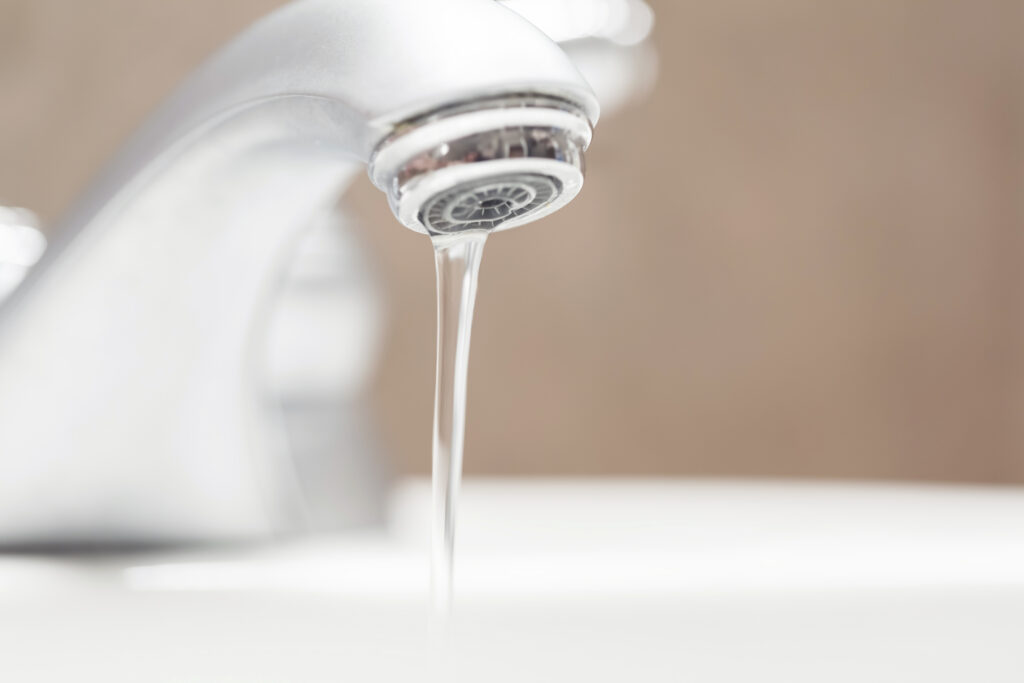
A faucet that drips after you shut it off is already leaking, even if the drip is small. A single dripping faucet can waste thousands of gallons of water each year. That wasted water shows up on your monthly bill and strains your water heater if the leak is on the hot side. Sputtering or spitting water points to air in the line or a failing cartridge. These performance issues rarely fix themselves.
Temperature control problems are another clear warning. If you cannot get consistent hot water, or the water suddenly turns scalding when someone flushes a toilet, the faucet’s pressure balancing valve may be failing. Older single-handle faucets often lose their ability to hold a set temperature. This is both a comfort issue and a safety concern, especially for children and older adults. Replacing the faucet restores safe, predictable water temperature.
Age-Related Signs That You Need to Replace Old Faucets
Faucet age alone is a good reason to consider replacement. Most standard faucets are built to last 15 to 20 years under normal use. Homes with hard water often see faucets fail closer to the 10-year mark. If you do not know how old your faucets are, check for outdated styles, brass tones that have gone out of fashion, or model numbers you can search online. Older faucets also tend to use more water than modern low-flow models.
Rubber and plastic parts inside a faucet break down with time even if the outside still looks fine. Washers harden, O-rings crack, and cartridges develop internal wear. These parts are what keep water inside the faucet where it belongs. Once they fail, water finds its way into places it should not be. A faucet older than 15 years is on borrowed time regardless of how it looks.
Older faucets also lack the efficiency features found in newer models. WaterSense certified faucets use at least 20 percent less water than older models while delivering the same performance. Upgrading an aging faucet can lower your water bill and reduce strain on your water heater. Modern cartridges are also more reliable and easier to service. Need help choosing the right replacement? Click here for our faucet installation service.
The Best Time to Replace Old Faucets in Your Home
Timing your faucet replacement matters more than most homeowners realize. Spring is the ideal season to handle plumbing upgrades because pipes are not under freeze stress and demand for plumbers is steady rather than overwhelmed. Replacing a faucet before it fails gives you time to choose the right fixture instead of rushing to stop a leak. Planned replacements also let you coordinate with other projects like countertop work or cabinet refinishing. Waiting for a failure almost always costs more. A small investment now prevents emergency calls later.
Seasonal Timing to Replace Old Faucets
Spring and early summer are the best months for faucet replacement in Kansas homes. Mild weather means your plumber is not tied up with frozen pipe calls or emergency heating work. You have time to research models, compare finishes, and pick fixtures that match your decor. Contractors can usually schedule faucet work within a few days during this season. The slower pace also means the job gets the attention it deserves.
Fall is another smart time to replace aging faucets before winter arrives. Cold weather puts extra stress on plumbing as pipes contract and water pressure shifts. A worn faucet that has been holding on through summer may finally give out when temperatures drop. Replacing it in October or early November avoids winter emergencies. It also gets the job done before holiday guests start using your bathrooms and kitchen.
Summer is a reasonable time for faucet replacement if you are already doing other home projects. Many homeowners tackle remodels during the warmer months when cabinets, counters, and flooring are already being updated. Swapping faucets during a larger project costs less in labor. It also gives you a fresh, coordinated look across the room. Just avoid scheduling replacement during peak vacation weeks when your plumber’s calendar fills up fast.
Lifecycle Timing to Replace Old Faucets
Track when your faucets were installed and plan replacement around the 15-year mark. Keep a simple home maintenance log with install dates for major fixtures. This helps you budget for upgrades instead of facing surprise repairs. If you bought your home used, assume the faucets are older than they look. A quick inspection by a plumber can give you a realistic age estimate.
Replace faucets during other related plumbing work to save on labor. If you are already upgrading your water heater or installing a water filtration system, adding faucet replacement to the same visit makes sense. The plumber is already on site with tools ready. Bundling work reduces trip charges and total project time. It also ensures all your fixtures are working with the same water quality.
Consider replacing faucets when you upgrade your water pressure or water treatment. New high-efficiency faucets perform best with balanced water pressure. If your home has hard water, a new faucet paired with a softener will last much longer than an old faucet on untreated water. Matching your fixtures to your water conditions extends the life of both. This approach saves money across your entire plumbing system.
Budget Timing to Replace Old Faucets
Plan faucet replacements into your annual home maintenance budget instead of treating them as emergencies. Setting aside a small amount each month for plumbing upgrades prevents financial stress when fixtures fail. Most standard faucet replacements cost far less than water damage repairs. Budget-conscious homeowners replace one or two aging faucets per year rather than waiting for all of them to fail at once. This steady approach keeps your plumbing current and your finances steady.
Tax refund season is a popular time for home plumbing upgrades. Many homeowners use spring refunds to handle deferred maintenance before summer arrives. Faucet replacement is an affordable project that delivers visible results in your kitchen and bathrooms. It also adds resale value if you plan to sell your home. Even a single modern faucet can refresh the look of an entire room.
Watch for seasonal promotions from plumbing suppliers and contractors. Spring and fall often bring discounts on fixtures and installation packages. Financing options also make larger multi-faucet projects easier to handle. DC Electrical HVAC Plumbing, Inc offers financing for plumbing work to help homeowners tackle needed upgrades without delay. Smart timing turns a routine replacement into an easy win for your home.
Why You Need Professional Faucet Replacement Services
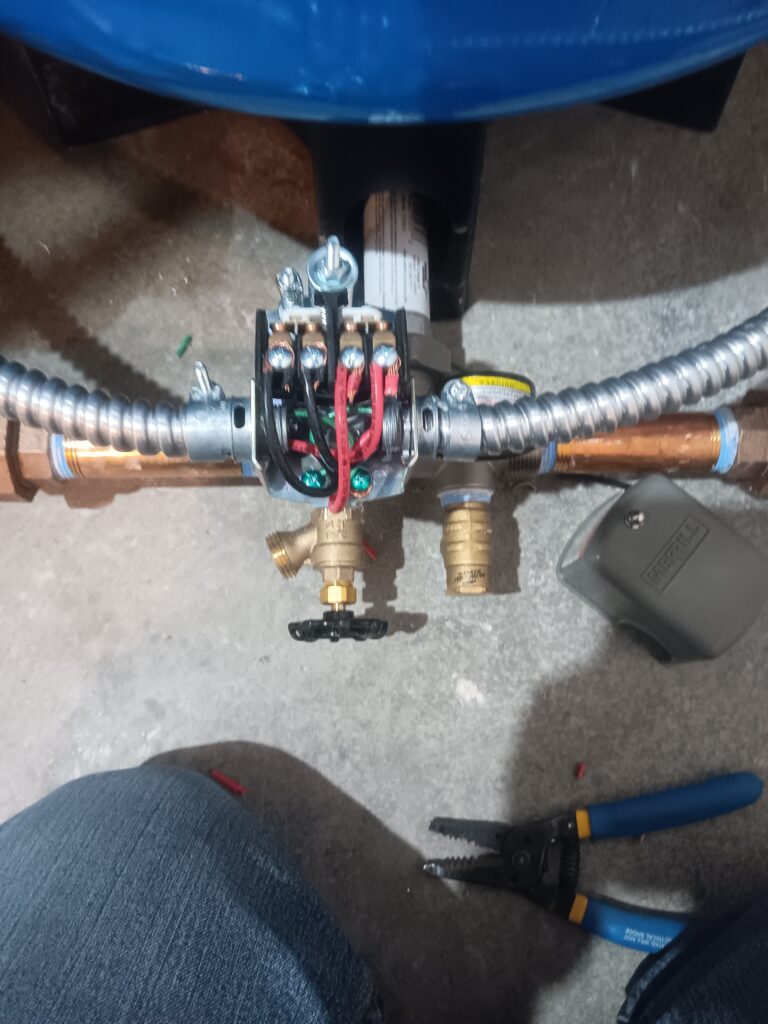
Replacing a faucet looks simple on a video, but real installations often involve surprises. Old shutoff valves seize, supply lines corrode, and mounting hardware fuses to the sink. A professional plumber handles these issues without damaging your countertop or sink. Professional installation also protects your warranty on the new fixture. DIY mistakes can cause leaks that take months to show up, long after the original install.
Expert Diagnosis to Replace Old Faucets Correctly
A licensed plumber evaluates the entire faucet system, not just the visible fixture. They check supply lines, shutoff valves, drain assemblies, and mounting conditions. This full inspection catches problems that would sink a DIY job. Worn shutoff valves, for example, often need replacement at the same time as the faucet. Skipping this step leads to leaks within weeks of install.
Professionals also match faucets to your sink, counter, and plumbing setup. Not every faucet fits every hole pattern. Deck-mount, widespread, centerset, and single-hole faucets each have specific requirements. A plumber helps you avoid buying the wrong style. This saves return trips to the hardware store and prevents installation frustration.
Expert diagnosis includes water quality assessment. Hard water shortens faucet life, and mineral buildup affects performance. A plumber can recommend finishes and cartridge types that resist scale buildup. They may also suggest a whole-home filtration upgrade if buildup is a chronic issue. Ready to schedule an expert inspection? Click here for our faucet repair service.
Professional Installation to Replace Old Faucets Safely
Proper faucet installation protects your home from hidden leaks. A plumber torques connections to the correct specifications, preventing cracked fittings or loose seals. They use the right plumber’s putty, thread tape, and gaskets for each connection point. Every joint gets tested under pressure before the job is done. This attention to detail is what keeps new faucets leak-free for years.
Licensed plumbers follow local plumbing codes during every installation. Code compliance protects your home, your insurance coverage, and future resale value. They also dispose of the old faucet properly and clean up the work area. You do not have to worry about haul-away or cleanup after the job. The finished install looks professional because it is professional.
Safety is another major benefit of professional installation. Shutoff valves, pressure testing, and proper connection to supply lines all require experience. A plumber knows how to spot signs of deeper plumbing issues during the install. If they find corroded pipes or failing valves, they can address them before they cause damage. This proactive approach keeps your entire plumbing system healthy.
Why Choose DC Electrical HVAC Plumbing for Faucet Replacement
DC Electrical HVAC Plumbing, Inc has served Lawrence, KS and the surrounding communities with honest plumbing work for years. Our licensed plumbers handle faucet replacement with the same care they bring to major plumbing projects. We give free estimates on service and installation so you know the cost before work begins. Our team provides honest diagnostics with no sales pressure. You get the facts and the options without a pushy upsell.
We offer financing for plumbing services to make upgrades easier on your budget. Our technicians are OSHA 80 certified and EPA certified, which means your home is in experienced hands. We also provide 24/7 emergency service if a faucet fails outside of regular hours. Our goal is to deliver stellar service every time we visit. That commitment shows in the quality of every install.
Proudly serving Lawrence, KS and surrounding communities, DC Electrical HVAC Plumbing, Inc is ready to help you replace old faucets before they leak. Call us at (785) 596-3963 to schedule an inspection or replacement. You can also email us at info@justcalldc.com with any questions. We treat your home like our own. Let us help you keep your plumbing reliable for years to come.