
How a Whole House Surge Protector Guards Against Summer Storms
Summer storms in Kansas bring more than heavy rain and high winds. Lightning strikes and grid fluctuations send powerful electrical surges through home wiring, damaging electronics, appliances, and HVAC systems in milliseconds. A whole house surge protector acts as the first line of defense, stopping these spikes before they reach sensitive equipment. Homeowners across Lawrence, Topeka, and Lecompton face this threat every storm season, and the cost of a single surge event often exceeds thousands of dollars in replaced equipment. Understanding how surge protection works helps property owners make smart choices before the next thunderstorm rolls in. This guide breaks down the technology, the installation process, and the long-term value of whole house surge protection during summer storm season.
How a Whole House Surge Protector Stops Summer Storm Damage
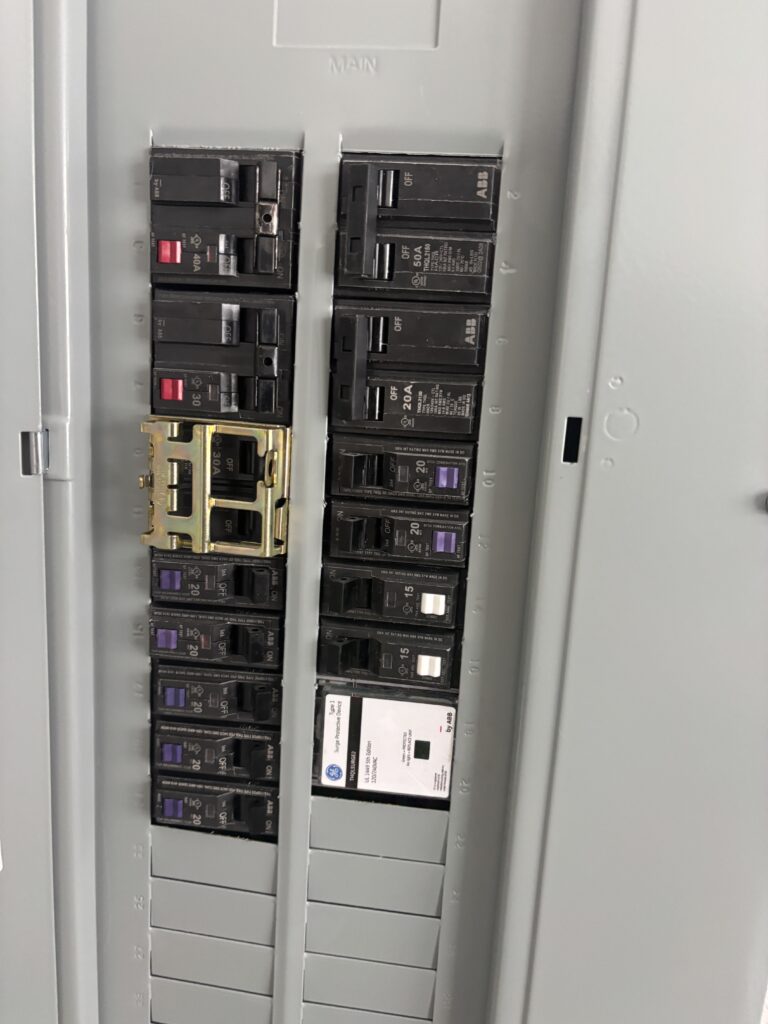
A whole house surge protector installs at the main electrical panel and monitors incoming voltage from the utility line. When voltage spikes above safe levels, the device redirects the excess energy to the ground wire, keeping it away from circuits inside the home. This happens in nanoseconds, faster than any plug-in power strip can react. Summer storms produce both direct lightning strikes and indirect surges from nearby grid disturbances, and both types of events can fry circuit boards, motors, and smart electronics. The protection covers every outlet, light fixture, and hardwired appliance in the house at once. Plug-in protectors only guard what is connected to them, leaving HVAC systems, water heaters, and built-in appliances exposed.
The Whole House Surge Protector Defense Against Summer Storm Lightning
Lightning does not need to strike your home directly to cause damage. A bolt hitting a power line a mile away can send a surge racing through the grid and into every connected building. These transient surges often measure tens of thousands of volts for a brief moment, more than enough to destroy modern electronics. A whole house surge protector clamps the voltage at a safe level, typically around 600 volts or less at the panel, before the energy reaches your wiring. The device uses metal oxide varistors, which conduct electricity only when voltage exceeds a set threshold. This design lets normal power flow through untouched while blocking dangerous spikes.
Direct lightning strikes are rarer but far more destructive. A nearby strike can induce voltage on overhead lines, underground cables, and even phone or cable lines entering the home. Most quality surge protectors handle surges in the 40,000 to 80,000 amp range, which covers the vast majority of storm-related events. For homes in storm-heavy areas like northeast Kansas, layered protection works best. The whole house unit handles the largest surges at the panel, while point-of-use protectors at sensitive electronics catch any residual energy that slips through.
Summer in Kansas brings frequent thunderstorm activity from May through August. The National Weather Service tracks thousands of cloud-to-ground strikes across Douglas, Shawnee, and Johnson counties each season. Without surge protection, every storm carries the risk of a costly electrical event. A whole house surge protector pays for itself the first time it stops a major surge from destroying a furnace control board, refrigerator compressor, or smart thermostat. Need professional surge protection installed before the next storm? Click here for our whole house surge protection service.
The Whole House Surge Protector Defense Against Summer Storm Grid Fluctuations
Not all surges come from lightning. Utility grid switching, downed power lines, and transformer issues create voltage spikes that hit homes daily. Summer storms knock out substations and trigger automatic switching as the grid reroutes power, and each switch sends a small surge through the lines. These smaller events are less dramatic than lightning but happen far more often, slowly degrading electronics over months and years. A whole house surge protector catches these minor surges along with the big ones, extending the lifespan of every device in the home.
Heavy summer power draw also stresses the grid. Air conditioners running across thousands of homes pull massive amounts of current, and when storms cause sudden load changes, the voltage swings can damage equipment. Brownouts, where voltage drops below normal, can be just as harmful as surges for motors and compressors. While surge protectors do not address brownouts directly, they pair well with surge-rated breakers and proper grounding to provide complete electrical protection. A licensed electrician can evaluate the panel and recommend the right combination for your home.
The damage from cumulative small surges often goes unnoticed until a major appliance fails years earlier than expected. Refrigerators, dishwashers, washing machines, and HVAC systems all contain sensitive control boards that wear down with each surge event. Replacing a single furnace control board costs hundreds of dollars, and a fried air conditioner compressor can run several thousand. A whole house surge protector typically costs a fraction of one repair, making it one of the best investments a homeowner can make. The unit works silently in the background, protecting every circuit around the clock.
The Whole House Surge Protector Defense Against Summer Storm Power Outages
Power outages and surges often go hand in hand during summer storms. When the grid comes back online after an outage, the sudden return of power creates a surge as electricity rushes through the system. This restoration surge frequently causes more damage than the storm itself, and many homeowners do not realize the connection. A whole house surge protector intercepts this restoration spike and protects every device in the home from the inrush of voltage. Without protection, the surge hits televisions, computers, HVAC equipment, and kitchen appliances all at the same moment.
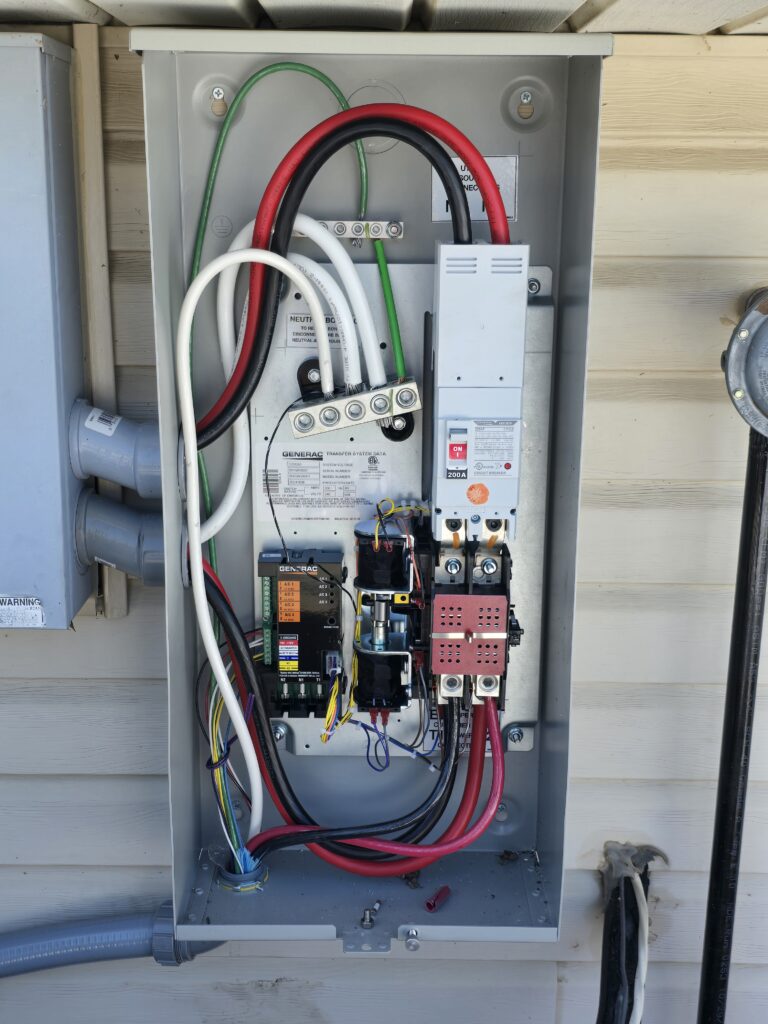
Standby generators add another layer of complexity to summer storm protection. When a generator kicks on during an outage, it provides backup power but can also produce voltage variations as the system stabilizes. A properly installed surge protector works alongside a generator, smoothing out any irregularities and protecting the home from both grid surges and generator-related events. Coordinating these systems requires a licensed electrician who understands transfer switches, panel layouts, and surge ratings.
Many homeowners assume their utility company protects them from major surges, but utility-side protection is limited. The power company guards its equipment, not yours, and surges that pass through the meter become the homeowner’s problem. Adding a whole house surge protector at the main panel takes ownership of that protection and creates a barrier between the grid and your home. The investment is small compared to the cost of replacing damaged equipment, and the peace of mind during severe weather is significant.
What to Expect During a Whole House Surge Protector Installation
Installing a whole house surge protector is a job for a licensed electrician, not a do-it-yourself project. The work involves opening the main electrical panel, where live bus bars carry hundreds of amps of current. A trained electrician shuts off the main breaker, verifies the panel is de-energized, and mounts the surge protection device either inside the panel or in an enclosure mounted directly beside it. The device connects to a dedicated double-pole breaker and to the panel’s ground bus. Proper installation takes about one to two hours for most homes.
The Whole House Surge Protector Installation Process Step by Step
The first step in any surge protector installation is a panel evaluation. The electrician checks the panel size, available breaker space, grounding system, and overall condition of the wiring. Older panels may need upgrades or repairs before a surge device can be installed safely. Federal Pacific, Zinsco, and certain Challenger panels have known safety issues and often require replacement before adding new equipment. The electrician also verifies that the home has a proper grounding electrode system, since surge protection depends on a strong ground path to dump excess voltage safely into the earth.
After the panel inspection, the electrician selects the right surge protector for the home. Type 1 devices install on the line side of the meter and offer the highest protection, while Type 2 devices install on the load side at the main panel and are more common for residential use. The protector should have a surge current rating appropriate for the area, with most quality units rated between 40,000 and 80,000 amps per phase. The clamping voltage, response time, and warranty also matter when choosing a device. A reputable electrician carries trusted brands and explains the differences before installation.
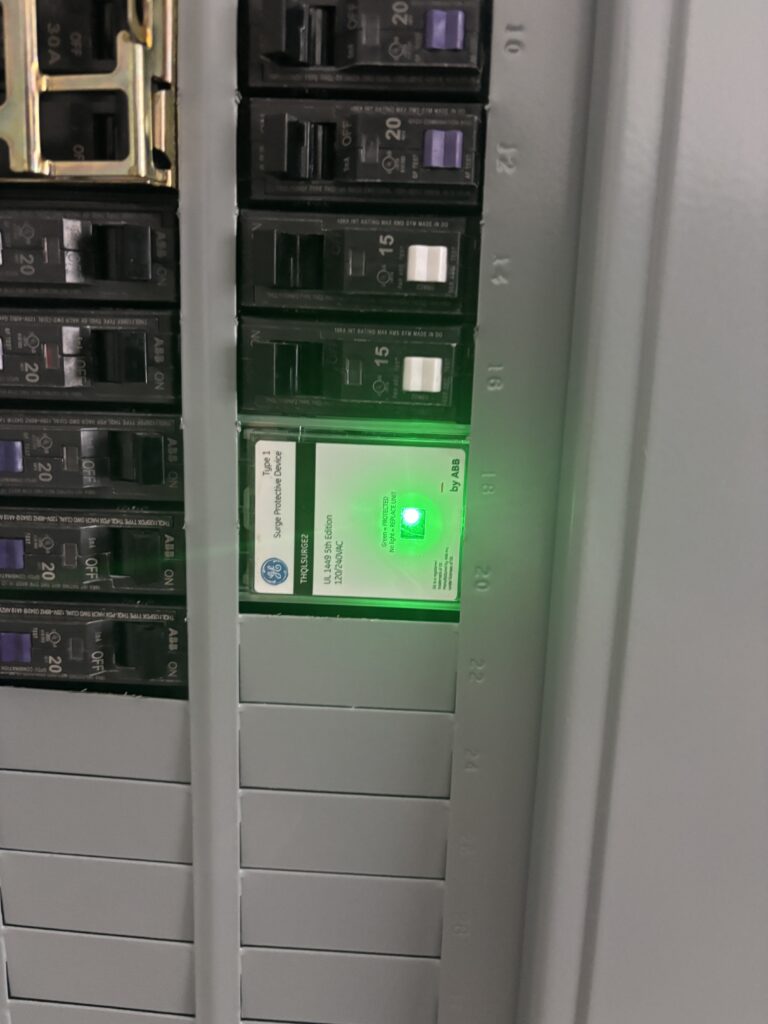
Once the device is selected, the electrician shuts off power, opens the panel, and installs a dedicated breaker for the surge protector. The device wires connect to the breaker and to the ground bar using short, straight runs to minimize impedance. Long, looped wires reduce surge protector effectiveness, so neat installation matters. The electrician then restores power, verifies the indicator light shows active protection, and tests the system. The whole process is clean, fast, and creates no mess in the home.
The Whole House Surge Protector Installation Cost and Value Breakdown
The cost of a whole house surge protector installation varies based on the device chosen and the condition of the existing panel. A standard Type 2 installation in a modern panel typically falls in a moderate price range, while older panels or homes needing additional grounding work cost more. The device itself accounts for part of the total, with labor making up the rest. Most installations are completed in a single visit, and the cost is far lower than the value of the equipment being protected.
Insurance companies recognize the value of whole house surge protection, and some offer discounts for homes with installed devices. Even without a discount, the protection prevents the kind of large claims that can raise premiums after a major surge event. Filing a claim for a fried HVAC system or destroyed electronics is a stressful process, and the deductible alone often costs more than the surge protector. Avoiding the claim entirely is the better outcome, and surge protection makes that possible.
The value extends beyond replacement costs. Time spent shopping for new appliances, waiting for repairs, and dealing with damaged electronics adds up quickly. A whole house surge protector keeps daily life running smoothly through storm season. Need help choosing the right protection for your panel? Click here for our electrical panel installation service. An expert electrician can walk through the options and recommend the right setup for your home.
The Whole House Surge Protector Installation Maintenance Requirements
Whole house surge protectors are largely maintenance-free, but they do require occasional attention. Most quality devices include an indicator light or LED display showing active protection. A green light means the device is working, while a red light or dark indicator signals the unit has absorbed too many surges and needs replacement. Homeowners should glance at the indicator a few times a year, especially after major storms. A quick visual check takes seconds and confirms the home is still protected.
Surge protectors have a finite life. Each surge event uses up some of the device’s protective capacity, and after enough events or one major strike, the unit reaches the end of its useful life. Quality devices last many years under normal conditions, but storm-heavy areas or homes near sensitive grid equipment may see shorter lifespans. The good news is that replacement is straightforward; the existing breaker stays in place, and a new device installs in the same spot.
Annual electrical inspections include checking the surge protector along with the rest of the panel. An electrician can verify the device is functioning, look for signs of corrosion or loose connections, and recommend replacement if needed. Pairing surge protection with regular panel maintenance keeps the entire electrical system in top shape. The combination of good equipment and routine care delivers reliable protection for many years.
Why You Need Whole House Surge Protection Before the Next Summer Storm
Waiting until after a storm causes damage is the most expensive way to learn about surge protection. Once a surge has passed through the home, the damage is done, and the cost of replacing electronics and appliances falls entirely on the homeowner. Installing a whole house surge protector before storm season puts the protection in place when it is needed most. The peace of mind during severe weather is worth the small upfront investment, and the long-term savings on equipment replacement make it a smart financial decision.
Whole House Surge Protection Saves Money on Storm Damage
Replacing damaged electronics after a surge is rarely covered fully by homeowners insurance. Most policies have caps on electronic equipment, deductibles that eat into payouts, and limits on what counts as covered damage. A surge that destroys a refrigerator, HVAC system, smart TV, and home office setup can easily run into many thousands of dollars. The surge protector itself costs far less and prevents the entire scenario. Smart homeowners think about prevention, not recovery, when it comes to electrical protection.
Beyond the obvious electronics, modern homes contain countless devices vulnerable to surges. LED light fixtures, smart thermostats, security systems, garage door openers, and even doorbell transformers all use circuit boards that fail when hit with excess voltage. A single surge event can quietly damage multiple devices, with failures showing up days or weeks later. The whole house surge protector stops the damage at the panel, keeping every connected device safe at once. Comprehensive protection is the only way to handle the wide range of vulnerable equipment in a typical home.
The total cost of an uncovered surge often surprises homeowners. Replacing items, paying for service calls, and dealing with insurance claims adds up quickly. A whole house surge protector represents a one-time cost that protects the home for years. Compared to the alternative, the value is clear, and the choice becomes simple for any homeowner who has lived through a damaging storm.
Whole House Surge Protection Extends Equipment Lifespan
Even when surges do not cause immediate failure, repeated small spikes wear down electronics over time. Each surge stresses circuit boards, power supplies, and motor controls, slowly reducing their useful life. Appliances and HVAC equipment that should last fifteen years may fail at ten in homes without surge protection. The cumulative effect is often invisible until the equipment dies prematurely, leaving the homeowner wondering why their refrigerator or air conditioner gave out so soon.
Surge protection slows this degradation by clamping minor spikes before they reach equipment. The result is longer-lasting appliances, fewer repair calls, and lower lifetime costs. HVAC systems benefit especially, since modern furnaces, heat pumps, and air conditioners contain expensive control boards and variable speed motors that suffer from voltage irregularities. Protecting these systems with whole house surge protection adds years to their service life.
The financial math favors surge protection in nearly every case. A small upfront cost prevents many small failures and one or two large failures over the life of the home. Homeowners who calculate the value across a decade or more find that surge protection pays for itself many times over. Need expert installation in your area? Click here for our electrical service repair page. DC Electrical HVAC Plumbing, Inc serves homeowners across Lawrence, Topeka, and the surrounding communities.
Why Choose DC Electrical HVAC Plumbing, Inc for Whole House Surge Protection
DC Electrical HVAC Plumbing, Inc has served northeast Kansas with quality electrical work for years. Our licensed electricians handle whole house surge protector installations safely and efficiently, with attention to grounding, panel condition, and code compliance. We carry trusted brands of surge protection equipment and stand behind every installation we complete. The team understands the unique storm patterns of the region and recommends protection levels matched to local conditions.
Honest diagnostics with no sales pressure is part of how we do business. When a customer calls about surge protection, our electricians evaluate the panel, explain the options, and provide a clear quote. There is no upselling, no scare tactics, just straight information about what the home needs. Free estimates on service and installation make it easy to get started, and financing is available for larger electrical projects. Customers across Lawrence, Lecompton, Topeka, Olathe, and surrounding towns trust DC for reliable service.
Twenty-four hour emergency service is available when storms cause damage or electrical issues need immediate attention. The team is OSHA 80 certified and EPA certified, with the training and experience to handle complex electrical work safely. Call (785) 596-3963 to schedule a whole house surge protector installation or to ask about any other electrical service. Protect your home before the next summer storm and enjoy peace of mind through every thunderstorm season.