
Why Your Walk In Cooler Struggles During Kansas Summers
Kansas summers bring intense heat, high humidity, and long stretches of triple-digit temperatures that put serious strain on commercial refrigeration. Restaurants, grocery stores, florists, and other businesses across Lawrence, Topeka, Olathe, and surrounding communities depend on their walk in coolers to protect inventory worth thousands of dollars. When the outdoor temperature climbs, your walk in cooler works harder than at any other time of year. Many units that performed flawlessly in spring begin showing weakness once July arrives. Understanding why this happens helps you prevent costly food loss and emergency service calls. The team at DC Electrical HVAC Plumbing, Inc has spent years diagnosing summer cooler failures across Kansas; the patterns are predictable and often preventable.
How Kansas Summer Heat Affects Walk In Cooler Performance
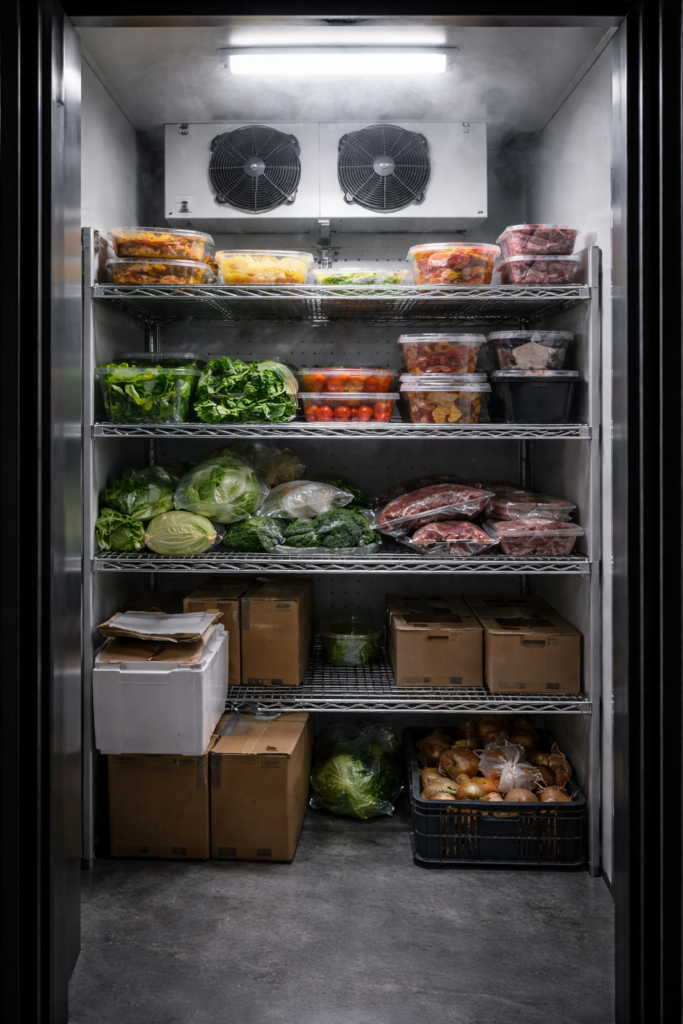
Walk in coolers are designed to maintain interior temperatures between 35 and 41 degrees Fahrenheit, but the surrounding environment plays a huge role in how well the system performs. When ambient temperatures outside the cooler reach 95 degrees or higher, the equipment must work significantly harder to reject heat. Kansas humidity makes the situation worse because moist air carries more heat energy than dry air. Compressors run longer cycles, condensers struggle to dissipate heat, and door seals face constant thermal stress. Even a perfectly maintained walk in cooler will see efficiency drop during peak summer weeks. Knowing what changes inside the system gives you a head start on protecting your investment.
Kansas Summer Heat and Walk In Cooler Compressor Strain
The compressor is the heart of any walk in cooler, and summer heat punishes it more than any other component. During hot weather, the refrigerant absorbs heat from inside the cooler and carries it to the condenser, where that heat must be released into the outdoor air. When outdoor temperatures climb into the 90s and 100s, the temperature difference shrinks, making heat rejection much harder. The compressor responds by running longer cycles and pulling more amperage. Over weeks of constant strain, internal components wear faster, oil breaks down more quickly, and electrical windings face higher operating temperatures. Compressor failures spike across Kansas every July and August for exactly this reason.
A walk in cooler compressor that runs nonstop is also a sign that something else may be wrong. Low refrigerant charge, dirty condenser coils, or failing fan motors all force the compressor to compensate. Many business owners assume long run times are normal during summer, but a properly sized and maintained system should still cycle off periodically even on hot days. If your compressor never seems to rest, the unit is likely operating under stress that will lead to a breakdown. Catching these warning signs early saves you from emergency repair bills and lost product. A trained refrigeration technician can measure superheat, subcooling, and amp draw to confirm whether your compressor is healthy.
Compressor protection during Kansas summers comes down to airflow, cleanliness, and proper refrigerant levels. Outdoor condensing units need clear space around them, free from weeds, fencing, and stored equipment. Indoor compressor rooms need adequate ventilation so heat can escape rather than recirculate around the equipment. Annual refrigeration service should include a thorough cleaning of coils, inspection of contactors, and verification of refrigerant charge. Need walk in cooler service before the next heat wave? Click here for our walk in cooler service. Prevention costs far less than replacing a burned-out compressor at the peak of summer.
Kansas Summer Heat and Walk In Cooler Condenser Coil Issues
Condenser coils are the most overlooked part of any walk in cooler, and they take the heaviest beating during Kansas summers. These coils release the heat that the refrigerant pulled out of the cooler interior. Dust, grease, cottonwood fluff, pollen, and kitchen debris coat the coil fins and act like an insulating blanket. A coil that looks only mildly dirty can lose 30 percent or more of its heat transfer capacity. When that happens, head pressure rises, the compressor works harder, and interior temperatures begin to climb. Restaurants in particular see fast coil contamination because cooking grease becomes airborne and settles on every nearby surface.
Outdoor condenser units face their own set of summer challenges. Lawrence and Topeka properties often have condensers tucked next to buildings, behind dumpsters, or under decks where airflow is restricted. Direct afternoon sunlight on the condenser raises operating temperatures dramatically. Storms can pack debris into the coil fins, and lawn care activities blow grass clippings directly into the equipment. Each obstruction reduces airflow and forces the system to work harder. By August, many neglected condensers are barely functioning even when the equipment itself is mechanically sound.
Cleaning condenser coils requires more than a quick spray with a garden hose. Proper service involves shutting power, applying a refrigeration-safe coil cleaner, and rinsing in the correct direction without bending the delicate fins. Bent fins reduce airflow permanently and require careful straightening with a fin comb. DC Electrical HVAC Plumbing, Inc recommends professional coil cleaning at least once before summer arrives and again in late summer for high-grease environments. This single service often restores cooler performance dramatically. Clean coils mean lower energy bills, longer compressor life, and stable interior temperatures even on the hottest Kansas days.
Kansas Summer Heat and Walk In Cooler Door Seal Failures
Door gaskets are the unsung heroes of every walk in cooler, and Kansas summer humidity exposes their weaknesses fast. A worn or damaged gasket allows warm, moist outdoor air to leak into the cooler around the clock. Each time that happens, moisture condenses on cold surfaces, ice builds up on the evaporator, and the system runs longer to compensate. You may notice frost forming around the door frame, water pooling on the floor near the entrance, or ice buildup on product near the door. These are classic signs that your seal is no longer doing its job.
Summer heat accelerates gasket deterioration because the rubber compounds soften, stretch, and lose elasticity. Repeated door slams, heavy traffic during busy service hours, and pallet jacks bumping the frame all contribute to wear. Hinges sag under the weight of insulated doors, causing misalignment that prevents the gasket from sealing tightly. Door closers that no longer pull the door fully shut leave gaps that bleed cold air constantly. A walk in cooler with bad seals can lose hundreds of dollars in electricity and product every month without the owner realizing why.
Inspecting door seals takes only a few minutes and should be part of your weekly routine. Close the door on a dollar bill and try to pull it out; significant resistance means the seal is holding, while easy removal indicates a problem. Look for cracks, tears, hardened spots, or compressed sections that no longer spring back. Check that the door swings freely, latches firmly, and self-closes properly. Replacing gaskets is one of the most cost-effective refrigeration repairs available and pays for itself quickly through reduced energy use. Kansas summers make seal maintenance more important than at any other time of year.
Common Walk In Cooler Problems During Kansas Summer Heat Waves
Beyond compressor strain and coil contamination, several specific failure modes appear repeatedly during Kansas summers. Heat waves often last a week or more, and equipment that was already operating near its limits finally gives up. Power surges from summer storms add another layer of risk to sensitive refrigeration controls. Restaurants and food service operations face the highest stakes because product loss can shut down a business overnight. Recognizing the warning signs early lets you act before a small issue becomes a catastrophic failure. The following problems show up consistently in service calls across our Kansas service area.
Common Walk In Cooler Refrigerant Issues During Kansas Summers
Refrigerant problems become obvious during Kansas summers because the system has no margin for error. A walk in cooler that limped through spring with a slightly low charge cannot keep up once outdoor temperatures spike. Symptoms include longer run times, warmer interior temperatures, ice buildup on the evaporator coil, and unusual hissing sounds near connections. Low refrigerant always indicates a leak somewhere in the system because refrigerant does not get consumed during normal operation. Common leak points include flare fittings, schrader valves, evaporator coil hairpins, and condenser u-bends.
Refrigerant leaks require professional diagnosis using electronic leak detectors, ultraviolet dye, or nitrogen pressure testing. Simply adding more refrigerant without finding the leak is a temporary fix that wastes money and harms the environment. EPA regulations also require proper recovery and recordkeeping for refrigerant work, which is why DC Electrical HVAC Plumbing, Inc maintains EPA certification across our refrigeration team. Once the leak is located and repaired, the system needs to be evacuated to remove moisture and air before being recharged to manufacturer specifications. Proper repair restores efficiency and protects the compressor from damage.
Overcharged systems cause their own set of summer problems and are surprisingly common. Well-meaning service from unqualified technicians often results in too much refrigerant in the system. Overcharging raises head pressure, increases compressor amperage, and can flood the compressor with liquid refrigerant during off cycles. The result is reduced cooling capacity and shortened equipment life. Accurate charging requires measuring superheat and subcooling, not just watching pressure gauges. Want professional refrigeration service before summer hits hardest? Click here for our walk in cooler service.
Common Walk In Cooler Electrical Failures During Kansas Summers
Electrical components fail at much higher rates during Kansas summer heat waves. Contactors, capacitors, and relays all operate at elevated temperatures that shorten their service life. Capacitors in particular tend to fail when ambient temperatures stay high for extended periods. A failed start capacitor prevents the compressor from starting, while a failed run capacitor causes the motor to overheat and trip on thermal overload. Either failure stops the cooler completely until parts can be sourced and installed. During heat waves, parts demand spikes and lead times can stretch into days.
Summer storms bring power surges that damage walk in cooler control boards, defrost timers, and digital thermostats. A nearby lightning strike can send voltage spikes through the building electrical system that fry sensitive electronics in an instant. Brownouts during peak demand periods are equally damaging because low voltage causes motors to draw excessive current. Whole-building surge protection and dedicated circuits for refrigeration equipment greatly reduce these risks. DC Electrical HVAC Plumbing, Inc handles both the refrigeration and electrical sides of these problems, which speeds up diagnosis and repair.
Loose electrical connections are another common summer failure point. Vibration over time causes wire nuts, terminal screws, and contactor lugs to loosen slightly. Heat causes metal to expand and contract, accelerating the process. A loose connection generates resistance, which generates heat, which accelerates further loosening in a destructive cycle. The result is melted insulation, burned terminals, and sometimes complete component failure. Annual electrical inspection of refrigeration equipment catches these issues before they cause damage. Tightening connections and applying anti-oxidation compound takes minutes but prevents major failures.
Common Walk In Cooler Drainage Problems During Kansas Summers
Condensate drainage issues multiply during Kansas summer humidity. The evaporator coil pulls moisture out of the cooler air, and that water has to go somewhere. Drain lines clog with debris, biological growth, and mineral deposits over time. Once a drain backs up, water pools in the drain pan, overflows into the cooler, and freezes on the coil. The frozen coil cannot transfer heat properly, the cooler warms up, and the cycle of melting and refreezing creates a mess on the floor. Customers and inspectors notice water on the floor immediately.
Drain line heaters are essential in walk in coolers because the drain line passes through the cold cooler interior. Without a heater, the line freezes solid and water has nowhere to go. Heater failures are common after years of operation, and they often go unnoticed until summer humidity overwhelms the system. Replacing a drain line heater is straightforward for a qualified technician and prevents recurring water problems. Routine inspection of the heater circuit during annual service catches degraded units before they fail completely.
Proper drain line slope, trap configuration, and termination matter just as much as a working heater. Drain lines must slope continuously downward to allow gravity flow. Traps prevent warm air from being pulled back into the cooler through the drain. Termination points must be free from obstructions and protected from freezing during winter. Many older Kansas walk in coolers have drainage systems that were installed quickly and never optimized. A professional refrigeration assessment can identify drainage problems and recommend permanent fixes that eliminate summer headaches for good.
Why You Need Professional Walk In Cooler Service Before Kansas Summer Peaks
Waiting until your walk in cooler fails during a July heat wave is the most expensive way to handle refrigeration. Emergency service calls cost more, replacement parts may not be available, and product loss adds up by the hour. Preventative service before summer arrives identifies weak components, restores efficiency, and gives you confidence through the hottest months. Kansas businesses that schedule annual refrigeration maintenance experience far fewer summer breakdowns. DC Electrical HVAC Plumbing, Inc serves Lawrence, Topeka, Olathe, Overland Park, Lenexa, Shawnee, and the surrounding communities with full-service refrigeration support. Our team brings electrical, refrigeration, and HVAC expertise to every service call.
Walk In Cooler Service Saves Kansas Businesses Money
Preventative walk in cooler service pays for itself many times over through energy savings alone. Dirty coils, low refrigerant, and worn components all cause the system to run longer and draw more electricity. A neglected cooler can use 30 to 50 percent more energy than a properly maintained one. Over a hot Kansas summer, that translates into hundreds of dollars in unnecessary utility costs. Professional service restores efficiency and pays back the investment quickly. Energy savings continue month after month long after the service visit ends.
Avoiding product loss is the bigger financial win for most Kansas businesses. A single walk in cooler failure during a busy weekend can ruin thousands of dollars in inventory. Restaurants face health code requirements that force them to discard food once temperatures exceed safe limits for too long. Grocery stores, florists, and food distributors face similar exposure. Insurance may cover some losses, but deductibles, lost sales, and customer disappointment never fully recover. Preventative service is cheap insurance against catastrophic loss.
Equipment lifespan extension is the long-term financial benefit of regular service. A walk in cooler compressor can last 15 to 20 years with proper care or fail in 7 to 10 years with neglect. Replacement compressors cost thousands of dollars, and complete unit replacements run much higher. Regular service catches small problems before they damage major components. Kansas businesses that invest in maintenance get more years out of their refrigeration equipment and avoid surprise capital expenses.
Walk In Cooler Service Keeps Kansas Businesses Compliant
Health department inspections require walk in coolers to maintain proper temperatures consistently. Inspectors check temperature logs, observe equipment condition, and may pull product temperatures during visits. A cooler that struggles to hold temperature creates compliance risk that no business owner wants. Documented preventative service shows inspectors that you take food safety seriously. This documentation can also help during insurance claims if something does go wrong.
EPA regulations govern refrigerant handling, leak repair, and recordkeeping for commercial refrigeration. Businesses that ignore these requirements face significant fines and potential legal exposure. Working with EPA-certified technicians like the team at DC Electrical HVAC Plumbing, Inc ensures all work meets federal requirements. Proper documentation of refrigerant additions, leak repairs, and equipment changes protects your business from regulatory problems. This is one area where cutting corners simply is not worth the risk.
OSHA workplace safety requirements also apply to walk in cooler areas. Wet floors from drainage problems create slip hazards. Damaged door hardware creates pinch and crush risks. Faulty electrical components create shock and fire risks. Annual professional service identifies these hazards and corrects them before someone gets hurt. A safe workplace protects employees, reduces workers compensation claims, and demonstrates responsible business practices.
Why Choose DC Electrical HVAC Plumbing, Inc for Walk In Cooler Service in Kansas
DC Electrical HVAC Plumbing, Inc brings a unique advantage to Kansas businesses by combining refrigeration, electrical, and HVAC expertise under one roof. Walk in cooler problems often involve more than just refrigeration components, and having one team that handles all aspects of the system speeds up diagnosis and repair. Our technicians hold OSHA 80 certification and EPA certification, ensuring every service call meets professional standards. We serve businesses across Lawrence, Topeka, Olathe, and the surrounding Kansas communities with reliable, thorough service.
Honest diagnostics with no sales pressure set our team apart from many refrigeration companies. We tell you exactly what your equipment needs and what it does not need. Free estimates on service and installation give you clear pricing before any work begins. Financing options make larger repairs and replacements manageable for businesses of any size. Our 24/7 emergency service availability means help is always one phone call away when summer heat causes unexpected problems.
Years of experience servicing walk in coolers across Kansas has taught our team what works and what fails in our specific climate. We know which components struggle during local heat waves, which brands hold up best, and which installation practices prevent recurring problems. Need walk in cooler service for your Kansas business? Call DC Electrical HVAC Plumbing, Inc at (785) 596-3963 or visit our walk in cooler service page to schedule professional refrigeration service before the next heat wave hits.