
How to Get Your Furnace Ready Before the First Cold Snap
The first cold snap in Kansas never sends a warning. Temperatures can drop from mild to freezing overnight, and your furnace needs to be ready the moment you flip the switch. Homeowners in Lawrence, Topeka, and the surrounding communities who prepare their furnace in late summer and early fall avoid the rush of emergency calls that hits every heating company once the cold arrives. A furnace that sat idle all summer collects dust, loses lubrication, and can develop hidden problems you will not notice until it fails to start. Getting ahead of the season means lower energy bills, safer operation, and a warm house on the first freezing night. It also means you can schedule service on your terms instead of waiting in line during a cold weather emergency. This guide walks you through the steps you can do yourself and the signs that tell you to call a professional. A little preparation now saves a lot of stress later.
Furnace Maintenance Steps to Complete Before the First Cold Snap
Furnace maintenance before the first cold snap starts with simple tasks that any homeowner can handle. Replacing the filter, testing the thermostat, and clearing the space around the unit take less than an hour combined. These small steps improve airflow, reduce strain on the blower motor, and help the system reach temperature faster. Skipping them forces your furnace to work harder, which raises your energy bills and shortens the life of key components. Fall is the right time to do this work because you can catch problems while the weather is still comfortable. You also give yourself time to schedule repairs before technicians get booked solid. Need a full furnace tuneup from a licensed technician? Click here for our furnace services. The three steps below cover the most important maintenance items every homeowner should finish before cold weather hits.
Replace the Furnace Filter Before the First Cold Snap
The furnace filter is the single most important maintenance item on your entire heating system. A clogged filter restricts airflow, and restricted airflow is the leading cause of furnace breakdowns during the first weeks of the heating season. When air cannot move freely through the system, the heat exchanger can overheat and trip the high limit switch, shutting the furnace down. Repeated overheating can crack the heat exchanger, which is a serious safety hazard and an expensive repair. Filters that sat in place all summer collected dust, pet hair, and pollen even while the furnace was off. Check the filter size printed on the frame and buy the correct replacement before you need it. Most standard one inch filters should be replaced every one to three months during the heating season. A fresh filter costs a few dollars and protects a system worth thousands.
Installing the filter correctly matters just as much as replacing it. Every filter has an airflow arrow printed on the frame, and that arrow must point toward the furnace, in the direction the air travels. A backwards filter loads up with debris faster and can collapse into the blower compartment. Make sure the filter fits snugly in the slot with no gaps around the edges. Gaps let unfiltered air bypass the filter and coat the blower wheel and evaporator coil with dust. A dirty blower wheel moves less air and draws more electricity, which shows up on your utility bill all winter. Take a moment to vacuum out the filter slot before sliding the new one in. Write the installation date on the filter frame so you know when the next change is due.
Filter quality is worth a quick decision before winter. Filters carry a MERV rating, and higher numbers capture smaller particles. Most residential furnaces run well on filters rated MERV 8 through 11. Very high MERV filters can restrict airflow on systems that were not designed for them, so check your furnace manual before upgrading. Households with pets, allergies, or nearby gravel roads should change filters more often, not less. Buy a multipack in the fall so you never skip a change because the store was out of stock. Set a reminder on your phone for the first of every month to check the filter. This one habit prevents more winter furnace failures than any other maintenance task.
Test Your Furnace Thermostat Before the First Cold Snap
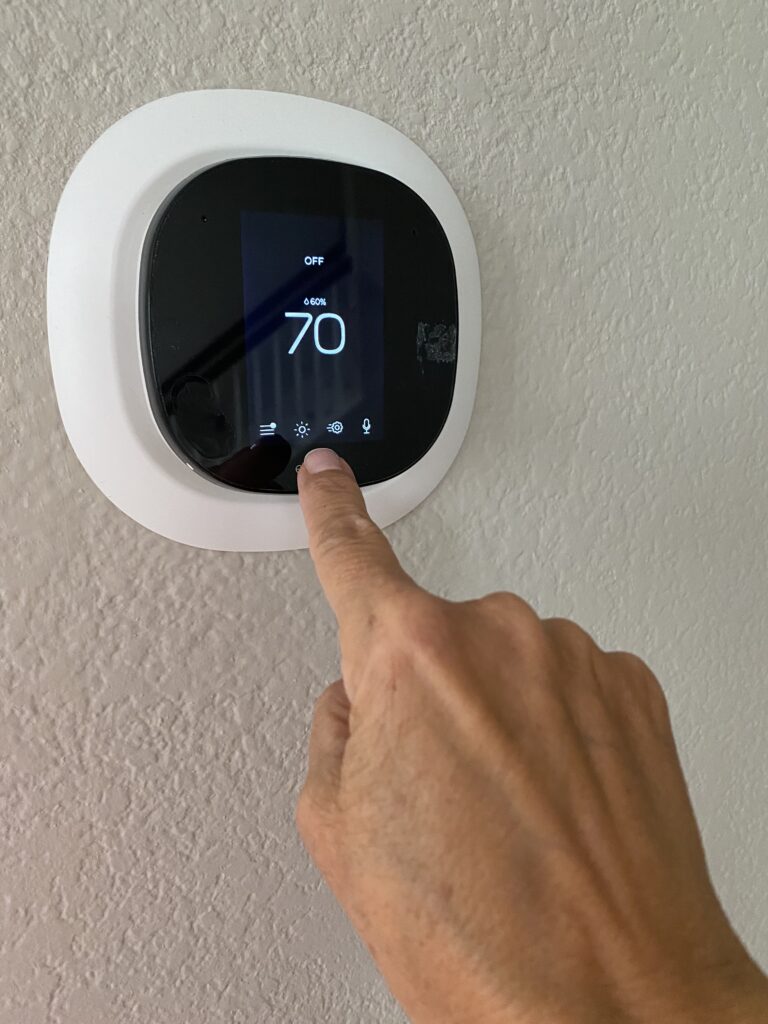
Your thermostat is the brain of your heating system, and it deserves a test run before the first cold snap. Switch the thermostat from cool to heat mode, then raise the set temperature a few degrees above the current room temperature. The furnace should start within a few minutes, and warm air should flow from the vents shortly after. A furnace that does not respond may have a thermostat problem, a wiring issue, or a control board fault. Testing in September or October gives you time to diagnose the problem without your family shivering through the process. Listen for the sequence of startup sounds: the inducer fan, the ignition, and then the main blower. Any grinding, clicking without ignition, or repeated startup attempts point to a problem worth investigating. Run the furnace for a full ten minutes to confirm it keeps heating without shutting down.
Thermostat batteries fail at the worst possible time, so replace them every fall. Many digital thermostats run on AA or AAA batteries, and a dead battery leaves the screen blank and the furnace silent. Some homeowners replace batteries in their smoke detectors each fall and never think about the thermostat. Add it to the same routine. While you have the cover off, check that the thermostat sits level and firmly mounted to the wall. Loose wiring behind the thermostat can cause intermittent heating that is hard to diagnose. Dust inside the thermostat housing can also affect temperature readings, so blow it out gently. An inaccurate thermostat makes the furnace run longer than needed and wastes money every single day of winter.
Fall is also the perfect time to upgrade an old thermostat. A programmable or smart thermostat can cut heating costs by lowering the temperature automatically while you sleep or work. The Department of Energy estimates savings of up to ten percent a year from setting temperatures back seven to ten degrees for eight hours a day. Smart models learn your schedule and adjust on their own, which removes the guesswork. Older mercury thermostats are far less accurate than modern digital units and should be replaced. Installation involves low voltage wiring that must match your specific furnace, so professional installation prevents damage to the control board. Want an accurate, money saving thermostat installed before winter? Click here for our thermostat services. It is one of the fastest payback upgrades in home heating.
Clear the Area Around Your Furnace Before the First Cold Snap
The space around your furnace matters more than most homeowners realize. Over the summer, basements and utility closets tend to fill up with storage boxes, paint cans, holiday decorations, and cleaning supplies. Your furnace needs clear space on all sides for safe combustion, proper airflow, and technician access. Manufacturers generally recommend keeping at least three feet of clearance around the unit. Flammable items like paint thinner, gasoline, aerosol cans, and cardboard should never be stored near a gas furnace. The burner assembly produces an open flame, and fumes from stored chemicals can ignite. Clutter also blocks the combustion air the furnace needs to burn fuel cleanly. Take thirty minutes this fall to move everything away from the furnace and create a safe work zone.
Check the vents and air intakes while you are clearing the area. High efficiency furnaces vent through PVC pipes that exit through an exterior wall, and those pipes can become blocked by leaves, nests, or debris. A blocked exhaust vent can cause the furnace to shut down or, worse, push combustion gases back into the home. Walk outside and confirm both the intake and exhaust pipes are open and unobstructed. Inside the house, make sure furniture, rugs, and curtains are not covering supply registers or return air grilles. Blocked returns starve the furnace of air and cause the same overheating problems as a dirty filter. Open at least eighty percent of your supply registers so the system maintains proper pressure. Closing too many vents does not save money; it strains the blower and can damage the heat exchanger.
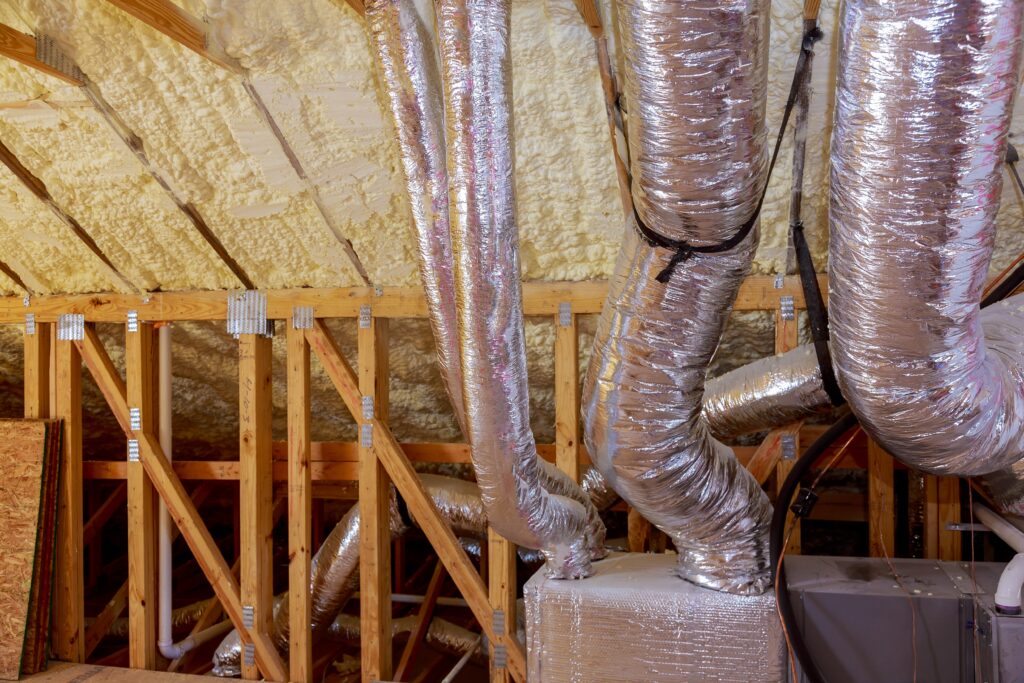
Your ductwork deserves attention before the heating season too. Leaky ducts can lose twenty to thirty percent of the heated air your furnace produces, according to Energy Star. That lost air heats your crawlspace or attic instead of your living room. Look for disconnected duct sections, crushed flex duct, and visible gaps at joints in accessible areas. Dust streaks around duct seams often reveal air leaks you cannot feel. Sealing ducts with mastic or foil tape keeps the warm air where it belongs. Dirty ducts also circulate dust and allergens every time the blower runs. Concerned about leaks or buildup in your ductwork? Click here for our air duct services.
Signs Your Furnace Needs Professional Repair Before Winter
Some furnace problems go beyond filters and thermostats, and catching them in the fall prevents a midwinter breakdown. Your furnace communicates through sounds, smells, and performance changes, and those signals get louder as parts wear out. Ignoring early warning signs almost always leads to a bigger repair bill later. A cracked heat exchanger, a failing blower motor, or a faulty ignition system will not fix itself. Fall test runs give you the chance to notice these symptoms while repair schedules are still open. Kansas winters put furnaces through hundreds of heating cycles, and weak components fail under that load. The three warning signs below are the most common reasons homeowners call for furnace repair. Knowing what they mean helps you act before the first cold snap turns a small problem into an emergency.
Strange Furnace Noises Mean Your Furnace Needs Professional Repair
A healthy furnace makes a steady, low hum when running. Anything louder or stranger deserves attention before winter arrives. Banging or booming at startup often means delayed ignition, where gas builds up in the burner chamber before lighting. Those small explosions stress the heat exchanger and can crack it over time. Scraping or grinding sounds usually point to a blower wheel that has come loose from its motor shaft or worn bearings inside the motor. A loose blower wheel can destroy itself and the housing around it if the furnace keeps running. Squealing often signals a worn belt or a motor bearing that needs lubrication. None of these sounds improve on their own, and every heating cycle makes the damage worse.
Rattling and vibrating noises have their own set of causes worth diagnosing. Loose panels and screws create harmless rattles that a technician can fix in minutes. Rattling from inside the cabinet, however, can indicate a failing inducer motor or a heat exchanger problem. Clicking that repeats without the furnace lighting points to an ignition system failure, often a dirty flame sensor or a failing hot surface igniter. A flame sensor coated in residue cannot confirm the burner is lit, so the control board shuts gas off as a safety measure. This produces a furnace that starts, runs briefly, and shuts down again. These parts are inexpensive to service in the fall. The same repair during a January cold snap comes with a long wait and an uncomfortable house.
The most serious noise is a boom combined with a smell of gas or aldehydes, which requires immediate professional help. Shut the furnace off and call a licensed technician if you notice this combination. Homeowners should never open the burner compartment or attempt gas repairs themselves. Gas furnace repair involves combustion testing, gas pressure measurement, and safety verification that require specialized tools and training. A licensed technician can trace a noise to its source and fix the root cause instead of masking the symptom. Fall diagnostic visits are quick, affordable, and calm compared to emergency winter calls. Document when the noise happens, at startup, during operation, or at shutdown, because that detail speeds up diagnosis. Your ears are the best early warning system your furnace has.
Weak Airflow Is a Sign Your Furnace Needs Professional Repair
Weak airflow from your vents means your furnace is producing heat that never reaches your rooms. Hold your hand over a supply register during a test run and note the strength of the air. Airflow that feels weaker than last season points to a problem somewhere in the system. A dirty filter is the first suspect, but a fresh filter with continued weak flow signals something deeper. Failing blower motors lose speed as capacitors weaken and bearings wear. A blower capacitor is a cheap part, but a burned out blower motor is a major repair. Duct blockages, crushed flex duct, and closed dampers also choke airflow to specific rooms. Weak airflow forces longer run times, which drives up gas and electric bills all winter.
Uneven heating between rooms is a related symptom worth investigating in the fall. One cold bedroom at the end of a duct run often reveals a duct leak or an undersized branch line. Rooms above garages and rooms with large windows lose heat faster and need full airflow to keep up. Dampers inside your ductwork may have shifted over the summer and need rebalancing. A technician can measure static pressure in your duct system to find restrictions that are invisible from the registers. High static pressure strains the blower and shortens equipment life on every heating cycle. Zoning problems and duct design flaws can also be corrected before the heating season. Solving airflow problems in October is far more pleasant than solving them in January.
Airflow problems can also come from the furnace itself rather than the ducts. A dirty evaporator coil above the furnace acts like a second clogged filter, blocking air after it leaves the blower. Coils collect grime over years of operation, especially in homes where filter changes were inconsistent. A cracked or dirty secondary heat exchanger on high efficiency models can restrict flow as well. Blower wheels caked with dust move noticeably less air even at full speed. Professional cleaning restores the airflow the system was designed to deliver. Restored airflow means faster heating, shorter cycles, and lower utility bills. It also protects the heat exchanger from the overheating that ruins furnaces. If your vents feel weak this fall, schedule a professional inspection before the demand for heat becomes constant.
Short Cycling Shows Your Furnace Needs Professional Repair Before Winter
Short cycling means your furnace starts, runs for a few minutes, and shuts down before reaching the set temperature. This pattern repeats over and over, and it is one of the most damaging behaviors a furnace can develop. Every startup is the hardest moment for ignition components, motors, and the heat exchanger. A furnace designed for a few cycles per hour can wear out years early when it cycles constantly. Short cycling also wastes fuel, because furnaces run least efficiently during the first minutes of operation. Your house never quite reaches a comfortable temperature, and your bills climb anyway. The causes range from simple to serious, which is why professional diagnosis matters. Catching short cycling during a fall test run gives you weeks to fix it before real cold arrives.
Overheating is the most common cause of short cycling. A restricted filter, blocked returns, or a failing blower makes the heat exchanger run too hot, and the high limit switch cuts the burner as a safety measure. The furnace cools, restarts, overheats, and shuts down again in an endless loop. Repeated limit trips are a warning that must not be ignored, because chronic overheating cracks heat exchangers. A cracked heat exchanger can allow carbon monoxide to mix with the air blowing into your home. Other causes include a dirty flame sensor, a faulty thermostat location near a heat source, and a corroded ignition assembly. An oversized furnace can also short cycle by design flaw, heating the space too fast and shutting off. Each cause requires a different fix, and guessing wastes time and money.
A professional technician diagnoses short cycling with measurements, not guesses. Temperature rise across the heat exchanger, gas pressure, static pressure, and flame sensor readings all reveal the true cause. Repairs made in the fall often cost a fraction of the same repair during peak season. Emergency service calls in a cold snap come with longer waits because every heating company in the region is slammed. A furnace that short cycles in October will not survive a week of subzero Kansas nights. Fixing it now protects your equipment, your comfort, and your safety. If your furnace will not complete a full heating cycle, stop running it and schedule service.
Why You Need a Professional Furnace Inspection Before Cold Weather Arrives
Homeowner maintenance covers the basics, but a professional furnace inspection covers the parts you cannot see or safely test. A licensed technician checks the heat exchanger, gas pressure, ignition system, safety controls, and electrical connections. These checks catch failures before they strand you in a cold house. They also catch safety hazards like gas leaks and carbon monoxide risks that homeowners have no way to detect. Fall inspections are affordable, fast, and easy to schedule before the seasonal rush. One visit before the first cold snap sets your furnace up for a reliable winter.
A Professional Furnace Inspection Protects Your Family From Carbon Monoxide
Carbon monoxide is colorless, odorless, and produced by every gas furnace during combustion. A healthy furnace vents this gas safely outside through the flue. Cracked heat exchangers, blocked flues, and backdrafting can let carbon monoxide enter your living space instead. The CDC reports hundreds of accidental carbon monoxide deaths in the United States every year, with the highest numbers during winter months. Low level exposure causes headaches, dizziness, and fatigue that families often mistake for illness. Only a professional inspection can verify your furnace is venting safely.
Technicians use tools homeowners simply do not have. Combustion analyzers measure the exact gas content of the flue exhaust. Inspection cameras and specialized testing reveal heat exchanger cracks hidden deep inside the furnace cabinet. Draft measurements confirm exhaust gases are leaving the home instead of spilling back inside. Gas leak detectors check every fitting and connection on the fuel line for leaks. These tests take a trained technician less than an hour and remove all guesswork about safety.
Every home with gas appliances also needs working carbon monoxide detectors. Install one on each level of the home and near every sleeping area. Test the detectors monthly and replace batteries every fall along with your thermostat batteries. Detectors themselves expire, typically after five to ten years, so check the manufacture date on the back. A professional inspection plus working detectors gives your family two layers of protection. That peace of mind is worth far more than the cost of the visit.
A Professional Furnace Inspection Lowers Your Winter Energy Bills
A tuned furnace burns less fuel to produce the same heat. During an inspection, technicians clean burners, adjust gas pressure, and verify the temperature rise matches manufacturer specifications. Dirty burners produce lazy, inefficient flames that waste gas on every cycle. A clean, properly adjusted burner assembly extracts maximum heat from every cubic foot of fuel. The Department of Energy notes that regular maintenance keeps heating systems operating at peak efficiency. Those savings show up on every utility bill from November through March.
Electrical components get attention during a professional inspection too. Loose electrical connections create resistance, heat, and wasted energy while raising fire risk. Technicians tighten connections, test capacitors, and measure motor amp draw against nameplate ratings. A motor drawing high amps warns of a failure coming and wastes electricity in the meantime. Lubricating moving parts reduces friction and extends motor life. Small adjustments like these add up to real money over a full heating season.
Maintenance also protects your warranty and your equipment investment. Most furnace manufacturers require documented annual maintenance to keep parts warranties valid. A neglected furnace can lose efficiency year after year, while a maintained one holds its rated performance. Well maintained furnaces also last years longer, delaying a replacement that costs thousands. Inspection records help at resale time too, showing buyers the home was cared for. One fall inspection pays for itself several times over.
Why Choose DC Electrical HVAC Plumbing for Your Furnace Inspection
DC Electrical HVAC Plumbing, Inc. is a local company based in Lecompton, Kansas, serving Lawrence, Topeka, and the surrounding communities. Our technicians are OSHA 80 certified and EPA certified, and we bring that training to every furnace we service. We offer honest diagnostics with no sales pressure, so you get the truth about your system, not a pitch. Free estimates on service and installation mean you know the cost before any work begins. We treat your home like our own and explain every finding in plain language. That is the standard our neighbors expect, and it is the standard we deliver.
We know Kansas winters, and we know they do not wait for anyone. That is why we offer 24/7 emergency service for the nights when heat cannot wait until morning. Scheduling a fall inspection with us is the best way to avoid needing that emergency line at all. Our team handles furnaces, heat pumps, thermostats, and ductwork, so one call covers your whole heating system. We also offer financing for HVAC, electrical, and plumbing services to make bigger repairs manageable. From a simple tuneup to a full system replacement, we have the licenses and experience to do it right.
Our reputation is built on stellar service, one home at a time. Customers across Douglas, Shawnee, and Johnson counties trust us because we show up on time and stand behind our work. As a company that handles electrical, HVAC, plumbing, and refrigeration, we understand how every system in your home works together. That means fewer callbacks and complete solutions instead of patches. Call us at (785) 596-3963 or email info@justcalldc.com to schedule your furnace inspection before the first cold snap. Get on the calendar now and stay warm all winter.