

Warning Signs Your Water Heater Needs Repair or Replacement
The water heater is one of those household systems that earns almost no attention until it stops working, at which point it commands all of it. Most Lawrence homeowners interact with their water heater only when the hot water runs out unexpectedly or when something has gone obviously wrong, which means developing problems often go unnoticed until they reach a point of significant inconvenience or outright failure. A water heater that fails suddenly and floods a utility room or basement produces far more disruption and expense than one that was identified as failing and replaced on a planned schedule. Learning to recognize the early indicators that a water heater is developing problems gives homeowners the opportunity to address issues before they become emergencies, whether the correct response is a repair that extends the equipment’s service life or a replacement that prevents an imminent failure.
Your Hot Water Supply Has Changed
Changes in the availability, temperature, or consistency of hot water are among the earliest and most reliable indicators that a water heater is experiencing a problem. A tank that used to supply enough hot water for two consecutive showers but now runs cold partway through the first is not just an inconvenience; it is a signal that something has changed inside the system. Sediment accumulation at the bottom of the tank is one of the most common causes of reduced hot water capacity. Minerals in the water supply, primarily calcium and magnesium carbonates, precipitate out of solution as water is heated and settle to the bottom of the tank over years of operation. This layer of sediment insulates the water from the burner in gas water heaters or displaces water volume in the tank, reducing both efficiency and effective capacity.
Water that does not reach the desired temperature even after an adequate recovery period points to a different category of problems. A failed heating element in an electric water heater eliminates half of the heating capacity, since most electric water heaters use two elements working in sequence. A thermostat set too low or a thermostat that has failed and is not accurately reporting or controlling the water temperature can produce similar symptoms. In gas water heaters, a burner that is not igniting correctly, a thermocouple that has weakened and is not holding the gas valve open properly, or a gas supply issue can all result in water that fails to reach the set temperature. None of these are conditions to ignore, and most are repairable before they progress to full equipment failure.
Inconsistent water temperature, where the hot water alternates between too hot and too cold during a single use, suggests a failing thermostat, a problem with the dip tube that directs cold inlet water to the bottom of the tank, or a cross-connection in the plumbing that allows cold water to mix with hot at the outlet. A broken dip tube is a specific failure mode that allows cold inlet water to enter at the top of the tank rather than the bottom, where it mixes immediately with the stored hot water and creates the temperature inconsistency described above. DC Electrical HVAC Plumbing diagnoses water heater performance complaints in Lawrence, KS with systematic accuracy, identifying the specific cause of temperature problems before recommending a repair or replacement path.
Unusual Sounds Coming From the Tank
A water heater that operates normally produces very little noise; a gas unit produces the sound of burner ignition and the quiet rush of combustion, and an electric unit operates in near silence during heating cycles. When a water heater begins producing sounds outside of those expected norms, the sounds are communicating a developing problem that deserves investigation. Rumbling, popping, or banging sounds during heating cycles are the most common noise complaint and are almost universally caused by sediment accumulation at the bottom of the tank.
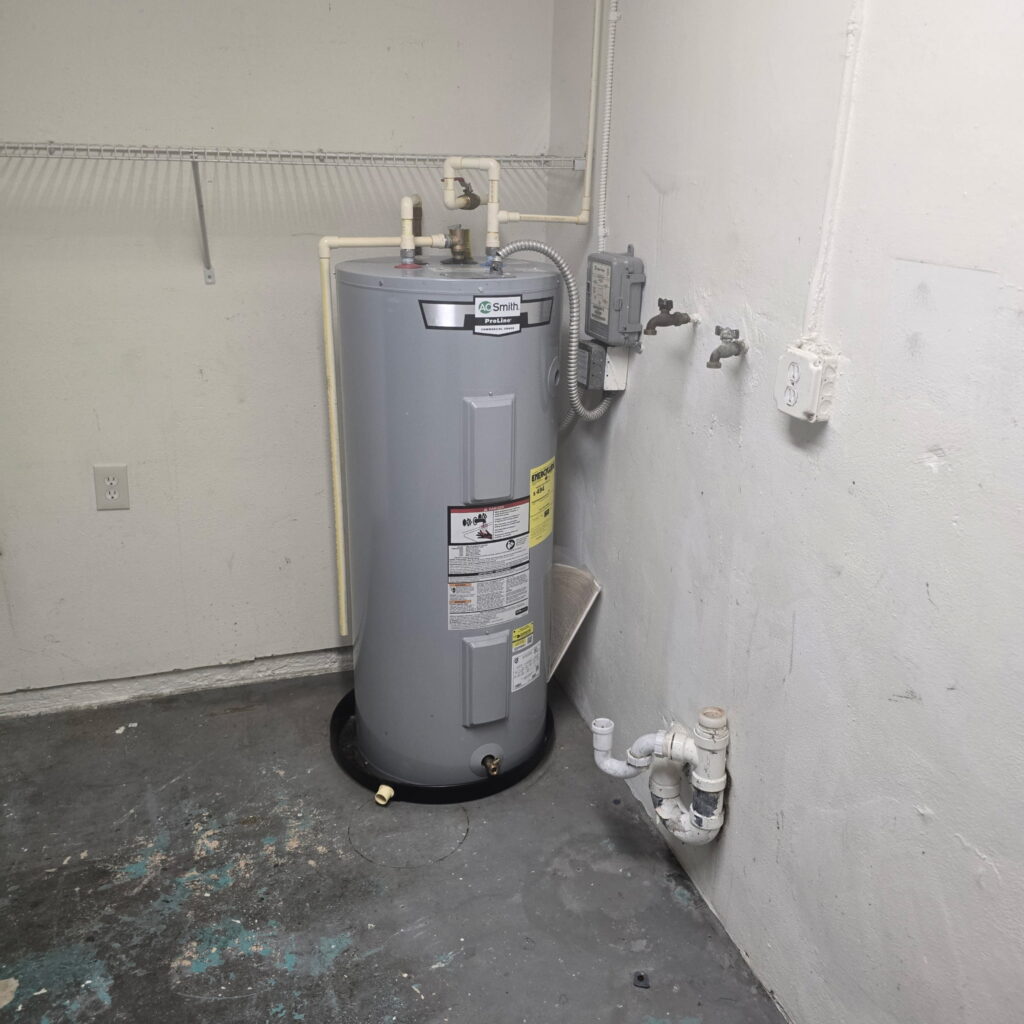
The sounds occur because water trapped beneath the sediment layer superheats and forces its way through the sediment as steam bubbles during the heating cycle. The movement of water and steam through a thick sediment layer produces the rumbling and popping sounds that homeowners often describe as the tank percolating or boiling. Beyond the noise, the sediment condition that produces these sounds also causes the tank bottom and lower portions of the tank wall to overheat, since the sediment layer prevents the heat from distributing evenly into the water above it. This overheating accelerates corrosion of the tank lining and weakens the steel of the tank bottom over time.
Flushing sediment from the tank through the drain valve is a maintenance procedure that can address early sediment accumulation before it becomes severe. In tanks where sediment has accumulated over many years without flushing, the sediment may have hardened to the point where it cannot be fully drained, and the overheating damage to the tank bottom may already be advanced enough that replacement is more practical than continued maintenance. DC Electrical HVAC Plumbing evaluates sediment condition and tank integrity during water heater service calls in Lawrence, KS, giving homeowners an honest assessment of whether a flush and maintenance service will restore adequate performance or whether the damage has progressed to the point where replacement is the sound decision.
Visible Rust, Corrosion, or Leaking
Any visible sign of rust, corrosion, or water leaking from a water heater should be treated as a serious finding that demands immediate attention. Water heater tanks are lined with a glass coating that protects the steel from the corrosive effects of stored hot water, and sacrificial anode rods consume themselves preferentially to further protect the steel when the glass lining develops microscopic cracks over time. When the anode rod is depleted and the glass lining has sufficiently degraded, the steel tank itself begins to corrode from the inside, and this internal rust eventually works its way to the point of producing rusty water at the hot water outlets throughout the home.
Rusty or discolored hot water is a strong indicator of internal tank corrosion. The distinction between tank corrosion and pipe corrosion is important; if rusty water appears only on the hot water side and not the cold, the water heater is the most likely source. If the water heater is relatively new and the discoloration appears only when the system has not been used for an extended period, corroding galvanized pipes may be the cause rather than the tank itself. DC Electrical HVAC Plumbing investigates water quality complaints in Lawrence, KS to identify the source accurately before recommending a course of action.
Leaking from any point on the water heater warrants a prompt professional inspection. Leaks from the temperature and pressure relief valve may indicate that the valve is functioning correctly by relieving excess pressure, which itself points to a water pressure or thermostat problem that needs to be addressed. A T&P relief valve that weeps continuously may have debris preventing it from seating fully, or it may be at the end of its service life and require replacement. Leaks from the tank body itself, whether from the top, sides, or bottom, indicate a breach in the tank that cannot be repaired; a leaking tank requires replacement, and the only question is whether the replacement happens on a planned schedule or in response to a catastrophic failure that floods the surrounding area.
The Age of the Equipment
Age is one of the most straightforward and most overlooked factors in water heater risk assessment. The average lifespan of a conventional tank water heater is 8 to 12 years, with the actual outcome depending on water quality, maintenance history, and how hard the unit has worked throughout its life. A water heater at 10 or 11 years of age that has never been flushed, whose anode rod has never been inspected or replaced, and that has been running continuously in a home with hard water is at significantly higher risk of imminent failure than the rated average lifespan would suggest.
The serial number on most water heater models encodes the manufacturing date, and homeowners who do not know the age of their water heater can typically determine it by looking up the serial number format for their specific brand. Knowing the age of your water heater is the starting point for making rational decisions about repair versus replacement; a water heater at 5 years of age with a failed heating element is a clear repair candidate, while the same failure in a 10-year-old unit in a region with hard water warrants a more careful evaluation of whether the repair cost is worth investing in equipment that may be approaching the end of its service life.
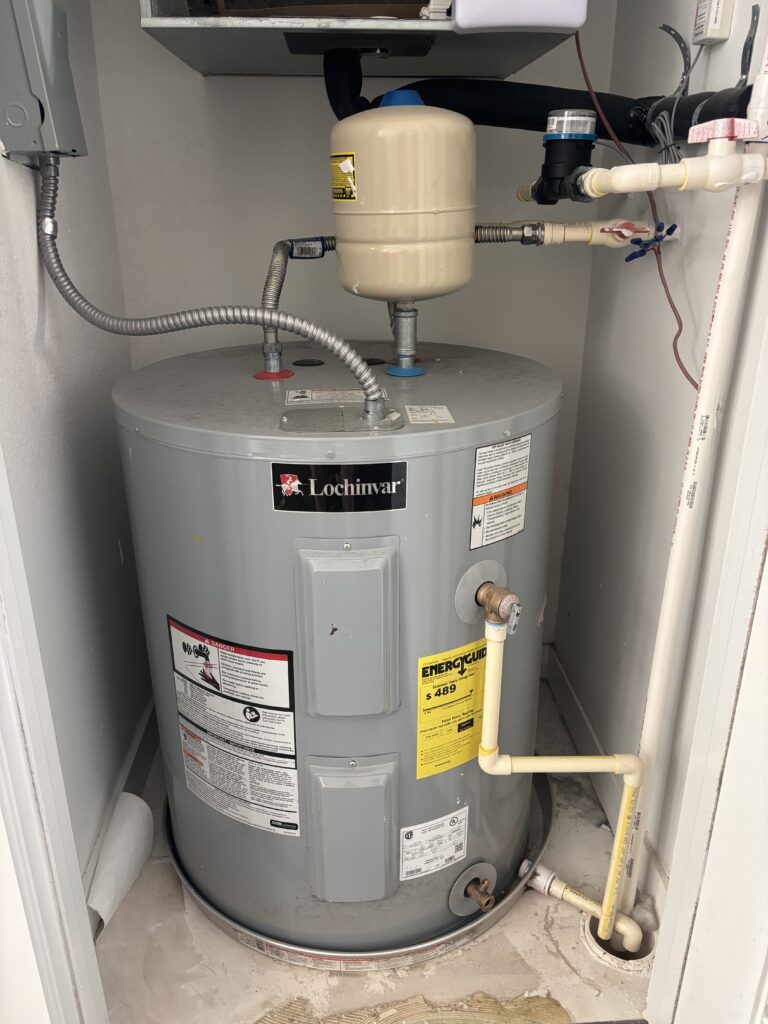
Proactive replacement of an aging water heater before it fails eliminates the risk of the water damage that a sudden tank failure causes. A tank that fails catastrophically can release 40 to 80 gallons of hot water into the surrounding area, damaging flooring, walls, stored belongings, and in multi-story homes potentially the ceiling of the floor below. The cost of water damage remediation consistently exceeds the cost of a planned water heater replacement by a significant margin. DC Electrical HVAC Plumbing provides free estimates on water heater installation in Lawrence, KS, making it straightforward for homeowners with aging equipment to evaluate replacement before a failure forces the decision under emergency conditions.
Rising Energy Bills Without Explanation
A water heater that is developing internal problems often signals its deteriorating condition through increased energy consumption before it produces obvious performance symptoms. A gas water heater running with significant sediment accumulation at the bottom of the tank takes longer to heat water to the thermostat setpoint because the heat must conduct through the insulating sediment layer before reaching the water above it. The burner runs for longer periods to accomplish the same heating result, consuming more gas per gallon of hot water produced. An electric water heater with one failed element relies entirely on the remaining element to heat the full tank volume, which causes the surviving element to run far longer than it was designed to, increasing electricity consumption and accelerating the wear on the remaining element.
Scale buildup on the heating elements of electric water heaters is a related efficiency problem driven by hard water conditions. As scale accumulates on element surfaces, it insulates the element from the water, reducing heat transfer efficiency and causing the element to operate at higher temperatures than its design intends. This elevated operating temperature accelerates the degradation of the element itself and can cause the scale coating to crack and spall into the tank water. Descaling or replacing scaled elements during a service visit can restore efficiency and extend the useful life of the water heater in cases where the tank itself remains in sound condition.
A homeowner who notices a gradual increase in their gas or electric utility bill without a corresponding change in household habits, weather, or appliance use should include the water heater on the list of systems worth inspecting. Water heating accounts for roughly 15 to 20 percent of total home energy consumption in a typical household, which means a water heater that is operating at significantly reduced efficiency has a measurable impact on monthly utility costs. DC Electrical HVAC Plumbing inspects water heater condition and efficiency during service calls in Lawrence, KS, providing homeowners with an honest assessment of whether the unit can be restored to efficient operation through service or whether replacement delivers better long-term value.
A water heater that is developing problems rarely fails silently; it communicates through changes in hot water availability, unusual sounds, visible corrosion, advancing age, and rising energy costs that are all visible to a homeowner who knows what to look for. Acting on those signals by scheduling a professional inspection gives you the information needed to make a sound decision about repair or replacement before the decision is made for you by a flooded utility room or a complete loss of hot water. DC Electrical HVAC Plumbing handles water heater repair and installation in Lawrence, KS with honest diagnostics, free estimates, and the professional workmanship that protects both the investment in new equipment and the surrounding home from the water damage that a failing water heater can cause. Call (785) 596-3963 to schedule a water heater inspection or request a free estimate on a new installation today.