

Commercial Refrigeration Maintenance Tips for Local Businesses
Commercial refrigeration equipment is the backbone of food safety and product quality for restaurants, grocery stores, delis, breweries, floral shops, and dozens of other businesses operating throughout Lawrence, KS and the surrounding region. When refrigeration equipment performs well, it is invisible; it runs quietly in the background while staff focus on serving customers and managing operations. When it fails, everything stops. Inventory spoils, health code compliance is immediately at risk, and the revenue impact of even a brief equipment outage can be significant. The businesses that experience the fewest refrigeration emergencies are not the ones with the newest equipment; they are the ones with the most consistent maintenance practices. Understanding what drives refrigeration equipment toward failure and what can be done to prevent it is some of the most valuable operational knowledge any local business owner can have.
Start With the Condenser Coil
The condenser coil is the single most important maintenance target on any commercial refrigeration unit, whether it is a prep table, a reach-in cooler, a walk-in cooler, or a walk-in freezer. Its job is to reject the heat extracted from the refrigerated space into the surrounding environment, and it can only do that job effectively when air can flow freely across its fin surfaces. In a commercial kitchen environment, the air surrounding the condensing unit carries grease, dust, and fine food particles that are drawn into the condenser fins by the fan and deposited there with every hour of operation. Over weeks and months, this accumulation builds into a layer of insulating material that prevents the condenser from transferring heat efficiently.
When a condenser cannot reject heat effectively, the refrigerant inside the system builds up to a higher pressure and temperature than the equipment was designed to operate at. This condition is called high head pressure, and it forces the compressor to work harder against greater resistance with every compression cycle. The energy consumption of the unit increases, the operating temperature of the compressor rises, and the wear on internal compressor components accelerates. A severely fouled condenser can increase refrigeration energy consumption by 20 to 30 percent compared to a clean unit, and the compressor stress it creates shortens the equipment’s service life measurably.
Cleaning the condenser coil is straightforward for a professional technician and is the single highest-return maintenance action available for commercial refrigeration equipment. Operators can improve outcomes between professional visits by wiping down the condenser grille exterior regularly to remove surface grease before it is drawn deeper into the fins. Never use a pressure washer or high-pressure compressed air directly on condenser fins; the aluminum fins are delicate and bend easily, permanently reducing the surface area available for heat transfer. Professional cleaning uses appropriate brushes, low-pressure air, and coil-safe cleaning solutions that remove contamination without fin damage. Scheduling professional condenser cleaning at least twice per year, and quarterly in high-grease kitchen environments, is the foundation of any commercial refrigeration maintenance program.
Manage Your Door Gaskets and Hardware
Refrigeration doors and their associated hardware are among the highest-wear components on any commercial refrigeration unit. Walk-in cooler and freezer doors open and close hundreds of times per day in busy food service operations, subjecting hinges, closers, and gaskets to continuous mechanical stress. The gasket that seals the door against the cabinet frame is the thermal barrier that separates the refrigerated interior from the warm ambient environment, and when it fails, the refrigeration system absorbs the consequences in the form of increased runtime, higher energy consumption, and potential temperature compliance problems.
Gaskets fail in several ways that are not always obvious from a casual visual inspection. The gasket material can harden and lose its compression over time, maintaining the appearance of an intact seal while no longer deforming enough to fill the gap between the door and the frame. Tears and cuts in the gasket material create obvious air pathways, but a gasket that has taken a permanent set from years of compression is less visually apparent and just as problematic. A simple paper test reveals gasket integrity without any tools; slide a piece of paper between the closed door and the frame at various points around the perimeter. Resistance when pulling the paper out indicates a good seal; the paper slides out easily where the gasket has failed.
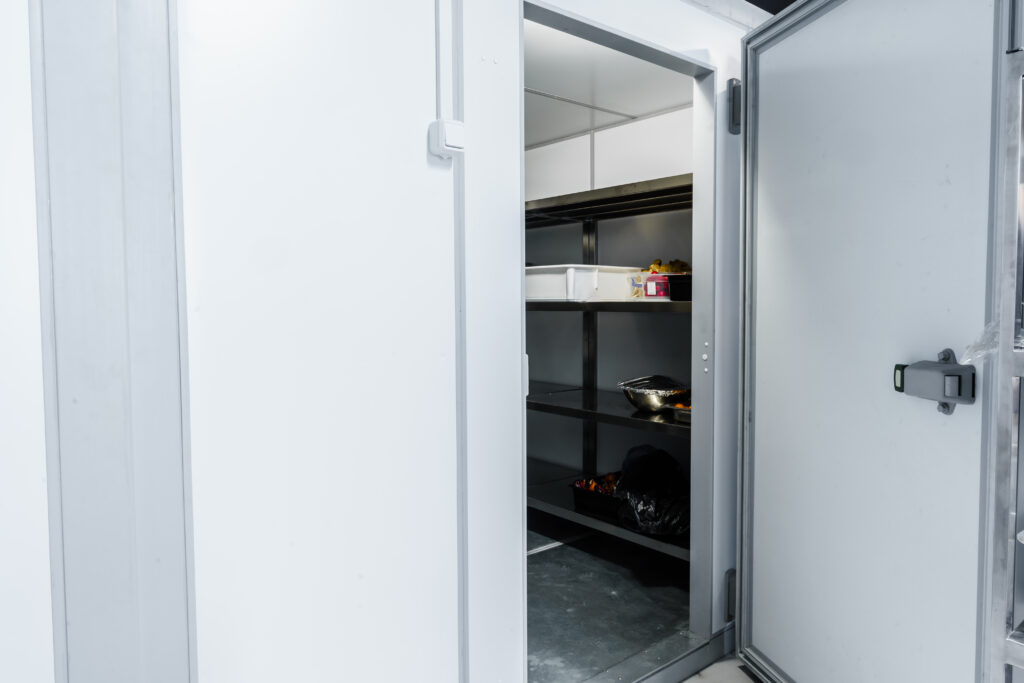
Door closers and cam-lift hinges are designed to return the door to the closed position after every use, ensuring that doors are never accidentally left ajar. A door closer that has weakened or failed leaves the door dependent on staff remembering to close it fully after every entry, which is an unreliable safety net in a busy commercial kitchen. Walk-in freezer doors present an additional challenge with door frame heater cables that prevent frost from building up at the door frame; a failed heater cable allows ice to accumulate rapidly at the frame, eventually preventing the door from sealing or even opening freely. Checking door closer function, gasket condition, and heater cable operation as part of a regular facility walkthrough takes only a few minutes and catches developing problems before they reach the point of impacting food safety compliance.
Monitor Temperatures Consistently
Temperature monitoring is the most direct measure of whether commercial refrigeration equipment is doing its job, and relying on a periodic manual temperature check is an insufficient approach to food safety management for any serious food service or food retail operation. The FDA Food Code requires cold food storage equipment to maintain potentially hazardous foods at 41 degrees Fahrenheit or below; a unit that runs at 42 or 43 degrees during the overnight period when no one is present to check it is in violation of that standard regardless of what the temperature reads at the time of the morning walkthrough.
Digital temperature loggers that record cabinet temperature at regular intervals throughout the day and night provide the continuous documentation that manual checks cannot. These devices create a data record showing every temperature measurement over a defined period, making it possible to identify overnight temperature excursions, post-loading temperature recovery times that are longer than they should be, and gradual drift toward the upper limit of the acceptable range that indicates a developing maintenance issue. Some monitoring platforms send alerts to a manager’s smartphone when the temperature rises above a set threshold, allowing a rapid response to a developing problem before it reaches the point of product loss.
The data from continuous temperature monitoring is also operationally valuable beyond immediate alarm response. A unit that consistently runs at the high end of its acceptable range but never quite triggers an alarm may be showing early signs of condenser fouling, low refrigerant charge, or a failing component that has not yet caused a detectable performance failure. Sharing temperature logs with your refrigeration service technician during maintenance visits gives them context about how the equipment has been performing between visits, improving the quality of the maintenance assessment and making it more likely that developing problems are identified before they escalate.
Understand Defrost System Requirements
The defrost system is one of the most critical and most frequently misunderstood aspects of commercial refrigeration maintenance, particularly for walk-in freezer operators. As refrigeration equipment operates, moisture in the air inside the refrigerated space condenses and freezes on the evaporator coil surface. This frost accumulation is a normal and expected byproduct of the refrigeration process, and the defrost system is designed to melt it periodically so the coil can return to full efficiency. When the defrost system fails to do this on schedule, frost accumulates faster than it is removed, and the resulting ice buildup gradually restricts airflow through the evaporator until the system cannot maintain the required temperature.
Defrost system failures often develop gradually, which means the symptoms can be subtle at first. A walk-in freezer that is slightly warmer than usual, a prep table that takes a bit longer to recover after a heavy load, or an evaporator unit that sounds different because fan blades are beginning to contact accumulated ice are all early indicators of a defrost problem that will worsen without intervention. By the time the temperature compliance failure is obvious, the evaporator coil may be completely encased in ice and the refrigeration system may have been running continuously at maximum effort for days, accumulating significant compressor stress.
Defrost system components including the defrost heaters, defrost timer or electronic controller, and defrost termination thermostat should all be tested during professional maintenance visits. The defrost frequency and cycle duration should be evaluated against the actual frost accumulation patterns observed in the specific unit, since the correct settings depend on the moisture load the freezer experiences and not simply on default factory programming. A walk-in freezer with high door traffic and significant moisture infiltration may need more frequent defrost cycles than the same unit in a lower-traffic environment. Getting the defrost configuration right for the actual operating conditions is a technical judgment call that requires experience with commercial refrigeration systems.
Protect Your Refrigerant Charge
Refrigerant is the working fluid of every commercial refrigeration system, circulating continuously between the evaporator and condenser to move heat from the refrigerated space to the outside environment. The refrigerant charge in a properly operating system does not get consumed; if the charge level drops, there is a leak somewhere in the system that must be located and repaired. A slow refrigerant leak may not produce obvious symptoms for weeks or months, during which time the system is delivering less and less cooling capacity while the compressor operates under increasing stress from the abnormal circuit conditions that low charge creates.
Finding and repairing refrigerant leaks requires an EPA certified technician using electronic leak detection equipment. The EPA prohibits the release of refrigerants into the atmosphere and requires that leaks above certain threshold rates be repaired within a specified timeframe. Simply adding refrigerant to a leaking system without finding and repairing the leak is both a regulatory violation and a waste of money; the system will return to a low-charge condition as the leak continues. Checking refrigerant pressures during maintenance visits and comparing them against the manufacturer’s specifications for the operating conditions at the time of the measurement is the standard method for verifying that charge is within the correct range.
For businesses operating older equipment using refrigerants that have been phased out under EPA regulations, refrigerant availability and cost are practical concerns that should factor into equipment planning. R-22 refrigerant, once widely used in commercial refrigeration systems, is no longer manufactured in the United States and is available only as a reclaimed product with limited and declining supply. An older unit on R-22 that develops a refrigerant leak faces repair costs that include a significant refrigerant charge expense on top of the leak repair itself. Understanding the refrigerant type in your existing equipment and planning proactively for eventual system replacement is a financially prudent approach for any Lawrence business operating aging refrigeration equipment.
Work With a Qualified Refrigeration Service Provider
The quality of the service provider maintaining your commercial refrigeration equipment has a direct and lasting impact on equipment reliability, service life, and food safety compliance. A refrigeration technician who diagnoses problems accurately, explains findings honestly, and repairs the root cause of a failure rather than treating only the symptoms produces better outcomes than one who replaces parts based on guesswork and returns the same equipment to service without addressing what caused the failure in the first place. EPA certification for refrigerant handling is a legal requirement for any technician working on refrigerant-based systems, and it is a baseline qualification that every commercial refrigeration service provider must meet.
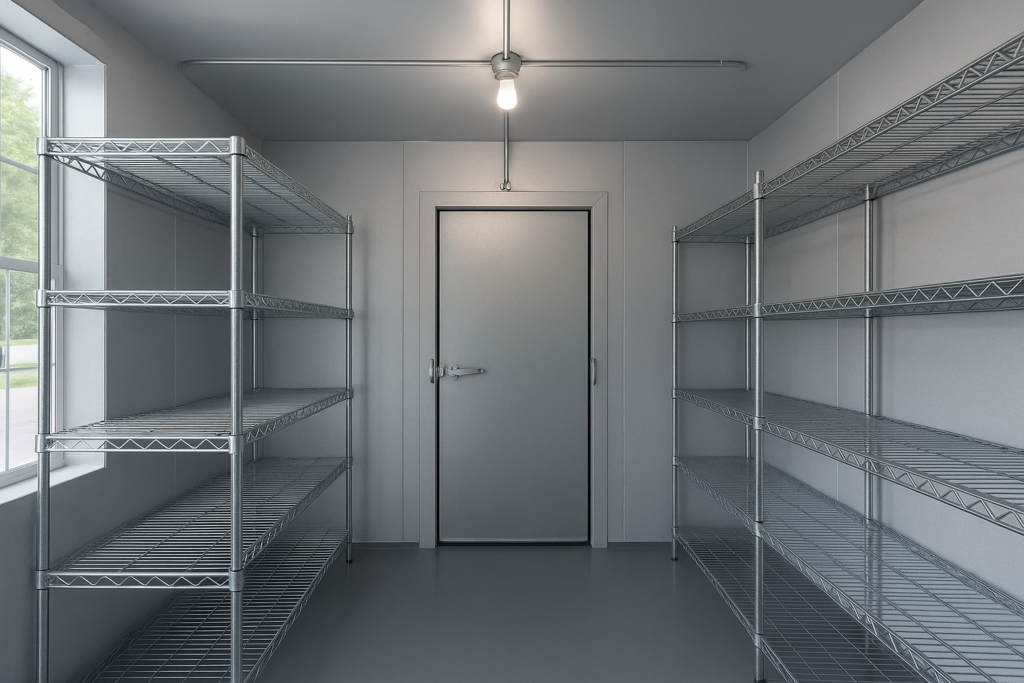
Establishing a relationship with a single qualified service provider who becomes familiar with your specific equipment is more valuable than calling whoever is available at the time of an emergency. A technician who has serviced the same walk-in cooler for several years builds knowledge of how that specific unit operates, what its normal readings are, and what its history of service issues looks like. This familiarity accelerates diagnostic accuracy and makes it more likely that developing trends are identified before they cause failures. A new technician seeing the equipment for the first time has no baseline to compare against and must work from general principles alone.
DC Electrical HVAC Plumbing serves Lawrence, KS and the surrounding region with commercial refrigeration installation, maintenance, and emergency repair for the full range of equipment types including prep tables, walk-in coolers, and walk-in freezers. Our EPA certification, 24/7 emergency availability, and commitment to honest diagnostics make us the service partner that Lawrence area food service and retail businesses can rely on when refrigeration equipment performance is non-negotiable.
Commercial refrigeration maintenance is not an expense; it is an investment in food safety, equipment longevity, and operational continuity that pays consistent returns in avoided emergency repairs, reduced energy costs, and sustained health department compliance. The businesses that treat refrigeration maintenance as a priority rather than a reaction to problems consistently outperform those that wait for failures before calling for service, both in equipment reliability and in the total cost of maintaining their refrigeration assets over time. Clean condensers, intact door gaskets, functioning defrost systems, verified refrigerant charge, and continuous temperature monitoring are the foundational elements of a commercial refrigeration maintenance program that protects every business that depends on cold storage to serve its customers safely. DC Electrical HVAC Plumbing is available to Lawrence area businesses for scheduled maintenance, emergency repairs, and new equipment installation.