

Why GFCI Outlets Matter in Kitchens Bathrooms and Outdoors
GFCI outlets stand between your family and one of the most common causes of electric shock in the home. The letters stand for Ground Fault Circuit Interrupter, and these outlets do exactly what the name suggests. They watch the flow of electricity moving through the circuit, and they cut the power in a tiny fraction of a second the moment something goes wrong. Kitchens, bathrooms, and outdoor spaces share one important thing in common: water. Water and electricity create a dangerous combination, and that is precisely why building codes single out these areas for GFCI protection. A standard outlet has no way to sense the difference between current flowing safely through an appliance and current flowing dangerously through a person. GFCI outlets close that gap, and they have prevented thousands of injuries since they became widely required. Understanding how they work, where they belong, and when they need attention helps you keep your household protected all year long.
How GFCI Outlets Protect Your Kitchen, Bathroom, and Outdoor Spaces
A GFCI outlet works by constantly comparing the electricity flowing out through the hot wire to the electricity returning through the neutral wire. In a healthy circuit, those two numbers match almost perfectly. When the outlet detects even a small imbalance, often as little as four to six milliamps, it knows electricity is escaping somewhere it should not go. That escape is called a ground fault, and it frequently means current is traveling through water, metal, or a human body. The GFCI responds by tripping and shutting off power before the leak can cause serious harm. This entire process happens faster than the blink of an eye. Because the danger of ground faults rises sharply near moisture, kitchens, bathrooms, and outdoor receptacles receive the strongest protection requirements in the electrical code.
Why GFCI Outlets Matter for Kitchen Safety
The kitchen is one of the busiest electrical environments in any home, and it is full of conditions that raise the risk of a ground fault. Countertops hold toasters, blenders, coffee makers, and air fryers, and many of these sit just inches from a sink full of water. A frayed cord, a splash of liquid, or a worn appliance can send current down an unintended path in an instant. Without GFCI protection, that stray current could pass straight through the person reaching for the appliance. With a GFCI outlet in place, the power cuts off before the shock can become severe. Electrical codes now require GFCI protection for receptacles serving kitchen countertops, and the reason is rooted in decades of injury data. Wet hands, metal sinks, and high-wattage appliances simply create too much opportunity for accidents. Installing the right outlets in your kitchen is one of the simplest upgrades that meaningfully lowers daily risk.
Older kitchens often lack this protection entirely, especially homes built before GFCI requirements expanded into food preparation areas. Many homeowners do not realize their countertop outlets are standard receptacles until an inspection reveals it. Remodeling a kitchen is a natural moment to bring the wiring up to current safety standards. Even a modest update, such as swapping a few outlets, delivers real protection at a reasonable cost. The work involves more than simply replacing a faceplate, because correct wiring determines whether the outlet protects the entire circuit or only itself. A licensed electrician knows how to position GFCI devices so the whole countertop run stays covered. This attention to detail is what separates a safe installation from a false sense of security.
Beyond shock protection, GFCI outlets in the kitchen also help limit damage during minor electrical faults. When a small leak develops in an appliance, the outlet trips rather than allowing the problem to grow worse over time. That quick response can prevent overheating, scorched wiring, and in rare cases the start of an electrical fire. Homeowners should test their kitchen GFCI outlets once a month using the test and reset buttons on the face of the device. If the outlet fails to trip during the test, it has likely worn out and needs replacement. Treating these monthly checks as routine keeps the protection working as designed. A reliable outlet is only useful while its internal sensing circuitry remains intact.
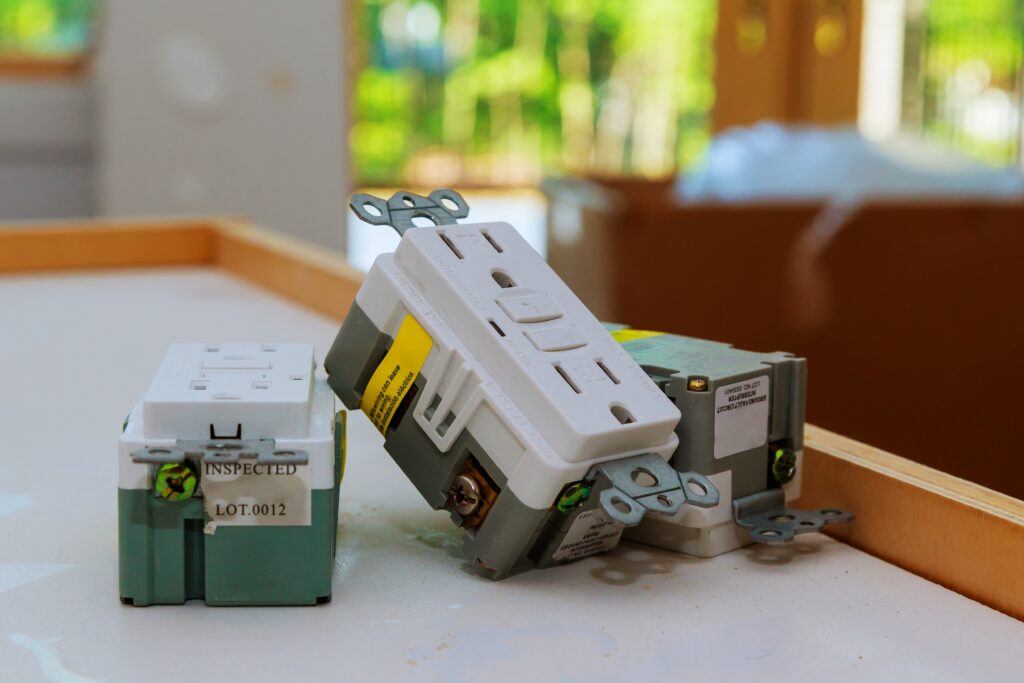
Why GFCI Outlets Matter for Bathroom Safety
Bathrooms combine standing water, damp surfaces, and frequent contact with electrical devices, which makes them a prime location for ground faults. Hair dryers, electric razors, curling irons, and electric toothbrushes all draw power within reach of sinks, tubs, and showers. A single dropped appliance near a filled basin can create a path for current that would be lethal without protection. GFCI outlets eliminate that danger by cutting power the moment electricity strays from its intended route. The electrical code has required GFCI protection in bathroom receptacles for many years, reflecting how serious the risk truly is. Humidity also plays a role, since steam and condensation can creep into outlets and wiring over time. All of these factors explain why a properly functioning GFCI outlet belongs in every bathroom.
Many bathroom shock incidents involve children and elderly family members, two groups that are especially vulnerable to electrical injury. A toddler exploring an outlet or an older adult steadying themselves on a wet surface faces heightened danger. The GFCI device does not care who is at risk, because it simply senses the fault and acts. This impartial, lightning fast response is exactly what makes it such a valuable safeguard. Homeowners sometimes assume that a newer home automatically has correct protection in every bathroom, yet wiring errors and aging devices can leave gaps. A professional inspection confirms that each receptacle actually trips when it should. Knowing the protection is real provides genuine peace of mind in a room used every single day.
Moisture takes a toll on GFCI outlets over the years, and bathroom devices often fail sooner than those in drier rooms. A GFCI that no longer resets, or one that trips for no clear reason, is signaling that its internal components are wearing down. Ignoring these warning signs leaves the room without the protection it is supposed to have. Replacing a worn bathroom GFCI is a quick job for a qualified electrician and a wise investment in safety. If you notice scorch marks, a warm faceplate, or buzzing sounds, you should stop using the outlet and call for service. Need a trained electrician to check your outlets? Click here for our GFCI outlet installation service. Catching a failing outlet early prevents the kind of accident these devices exist to stop.
Why GFCI Outlets Matter for Outdoor Outlets
Outdoor receptacles face the harshest conditions of any outlets in your home, and that exposure makes GFCI protection essential. Rain, snow, sprinkler overspray, and morning dew all introduce moisture directly into the area where you plug in tools and equipment. Summer brings even more demand, as homeowners power lawn mowers, hedge trimmers, pressure washers, string lights, and pool equipment from outdoor outlets. Each of these uses ties electricity to wet ground and bare hands, the exact recipe for a dangerous ground fault. A GFCI outlet senses the leak and shuts off the power before the user feels more than a startle. The electrical code requires GFCI protection for outdoor receptacles for this very reason. Skipping that protection outdoors invites serious risk during the seasons when these outlets see the heaviest use.
Outdoor GFCI outlets should always be paired with weather resistant covers and proper enclosures to keep water out of the device. A bubble cover allows a cord to stay plugged in while the outlet remains shielded from rain. Without that barrier, moisture works its way into the contacts and causes nuisance tripping or premature failure. Proper installation also includes correct sealing and the right rated materials for outdoor use. These details matter because an outdoor outlet endures temperature swings, ultraviolet light, and constant humidity. A licensed electrician selects components built to survive those conditions and installs them to drain and breathe correctly. The result is an outlet that keeps protecting you season after season rather than failing the first wet spring.
Pools, hot tubs, and water features raise the stakes even higher, since they place large volumes of water beside electrical equipment. Pumps, lighting, and accessory outlets around these features demand strict GFCI protection under the electrical code. A fault near a pool can endanger everyone in the water at once, which is why the rules are uncomfortably specific in these areas. Homeowners adding outdoor living spaces should plan for proper GFCI coverage from the start rather than retrofitting later. Older patios and decks often have outlets that predate current requirements and need an upgrade. Want a professional to evaluate your outdoor wiring? Click here for our electrical inspection service. A short visit can confirm that every outdoor outlet meets today’s safety standards.
Signs Your GFCI Outlets Need Repair or Replacement
GFCI outlets do not last forever, and the protective circuitry inside them gradually wears down with age and exposure. A device that worked perfectly for a decade can quietly stop sensing faults, leaving you with an outlet that looks fine but no longer protects anyone. Because the failure is invisible during normal use, regular testing is the only reliable way to catch it. Outlets in damp locations such as kitchens, bathrooms, and outdoor walls tend to degrade faster than those in dry rooms. Tripping that happens too often or not at all both point to a problem worth investigating. Knowing the warning signs helps you act before a worn outlet turns into a hazard. A few minutes of attention each month can reveal issues long before they become dangerous.
How to Test GFCI Outlets in Kitchens and Bathrooms
Testing a GFCI outlet is simple, and every homeowner should make it a monthly habit in kitchens and bathrooms. Each GFCI device has two small buttons on its face, usually labeled test and reset. Pressing the test button should cause an audible click and cut power to the outlet, which you can confirm with a plugged in lamp or phone charger. Pressing reset should restore the power and return the outlet to normal operation. A healthy GFCI completes this cycle every time without hesitation. If the outlet does not trip when you press test, the internal sensing mechanism has failed and the device offers no real protection. That outlet needs replacement promptly, because it can no longer guard against a ground fault.
Some homeowners discover that an outlet trips during the test but refuses to reset afterward. This behavior usually points to a worn device, a wiring fault, or moisture inside the box. A GFCI that will not reset should not simply be ignored or forced, because the problem rarely fixes itself. In kitchens, repeated tripping can also signal an appliance with a damaged cord drawing current it should not. Unplugging suspect devices one at a time helps narrow down the source before you call for service. When the outlet itself is the culprit, a licensed electrician can replace it quickly and verify the surrounding wiring at the same time. Pairing the test with a quick visual check of the faceplate adds another layer of confidence.
Bathroom GFCI outlets deserve the same monthly attention, and humidity makes that testing even more important. Steam from daily showers seeps into outlets over time and accelerates wear on the internal components. An outlet that grows warm, hums, or shows discoloration around the slots is giving you a clear warning. You should stop using any outlet that feels hot or smells like burning plastic and arrange for an inspection. Recording the date of each monthly test on a simple calendar keeps the routine from slipping. If several outlets in the home fail their tests around the same time, the devices likely reached the end of their service life together. Replacing them as a group restores consistent protection throughout the house.
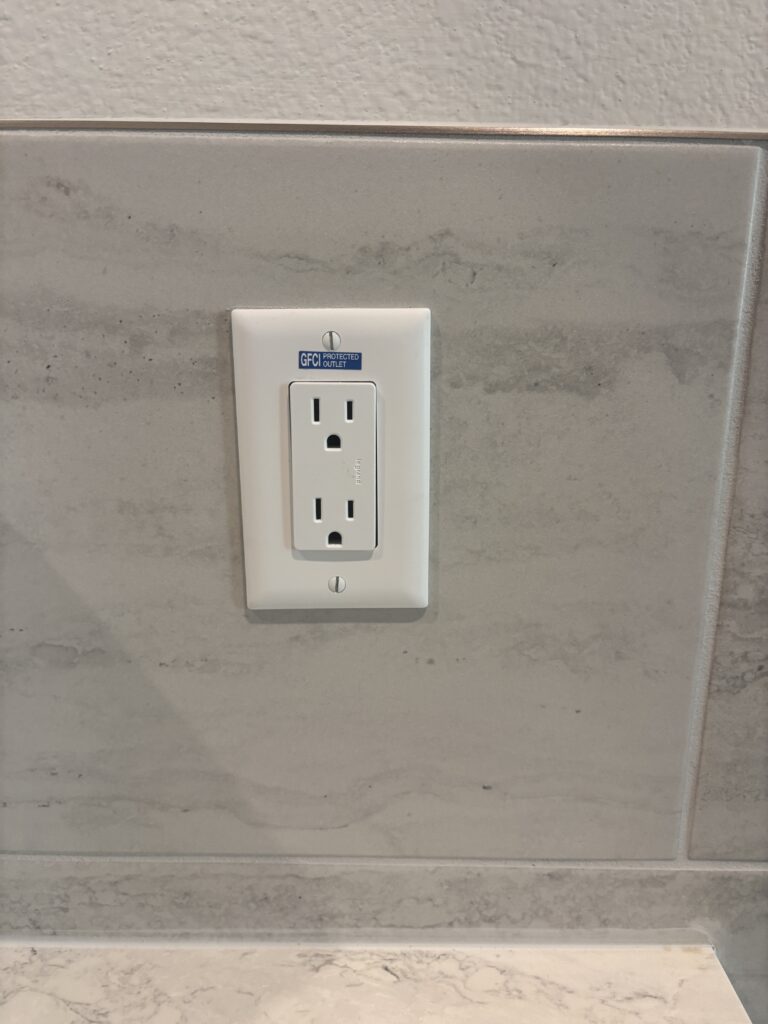
Common GFCI Outlet Problems in Outdoor Locations
Outdoor GFCI outlets face problems that indoor outlets rarely encounter, and moisture sits at the top of that list. Water that sneaks past a worn cover collects inside the box and causes the outlet to trip again and again. This nuisance tripping frustrates homeowners trying to run lawn equipment, yet it is actually the device doing its job by responding to a real fault. The fix usually involves drying the box, sealing the entry points, and installing a proper weather resistant cover. A bubble cover that stays closed around a plugged in cord keeps rain out far better than a simple flip lid. When the tripping continues after the box is dry and sealed, the outlet itself may have corroded internally. At that point a licensed electrician should test the circuit and replace the affected device.
Sun exposure and temperature swings create a second set of issues for outdoor outlets over the years. Ultraviolet light makes plastic covers brittle, and cracked covers let in the very moisture they were meant to block. Freezing winters and hot summers cause materials to expand and contract, loosening connections inside the box. Loose connections generate heat, and heat shortens the life of the GFCI device dramatically. Homeowners often notice an outdoor outlet that worked all spring suddenly fails after the first heat wave. Inspecting outdoor covers and gaskets each season catches this damage before it disables the outlet. Replacing a cracked cover early is far cheaper than rewiring a damaged outlet later.
Pest activity and physical damage round out the common outdoor problems, especially in homes near landscaping or wooded areas. Insects and small animals are drawn to the warmth of electrical boxes and can nest inside them, blocking proper operation. Lawn mowers, ladders, and garden tools occasionally strike outlets mounted low on exterior walls. A cracked faceplate or a bent prong slot lets moisture and debris reach the contacts. Any outdoor outlet showing visible damage should be tested and likely replaced rather than patched. Because outdoor circuits often feed multiple receptacles, a single failed device can leave a whole run unprotected. A professional can trace the circuit and confirm that every outlet downstream still trips correctly.
When to Replace Old GFCI Outlets in Your Home
Most GFCI outlets last somewhere between ten and fifteen years, though location and conditions shift that range in either direction. Outlets in dry interior rooms often reach the longer end of that span, while bathroom and outdoor devices wear out sooner. Age alone is reason enough to consider replacement, because the internal electronics fade gradually rather than failing all at once. An outlet that still resets but no longer trips during testing has already passed the point of usefulness. Homeowners who have never replaced their GFCI outlets in a decade or more should plan an upgrade. The cost of new devices is small compared to the protection they restore. Treating replacement as routine maintenance keeps the whole home covered.
Certain events should prompt replacement regardless of the outlet’s age, and water exposure tops that list. A flooded basement, a burst pipe, or a soaked outdoor box can damage GFCI devices beyond repair even when they appear intact. Electrical storms and power surges also stress the sensitive circuitry inside these outlets. After any of these events, testing every affected outlet confirms which ones survived and which need to go. Discoloration, a melted faceplate, or a persistent burning smell are absolute signals to replace immediately and stop using the outlet. Buzzing, crackling, or outlets that feel loose when you insert a plug point to deeper wiring issues. A licensed electrician can determine quickly whether the problem ends at the outlet or extends into the circuit.
Home renovations and additions create natural opportunities to update GFCI protection throughout the property. Opening walls for a remodel makes it easy to add or relocate outlets and bring older areas into compliance. Buyers and sellers also benefit from current protection, since electrical safety frequently appears in home inspections. Upgrading outdated outlets before listing a home avoids surprises during the sale. For households with young children or older relatives, modern GFCI protection is more than a code requirement, because it directly reduces daily risk. If an electrical fault leaves you without power in a critical area, fast help matters. Need urgent electrical help? Click here for our emergency electrician service. Planning replacements ahead of time keeps small problems from becoming emergencies.
Why You Need Professional GFCI Outlet Installation
GFCI outlets protect your family only when they are wired correctly, and that is where professional installation earns its value. The difference between an outlet that protects a single receptacle and one that protects an entire circuit comes down to how the line and load terminals are connected. A simple mistake can leave outlets downstream completely unprotected while everything still appears to work. Licensed electricians understand these wiring details, the local code requirements, and the right devices for each location. They also test every installation to confirm the protection actually functions. DC Electrical HVAC Plumbing brings that expertise to homes and businesses across the Lawrence area. Choosing a professional turns a safety upgrade into lasting peace of mind.
Why Professional GFCI Outlet Installation Protects Your Home
A trained electrician approaches GFCI outlet installation as a safety system rather than a single device swap. The work begins with confirming the existing wiring, checking for proper grounding, and identifying every receptacle that needs protection. Correct connections at the line and load terminals determine how far that protection reaches along the circuit. An incorrect connection can leave kitchen counters, bathroom outlets, or outdoor receptacles exposed without any warning. Professionals also verify that the circuit is not overloaded and that the outlet matches the demands of the room. After installation, they test each device to confirm it trips and resets exactly as designed. That final verification is something a quick weekend project usually skips.
Beyond the wiring itself, professional installation accounts for the conditions each outlet will face. Bathroom and kitchen outlets need devices rated for damp environments, while outdoor outlets require weather resistant covers and proper sealing. An electrician selects materials built to survive moisture, temperature swings, and heavy use. They mount and seal the outlets so water drains away rather than collecting inside the box. These choices extend the life of the outlet and keep the protection reliable for years. A homeowner working alone often cannot tell which device or cover is rated correctly for the location. Getting these details right the first time avoids repeated failures and repeat repairs.
Professional installation also protects you from the hidden hazards of older wiring. Many homes contain outdated panels, ungrounded circuits, or connections that no longer meet code. Adding a GFCI outlet to a flawed circuit can mask problems rather than solve them. A licensed electrician spots these issues and addresses the root cause rather than just the symptom. They document the work and ensure it satisfies inspection standards. This thorough approach matters most in older properties around Lawrence and the surrounding communities. The result is electrical protection you can actually trust during everyday life.

Why GFCI Outlet Code Compliance Matters
Electrical codes require GFCI protection in kitchens, bathrooms, garages, basements, laundry areas, and outdoor locations for solid safety reasons. These rules grew out of real injury data collected over many decades. Meeting them is not simply about passing an inspection, because compliance directly lowers the chance of shock and fire in your home. Insurance providers and home inspectors both pay close attention to GFCI coverage. A property that falls short can face complications during a sale or a claim. Bringing outlets up to current standards protects both your family and the value of your home. Code compliance and personal safety point in exactly the same direction.
Codes change over time, and an outlet that met the standard years ago may no longer satisfy current requirements. Areas that once allowed standard receptacles now demand GFCI protection, particularly in kitchens and outdoor spaces. Homeowners rarely track these updates, which is one more reason professional guidance helps. A licensed electrician stays current on the rules and applies them correctly to each project. They know which receptacles must be protected and how the protection should be wired. This knowledge prevents the kind of gap that leaves part of a circuit unprotected. Staying compliant keeps your home aligned with the safest available practices.
Code compliance also protects businesses, where the stakes and the requirements often run higher. Restaurants, shops, and commercial kitchens face strict rules tied to the presence of water and the volume of equipment in use. A failed inspection can delay an opening or interrupt operations. DC Electrical HVAC Plumbing helps commercial clients meet these standards with proper GFCI installation and documentation. The same attention to code that protects a family home protects a business and its customers. Reliable, compliant wiring reduces liability and keeps daily operations running smoothly. Partnering with licensed professionals takes the guesswork out of meeting these obligations.
Why Choose DC Electrical HVAC Plumbing for GFCI Outlets
DC Electrical HVAC Plumbing brings licensed, experienced electricians to every GFCI outlet project across Lawrence and the surrounding communities. The company holds OSHA and EPA certifications, and that commitment to training shows in the quality of the work. Free estimates on service and installation make it easy to plan an upgrade without surprises. Financing options help homeowners and business owners handle larger electrical projects on a comfortable schedule. Honest diagnostics with no sales pressure mean you get clear answers about what your outlets actually need. This straightforward approach has earned the trust of families and businesses throughout the region.
Service matters most when something goes wrong, and DC Electrical HVAC Plumbing offers around the clock emergency help. A tripped outlet that leaves a kitchen or bathroom without power does not wait for business hours. The team responds quickly, diagnoses the problem accurately, and restores safe operation as fast as possible. Every job reflects a dedication to stellar service from the first phone call to the final test. Customers receive the same care on a single outlet replacement as they do on a full panel upgrade. That consistency is what keeps neighbors recommending the company to one another. Dependable help is only a phone call away.
Choosing the right electrical partner protects your home, your family, and your investment for years to come. DC Electrical HVAC Plumbing combines technical skill with genuine respect for every customer. The company serves the Lawrence area and many nearby Kansas communities with the same high standards. From GFCI outlets to full electrical projects, the team delivers safe, code compliant work you can rely on. Reach the office at (785) 596-3963 or email info@justcalldc.com to schedule service. The address is 1856 E 600th Road, Lecompton, KS 66050, right in the heart of the service area. Trust your GFCI outlet installation to a team that puts safety and honesty first.