
How to Choose the Right Tankless Water Heater for Your Home
A tankless water heater gives your home a steady supply of hot water without the bulky storage tank that older systems rely on. These units heat water on demand, so you stop paying to keep a full tank warm around the clock. Many homeowners in Lawrence and the surrounding Kansas communities switch to tankless models to save space, lower monthly energy costs, and enjoy hot water that does not run out during back to back showers. The challenge is that not every tankless unit fits every home, and a model that works great for a small house can fall short in a busy family home. Picking the correct size, fuel type, and flow rate makes the difference between a system you love and one that frustrates you every morning. The right choice depends on how much hot water your household uses at once, the temperature of your incoming water, and the fuel sources already available at your property. This guide walks you through the most important factors so you can make a confident decision before you spend a dime. By the end, you will understand exactly what separates a good tankless water heater from the perfect one for your family.
Key Factors When You Choose a Tankless Water Heater for Your Home
Choosing the right tankless water heater starts with understanding the three factors that drive performance: fuel type, flow rate, and temperature rise. Each of these works together to determine how much hot water your unit can produce at any given moment of the day. A unit that ignores even one of these factors can leave you with lukewarm showers or a system that struggles during peak demand. Fuel type controls how the unit generates heat and what installation work your home will need to support it. Flow rate, measured in gallons per minute, tells you how many fixtures the unit can serve at the same time. Temperature rise accounts for the gap between your cold incoming water and the hot water you want at the tap. When a plumber sizes these factors correctly, your tankless water heater delivers reliable hot water for years without complaint. The sections below break down each factor in plain terms so the choice feels simple.
Fuel Type Matters When You Choose a Tankless Water Heater
Fuel type is the first decision because it shapes everything else about your tankless water heater. Most homes run on either natural gas, propane, or electricity, and the unit you buy must match what is available at your property. Gas units tend to produce higher flow rates, which makes them a strong fit for larger households that run several fixtures at once. Electric units cost less up front and install in tighter spaces because they do not need venting. The fuel already serving your home often points to the easiest path, since adding a new gas line or upgrading your electrical service raises the total project cost. A skilled plumber checks your existing gas line size and pressure before ever recommending a gas unit. If your incoming gas supply is too small, the burner cannot reach its rated output and your hot water suffers. This is exactly why a professional evaluation should come before any purchase decision.
Natural gas remains a popular choice across Kansas homes because it heats water quickly and handles heavy demand with ease. A gas tankless water heater needs proper venting to carry combustion gases safely out of your home, and that venting must follow local code. Propane works much like natural gas and serves homes outside city gas lines, though propane usually costs more per unit of energy. Gas models also require a gas line that can deliver enough volume, which sometimes means upgrading the existing pipe. If you are adding or moving a gas line for your new unit, our team handles that work safely; you can learn more on our gas line installation page. Skipping the gas line review is one of the most common mistakes homeowners make when shopping on their own. The right gas supply keeps your unit running at full strength every day. It also protects your warranty, since many manufacturers void coverage on units that were starved for fuel.
Electric tankless water heaters appeal to homeowners who want a compact unit with no venting and a lower purchase price. These models suit smaller homes, apartments, or point of use spots like a single bathroom far from the main heater. The catch is that whole house electric units pull a large amount of power and often require an electrical service upgrade to handle the load. Many older homes simply do not have the panel capacity or the dedicated circuits these units demand. An electrician must confirm your panel can support the added amperage before installation moves forward. When the electrical work is done right, an electric tankless unit runs cleanly and efficiently for many years. When it is rushed or undersized, you risk tripped breakers and poor performance during peak use. This is why pairing the right unit with the right electrical setup matters so much.
Flow Rate and Sizing for the Right Tankless Water Heater
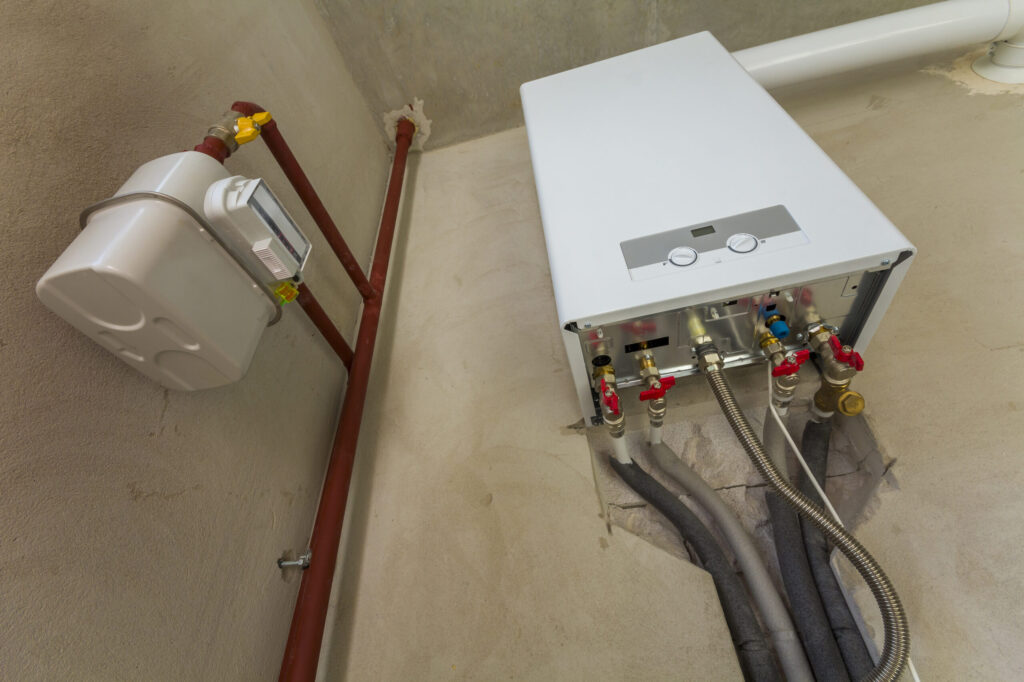
Flow rate is the heart of tankless sizing, and it tells you how many gallons of hot water the unit can deliver each minute. Every fixture in your home draws a certain amount of water, and a tankless heater must keep up with everything running at once. A standard shower uses around two gallons per minute, a kitchen faucet uses about one and a half, and a washing machine can pull two or more. When you add up the fixtures your family runs at the same time, you get the peak flow rate your unit must meet. A heater rated below that number will produce water that feels cooler than you want during busy mornings. Sizing too small is the most common complaint among homeowners who buy without professional help. A plumber adds up your realistic peak demand to find a unit that fits your daily routine. Getting this number right is what separates endless hot water from a disappointing shower.
Household size and habits shape the flow rate you actually need from a tankless water heater. A single person or a couple may be perfectly happy with a smaller unit that handles one or two fixtures at a time. A growing family that runs showers, laundry, and the dishwasher together needs a much larger unit or even more than one heater. Think about your busiest time of day and count how many hot water taps run at once during that window. It also helps to plan a few years ahead, since families grow and bathrooms get added. Buying slightly larger than your current need gives you breathing room without a huge jump in cost. A professional sizing visit removes the guesswork and keeps you from overspending on a unit that is far bigger than your home will ever use. Right sizing protects both your comfort and your budget at the same time.
Manufacturers list flow rates under ideal conditions, and those numbers can mislead shoppers who do not read the fine print. A unit advertised at a high gallons per minute rating only hits that figure when the temperature rise is small. As your incoming water gets colder, the very same unit produces less hot water per minute. This is why a heater that performs well in a warm climate may underperform during a cold Kansas winter. The honest way to size a unit is to combine your peak flow rate with your local temperature rise. Our team measures both so the rating you pay for matches the performance you actually receive. If you want a properly sized unit installed by licensed pros, visit our tankless water heater service page to get started. Honest sizing today saves you from frustration and added cost later.
Temperature Rise and a Tankless Water Heater for Kansas Homes
Temperature rise is the difference between the temperature of your incoming water and the temperature you want at the tap. Most households set their hot water around 120 degrees Fahrenheit for comfortable showers and clean dishes. The ground water entering a Kansas home runs cooler in winter and warmer in summer, which changes the work your unit must do. In the coldest months, incoming water can drop near 40 to 50 degrees, creating a temperature rise of roughly 70 degrees or more. That large gap forces the heater to work harder and lowers the gallons per minute it can deliver. A unit sized only for summer conditions will struggle once the weather turns cold. This is why a Kansas home needs a unit chosen with winter performance in mind from the start. Planning for the hardest season keeps your hot water steady all year long.
Many homeowners are surprised to learn how much the seasons affect tankless performance. A unit that delivers plenty of hot water in July may fall short in January simply because the incoming water is so much colder. The fix is not to buy the cheapest unit and hope for the best; it is to plan for your worst case temperature rise. A plumber who works in your area knows the local ground water trends and sizes accordingly. This local knowledge is one big reason professional installation beats a do it yourself guess from an online chart. Choosing a unit with a little extra capacity gives you a cushion during the coldest weeks of the year. That cushion means consistent showers even when several people use hot water back to back. Real comfort comes from a system built for the climate you actually live in.
Temperature rise also affects which fuel type makes the most sense for your home. Gas units generally handle large temperature rises better than electric units, which is part of why they suit bigger Kansas homes. An electric unit may need additional capacity or a second heater to match the same cold weather performance. Pairing the right fuel with the right size keeps your hot water reliable through every season. A professional load and flow calculation removes the guesswork and protects you from buying the wrong unit. Our licensed plumbers handle this math so your investment performs exactly as promised. When the numbers are done correctly, your tankless water heater quietly does its job no matter the date on the calendar. That peace of mind is worth far more than the small extra cost of proper sizing.
Comparing Tankless Water Heater Types for Your Home
Once you understand the core factors, the next step is comparing the main types of tankless water heaters on the market. The right type depends on your home size, your fuel supply, your budget, and how much hot water your family uses each day. Some units serve a single fixture, while others power an entire house from one spot. Some pull combustion air and vent gases, while others rely purely on electricity. Efficiency also varies, with certain models capturing extra heat that would otherwise escape up the vent. Understanding these categories helps you ask the right questions before you buy. The comparisons below cover the choices most homeowners face when they shop. Each option carries its own strengths and trade offs worth weighing carefully.
Gas Versus Electric Tankless Water Heater Options
The gas versus electric decision is the biggest fork in the road when choosing a tankless water heater. Gas units, fueled by natural gas or propane, generate intense heat that supports high flow rates for large homes. They cost more to install because they require venting and a properly sized gas line, yet they often deliver lower operating costs in homes with heavy hot water demand. Electric units skip the venting and usually cost less to buy, which makes them attractive for smaller spaces. The trade off is that whole house electric models draw heavy current and may force an electrical panel upgrade. Your existing fuel source often tips the decision one way or the other. A home already served by natural gas usually finds a gas unit the simpler path. A home with strong electrical service and modest hot water needs may do beautifully with an electric model.
Operating cost is a major part of the gas versus electric comparison. Natural gas is often cheaper per unit of energy than electricity, so gas units can cost less to run in busy households. Electric units convert nearly all their energy into heat, giving them strong efficiency on paper, but the price of electricity can still make them more expensive to operate over time. Local utility rates matter, and what saves money in one town may cost more in another. The up front price tells only part of the story, since the cheaper unit to install can be the pricier one to run for a decade. A good plumber walks you through both the purchase price and the long term operating cost. This full picture helps you choose a unit that fits your budget today and tomorrow. Spending a little time on this math pays off year after year.
Installation needs differ sharply between gas and electric tankless units, and those needs affect both cost and safety. Gas units must vent combustion byproducts, and that venting has to meet local code to protect your family from carbon monoxide. Electric units avoid venting but demand dedicated circuits and sometimes a larger electrical panel. Because both fuel types involve real safety stakes, professional installation is not optional. Our company handles the plumbing, the gas work, and the electrical work under one roof, which keeps your project simple and code compliant. If your home needs panel upgrades to support an electric unit, our licensed electricians can take care of it. This combined expertise is a major advantage when you are choosing between gas and electric. Doing the job right the first time protects your home and your investment.

Whole House Versus Point of Use Tankless Water Heater Setups
A whole house tankless water heater serves every fixture in your home from one central unit. This setup gives you a single point of control and works well for most families when the unit is sized correctly. A point of use unit, by contrast, sits close to a specific fixture and heats water only for that spot. Point of use units shine in places far from the main heater, such as a guest bathroom or a workshop sink. They reduce the wait for hot water because the water does not have to travel a long distance through cold pipes. Many homes use a whole house unit as the backbone and add a point of use heater where it makes sense. The right mix depends on your floor plan and how your family uses water during the day. A professional can map this out during a simple home visit.
Whole house units carry a higher up front cost but simplify your system by centralizing hot water in one place. They require careful sizing because a single unit must meet the peak demand of the entire home at once. When sized well, a whole house unit delivers smooth, reliable hot water to every tap. When sized poorly, it leaves distant fixtures waiting and cooling off during heavy use. This is exactly why professional sizing matters so much for a whole house setup. A plumber considers the number of bathrooms, the distance to each fixture, and your family routine. The result is a system that feels effortless instead of frustrating. Centralized hot water done right is one of the great comforts of a modern home.
Point of use tankless units solve specific problems rather than serving the whole home. They are perfect for an addition, a detached garage, or a fixture so far from the main heater that hot water takes forever to arrive. Because they handle only one or two fixtures, point of use units stay small and install in tight spaces. They cut down on wasted water and the energy lost while hot water travels through long pipe runs. Some homeowners install several point of use units instead of one large central heater, though that approach adds up in cost. The smarter move for most homes is a properly sized central unit with point of use support only where needed. Our team can help you decide which approach fits your home and your budget. The goal is hot water where you want it without paying for capacity you will never use.
Condensing Versus Noncondensing Tankless Water Heater Models
Condensing and noncondensing models describe how a gas tankless water heater handles the heat in its exhaust. A noncondensing unit vents hot combustion gases straight outside, which is simple but wastes some usable heat. A condensing unit captures that extra heat from the exhaust and uses it to preheat the incoming water. This recovery makes condensing units more efficient, which can lower your gas bills over time. Condensing units usually cost more to buy, yet the energy savings often make up the difference across the life of the unit. They also allow simpler, less expensive venting materials because the exhaust runs cooler. For many Kansas homes with steady hot water demand, a condensing unit is a smart long term value. The right choice depends on your usage and how long you plan to stay in the home.
Efficiency ratings help you compare these models, and the Uniform Energy Factor is the number to watch. A higher rating means the unit turns more of its fuel into usable hot water and wastes less. Condensing units carry higher efficiency ratings because they reclaim heat that a noncondensing unit sends up the vent. Over many years of daily use, that improved efficiency adds up to real savings on your energy bills. If lowering your monthly costs is a priority, a condensing unit deserves a close look. That said, a noncondensing unit can still be the right call for a home with lighter hot water use or a tighter budget. A plumber helps you weigh the up front cost against the long term savings. The best unit is the one that fits both your wallet and your daily needs.
Venting and condensate handling set these two model types apart during installation. Condensing units produce a mildly acidic condensate that must drain safely, which adds a small step to the install. Noncondensing units skip the condensate drain but require more heat resistant venting because their exhaust runs hotter. Both designs work well when a professional installs them to code. Trying to install either type without the right training risks venting errors that put your home at risk. Our licensed plumbers know the venting and drainage rules for both model types and follow them every time. This is one more reason to lean on professionals rather than guessing your way through a complex install. The right model installed the right way gives you years of dependable, efficient hot water.
Why You Need a Professional to Choose and Install Your Tankless Water Heater
Choosing the right tankless water heater is only half the job; installing it correctly is what makes it last. A unit that is sized perfectly can still fail early when the gas line, venting, or electrical work falls short. The trades involved often overlap, which is why a company that handles plumbing, gas, and electrical together holds a real advantage. Professional installation protects your warranty, your safety, and your investment for years to come. The sections below explain why expert help pays off and why local homeowners trust our team with the job. Making the right call here saves you money and stress down the road.
Professional Sizing Protects Your Tankless Water Heater Investment
Professional sizing is the foundation of a tankless water heater that performs the way you expect. A trained plumber calculates your peak flow rate and your local temperature rise instead of guessing from a generic chart. This careful math keeps you from buying a unit that is too small for busy mornings or too large for your real needs. The right size means endless hot water without paying for capacity you will never use. Our team treats sizing as the most important step in the entire project. Getting it right at the start saves you from costly corrections later.
A correct sizing visit also looks at your home as a whole, not just one number on a spec sheet. Our plumbers count your bathrooms, check your fixtures, and ask about your daily routine. They factor in how your family grows and how your hot water habits may change over time. This full picture leads to a unit that fits both today and the years ahead. Honest sizing means we never push you toward a bigger unit than your home truly needs. We focus on the unit that delivers the comfort you want at a fair price.
Skipping professional sizing is the leading cause of tankless disappointment among homeowners. People often buy online based on a flashy gallons per minute number, then wonder why their showers run cool in winter. The advertised rating rarely matches real world performance in a cold climate like ours. A professional protects you from this trap by matching the unit to your actual conditions. We size every unit for the hardest season so your hot water stays steady all year. That attention to detail is the difference between a happy customer and a costly do over.
Proper Installation Keeps Your Tankless Water Heater Safe
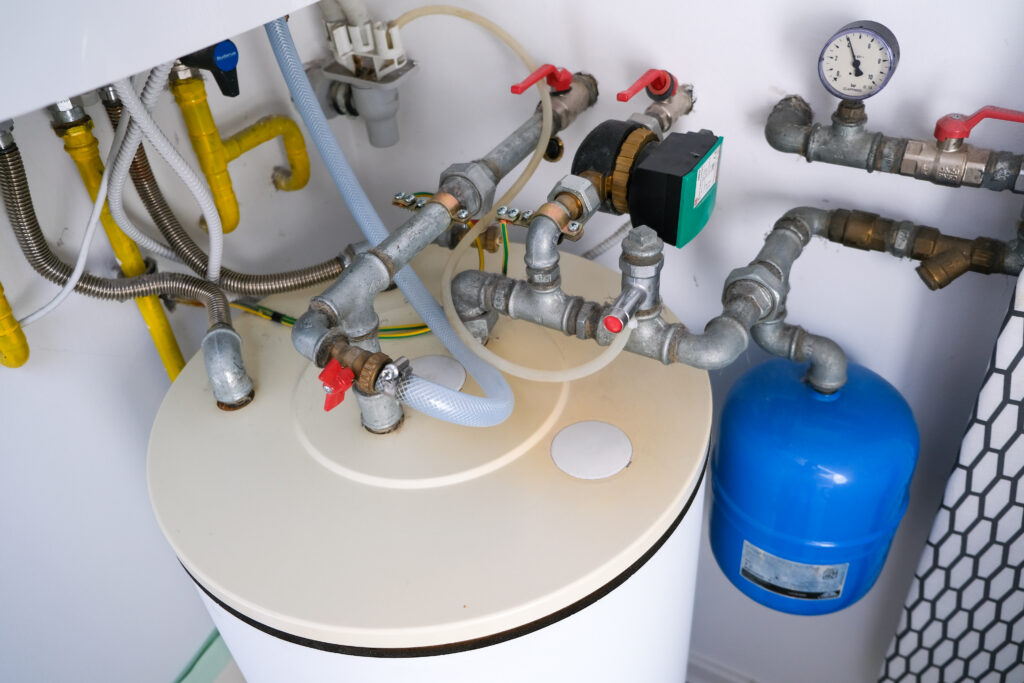
Proper installation is what turns a quality tankless water heater into a safe, lasting part of your home. Gas units must vent correctly to keep combustion gases out of your living space. Electric units need dedicated circuits and a panel that can carry the load. Both fuel types involve serious safety stakes that demand a trained professional. Our licensed technicians follow local code on every job to protect your family. Doing the work right the first time gives you confidence that your system is safe.
A professional install also protects the warranty that came with your unit. Most manufacturers require licensed installation and proper fuel supply to keep coverage valid. A rushed do it yourself job can void that warranty and leave you paying for repairs out of pocket. If your unit ever needs service, our team is ready to help; learn more on our water heater repair page. We document our work so your warranty stays intact and your investment stays protected. That paperwork matters as much as the wrenches and the wiring.
Beyond safety and warranty, proper installation simply makes your unit run better and last longer. Correct gas pressure lets the burner reach its full rated output. Clean electrical connections prevent the tripped breakers that plague rushed installs. Tight, code approved plumbing connections stop leaks before they start. Our team checks every detail so your unit performs at its best from day one. A careful install today means fewer service calls and lower costs for years to come.
Why Choose DC Electrical HVAC Plumbing for Your Tankless Water Heater
DC Electrical HVAC Plumbing brings plumbing, electrical, and gas expertise together under one roof, which is rare and valuable for a tankless project. Most tankless installs touch more than one trade, and using a single trusted company keeps your project simple and code compliant. We are OSHA 80 certified and EPA certified, so you can trust the quality and safety of our work. We proudly serve Lawrence, Kansas and the surrounding communities with honest, dependable service. Our technicians arrive on time and treat your home with respect. From the first estimate to the final test, we handle every step with care.
We believe in honest diagnostics with no sales pressure, so you always know exactly what your home needs and why. We offer free estimates on service and installation, which lets you plan your project with confidence. Financing is available for HVAC, electrical, and plumbing services, making a new tankless water heater easier to fit into your budget. Our 24/7 emergency service means help is there when you need it most. We never push you toward a unit that is bigger or pricier than your home requires. That straightforward approach has earned the trust of homeowners across the region.
When you are ready to upgrade, our team makes choosing and installing your tankless water heater easy from start to finish. We size your unit correctly, install it to code, and stand behind our work. You can reach us at (785) 596-3963 or email info@justcalldc.com to schedule your free estimate. Our office sits at 1856 E 600th Road in Lecompton, Kansas, right in the heart of the area we serve. We are dedicated to always providing a stellar service on every job, large or small. Call DC Electrical HVAC Plumbing today and enjoy endless hot water done the right way.