

Why Your Ceiling Fan Needs to Be Reversed Every Season
Your ceiling fan does more than push cool air in the summer. It also helps circulate warm air during cooler months when used correctly. Most homeowners never touch the small switch on the fan motor that changes the blade direction. That small adjustment can lower your energy bills and keep rooms feeling comfortable year-round. Spring is the perfect time to reset your ceiling fan for warmer weather. A quick flip of the switch gets your home ready for the season ahead. DC Electrical HVAC Plumbing, Inc helps homeowners across Lawrence and the surrounding areas get the most from their ceiling fans through proper installation and expert advice.
How Ceiling Fan Direction Affects Comfort and Energy Use
Ceiling fans work by moving air, not by changing its temperature. The direction the blades spin determines how that air moves through the room. In warm months, fans should spin counterclockwise to push cool air down. In cooler months, fans should spin clockwise at a low speed to pull cool air up and push warm air along the ceiling back down the walls. This simple change affects how comfortable you feel and how hard your HVAC system has to work. Understanding this seasonal switch can save you money while improving indoor comfort.
The Counterclockwise Ceiling Fan Direction for Warm Seasons
Counterclockwise rotation is the correct setting for spring and summer. When the blades spin this way, they push air straight down and create a wind chill effect on your skin. That breeze makes you feel several degrees cooler without lowering the actual room temperature. Many homeowners can raise their thermostat by four degrees and still feel just as comfortable. This takes pressure off your air conditioner and reduces wear on the system. Your cooling bills drop because the AC runs less often.
You can check the direction by standing under the fan and turning it on a medium or high speed. If you feel a noticeable breeze pushing down, the fan is set correctly for warm weather. If you feel very little air movement, the fan is likely spinning the wrong way. Most fans have a small toggle switch on the motor housing that changes the direction. Always turn the fan off and let it stop completely before flipping the switch. Some newer models use a remote or wall control to change direction without reaching up to the motor.
Running your ceiling fan counterclockwise only helps when people are in the room. Fans cool people, not spaces. Turn the fan off when you leave so you are not wasting electricity. Pairing the fan with your air conditioning allows you to raise the thermostat a few degrees without losing comfort. This combination reduces strain on the cooling system and extends its lifespan. Proper ceiling fan wiring also matters for safe operation; if your fan wobbles, hums, or fails to change direction, call a licensed electrician.
The Clockwise Ceiling Fan Direction for Cool Seasons
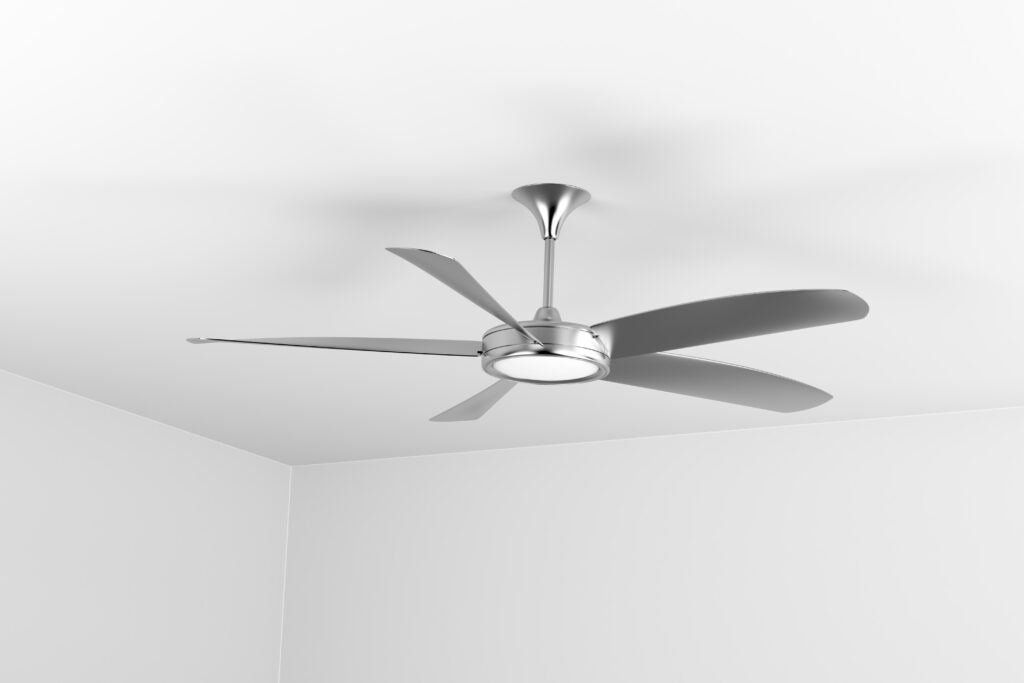
Clockwise rotation at a low speed is the right setting for fall and winter. Warm air naturally rises and collects near the ceiling, especially in rooms with high ceilings. A clockwise spinning fan gently pulls the cooler air at floor level upward. That upward pull forces the warm trapped air to move outward and down along the walls. The result is a more even room temperature from floor to ceiling. Your furnace does not have to work as hard to keep the space warm.
This setting is most useful in rooms with vaulted or tall ceilings where heat loss is a common issue. Run the fan on its lowest speed during winter months. A higher speed creates too strong of a draft and makes the room feel chilly instead of warm. You should not feel a direct breeze when the fan is set correctly for cold weather. The air circulation should be gentle and barely noticeable. This redistributes warm air without causing discomfort.
Using your ceiling fan in winter can lower heating costs by up to 15 percent in some homes. It also helps reduce hot and cold spots in large rooms. Rooms over garages or above unheated basements benefit most from this winter setting. If you have trouble keeping certain rooms warm, pair the ceiling fan change with a furnace inspection. Need furnace service or maintenance? Click here for our furnace services. Proper heating system care combined with ceiling fan use gives you the best winter comfort.
The Ceiling Fan Direction Switch Location and Function
The direction switch is usually a small black or silver toggle located on the side of the fan motor. You will need to look just above the blades where they meet the center housing. On older fans, this switch is a simple up-or-down lever. Newer models may include a pull chain option or a button on the remote control. Smart ceiling fans often allow direction changes through a phone app. Reading your fan manual will help you find the exact location if it is not obvious.
Before adjusting the switch, turn off the fan and wait until the blades come to a complete stop. Flipping the switch while the fan is running can damage the motor. Use a sturdy ladder or step stool to reach the switch safely. Never stand on furniture or try to adjust a running fan. Once the switch is flipped, turn the fan back on and watch the blade rotation from below. You should see a clear change in direction.
If the switch is stuck, missing, or does not change the rotation, the fan may need repair. A broken direction switch often means the internal wiring needs attention. Forcing a stuck switch can cause further damage to the motor. A licensed electrician can replace the switch or the entire motor housing when needed. DC Electrical HVAC Plumbing, Inc offers professional ceiling fan installation and repair services. Our team handles everything from wiring upgrades to full replacements with precision and care.
How to Reverse Your Ceiling Fan Safely Each Season
Reversing your ceiling fan takes only a few minutes when done correctly. The process is simple, but safety matters every step of the way. Turning off the power at the switch is the first and most important step. You should also allow the blades to come to a complete stop before touching the fan. A sturdy step ladder gives you the reach you need without putting yourself at risk. Following these steps helps protect both you and the fan.
The Safest Way to Reverse Your Ceiling Fan at Home
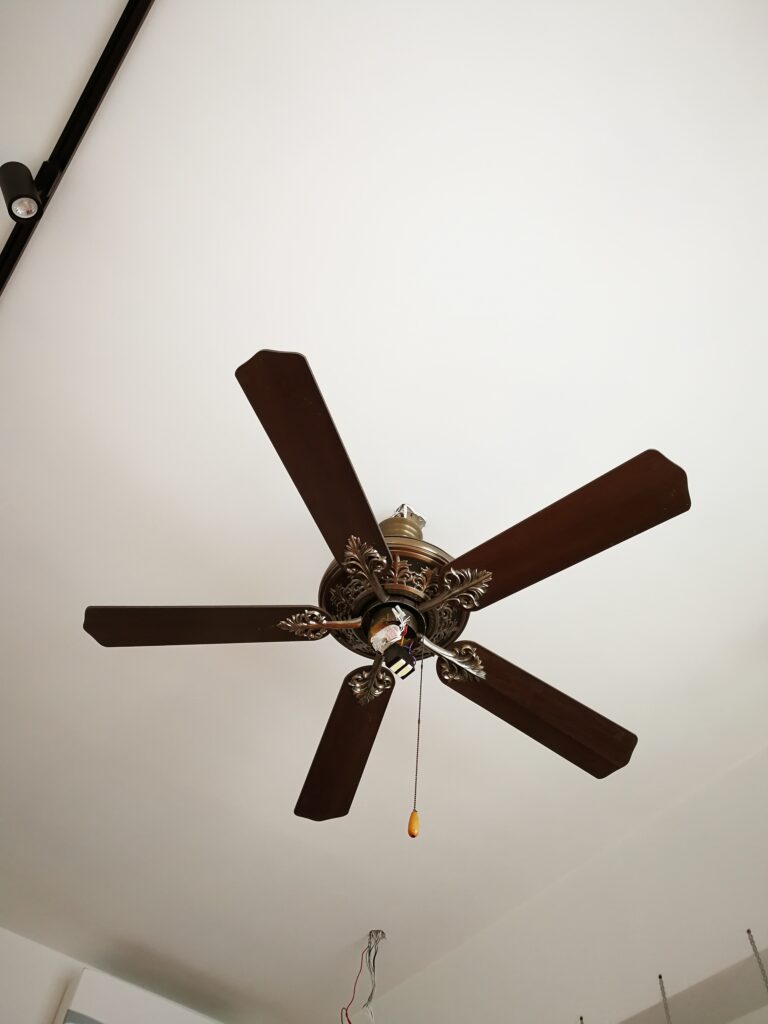
Start by turning the fan off at the wall switch or with the remote. Wait for the blades to stop spinning completely before climbing up to the fan. A spinning fan blade can cause injury if it catches your hand or arm. Set up a step ladder directly under the fan on a flat, stable surface. Never use a wobbly chair or stacked furniture as a substitute for a ladder. Have a second person steady the ladder for extra safety.
Once you are close enough, locate the small toggle switch on the fan motor. Flip the switch in the opposite direction from where it currently rests. Step down from the ladder before turning the fan back on. Test the new direction by running the fan at medium speed and watching the blades. If the direction did not change, check the switch again to make sure it was fully flipped. Some switches need firm pressure to move all the way.
If you have a fan controlled by a remote or smart app, follow the device instructions instead. Most modern remotes have a clearly labeled reverse button. Smart apps usually include a direction option in the settings menu. If your remote or app does not work, the receiver inside the fan may need replacement. DC Electrical HVAC Plumbing, Inc can diagnose and repair ceiling fan controls quickly. Our electricians handle both manual and smart fan systems with care.
The Ceiling Fan Reversal Mistakes to Avoid
Never try to reverse a fan that is still spinning. Even a slowly turning blade can cause injury or damage the direction switch. Always cut power at the wall before doing any work on the fan. Some homeowners skip this step and end up shocked by a short circuit. A properly wired fan should not have live parts exposed, but mistakes in wiring do happen. Treating every fan as potentially live is the safer approach.
Do not use force if the switch feels stuck. A jammed toggle usually means the internal mechanism is worn or broken. Prying or pushing too hard can snap the switch housing. A broken switch may also expose internal wires that should stay insulated. If the switch does not move freely, stop and call a professional. A licensed electrician can open the fan safely and repair or replace the part.
Avoid adjusting fans mounted on very high ceilings without proper equipment. Bedrooms with standard ceilings are easy to manage, but vaulted ceilings often require extension ladders. Falls from height are one of the most common home injuries. If the fan is too high to reach safely, schedule professional service. Need help with your ceiling fan? Click here for our ceiling fan installation service. We handle high mount fans and difficult installations with the right tools and training.
The Ceiling Fan Maintenance Checklist for Each Season
Each seasonal direction change is a good time to inspect the rest of the fan. Dust builds up quickly on blades and can affect balance. Wipe each blade with a soft cloth or a pillowcase to catch the dust. Check that all blades are tight against the motor housing and not loose. A wobbling fan usually means one or more blade screws need tightening. Loose hardware causes noise and shortens the motor life.
Listen for any humming, grinding, or clicking sounds during operation. These noises often point to worn bearings or loose internal parts. Catching problems early prevents larger repair costs later. Take note of any flickering lights on the fan fixture. Light flicker often means the wiring connection is loose or aging. A professional electrician can inspect and correct these issues safely.
Check the mounting bracket and downrod for signs of movement. A secure bracket holds the fan steady on the ceiling and prevents falls. Fans that sway or swing when running should be taken down and reinstalled. Proper installation prevents injury and property damage. Our team at DC Electrical HVAC Plumbing, Inc provides full ceiling fan inspections, maintenance, and repair. Regular checks keep your fan working well for many years.
Why You Need Professional Ceiling Fan Service in Lawrence, KS
A ceiling fan that works well keeps your home comfortable in every season. Over time, fans can develop wiring issues, motor wear, or mounting problems. Professional service ensures your fan stays safe and runs efficiently. DIY repairs on electrical fixtures can lead to shocks, fires, or code violations. Trusting a licensed electrician protects your home and family. DC Electrical HVAC Plumbing, Inc offers full-service ceiling fan care across Lawrence and nearby towns.

The Right Time to Call a Licensed Electrician for Your Ceiling Fan
Flickering lights, strange noises, or a fan that wobbles too much all point to a service need. These signs suggest the motor, wiring, or mounting is failing. Ignoring them can cause the fan to fall or start an electrical fire. A licensed electrician can test each part and find the root cause. Most repairs take less time than homeowners expect. Acting early prevents larger problems and costly damage.
Older homes often have outdated wiring that struggles to support modern fans. Aluminum wiring, worn junction boxes, and ungrounded circuits all create safety risks. An inspection can catch these issues before they cause harm. Our electricians handle rewiring, grounding upgrades, and safe fan mounting. We bring every installation up to current code standards. This protects your investment and your household.
New ceiling fans work best when installed by a trained professional. Many models require specific electrical boxes rated for fan support. Standard ceiling boxes cannot hold the weight and movement of a fan. Improper installation leads to falling fans and broken fixtures. Our team uses the correct brackets, boxes, and wiring every time. You can count on a safe, secure fit that lasts for years.
The Benefits of Seasonal Electrical Service in Your Home
Seasonal electrical checks keep your home running smoothly all year. Spring and fall are ideal times for a quick inspection. Our technicians test outlets, switches, breakers, and fixtures during each visit. Small issues are corrected before they turn into bigger repairs. This kind of preventive care saves money and extends the life of your electrical system. Homes in Lawrence and surrounding areas benefit from this routine care.
A seasonal check also catches wear from weather changes. Storms, heat, and cold can stress outdoor wiring and breaker panels. Inspecting these areas before each season keeps your power supply strong. We test ground fault outlets, arc fault breakers, and outdoor fixtures during every visit. Each part gets a careful review for safety and code compliance. You gain peace of mind knowing your home is ready for the season.
Home electrical needs grow with new appliances and remodels. An extra fan, new lighting, or a kitchen upgrade can overload older circuits. Our electricians measure your load and recommend upgrades when needed. Need help with electrical upgrades? Click here for our electrical services. We handle panels, wiring, outlets, and fixtures with full licensing and insurance.
The Reason to Choose DC Electrical HVAC Plumbing, Inc for Ceiling Fan Work
DC Electrical HVAC Plumbing, Inc brings honest, skilled service to every home we visit. Our team holds OSHA 80 and EPA certifications for electrical and mechanical work. We offer free estimates on all service and installation calls. Financing is available for larger projects, so budget is never a barrier. Every technician arrives on time, ready to work, and focused on doing the job right. You can count on straightforward pricing with no sales pressure.
We serve Lawrence, KS and the surrounding communities with pride. Our long list of service areas includes Topeka, Olathe, Overland Park, Shawnee, and many more. Emergency service is available 24 hours a day for urgent electrical needs. Our office staff answers quickly and schedules service fast. We treat every home with care and respect, from the first call to the final check.
Our focus on quality keeps customers coming back year after year. We handle ceiling fan installation, repair, wiring upgrades, and safety inspections. Every job is backed by our commitment to stellar service and honest diagnostics. Call DC Electrical HVAC Plumbing, Inc at (785) 596-3963 for trusted electrical care. Reach us by email at info@justcalldc.com or visit us at 1856 E 600th Road Lecompton, KS 66050. Let our team keep your ceiling fans and home electrical systems running strong all year.