
Why Your Garbage Disposal Stops Working After Big Meals
Big family dinners and holiday gatherings put serious stress on your garbage disposal. After hours of food prep and cleanup, many homeowners flip the switch only to hear silence or a frustrating hum. The garbage disposal works hard during these meals, grinding through scraps, peels, and leftovers that often exceed what the unit can handle. Overloading is one of the top reasons disposals quit after large meals. Understanding why this happens helps you avoid costly repairs and keeps your kitchen running smoothly. Spring entertaining season brings these issues to the surface, especially with graduations and Mother’s Day gatherings on the calendar. A little knowledge goes a long way in protecting your disposal investment.
Common Reasons a Garbage Disposal Stops Working After Big Meals
Several specific issues cause garbage disposals to fail right when you need them most. The volume of food waste during big meals often pushes units past their designed capacity. Certain food types create jams, clogs, and motor strain that smaller daily loads never trigger. Knowing the most common causes helps you respond quickly and prevents permanent damage to the motor. Each issue has telltale signs that point to the real problem. Spotting these signs early can save you from a full unit replacement.
A Garbage Disposal Stops Working Because of Overloading
Overloading happens when too much food enters the disposal at once. The grinding chamber has limited space, and packing it full slows the motor and prevents proper grinding. During big meals, people scrape plates rapidly without running enough water, which compounds the problem. The motor heats up quickly under this stress, and the internal thermal overload switch trips to protect the unit from burning out. This shutdown is a built-in safety feature, not a sign the disposal is broken.
When the thermal overload trips, the disposal goes silent and refuses to start. Pressing the reset button on the bottom of the unit restores power once the motor cools down. Waiting ten to fifteen minutes before pressing reset gives the motor time to recover safely. Hitting reset too soon can cause the breaker to trip again or shorten the life of the motor. Cold water also helps cool the unit and flush remaining debris through the drain line.
Preventing overloads starts with feeding food into the disposal in small batches. Run cold water before, during, and after grinding to push waste through the system. Avoid dumping plate scrapings all at once, especially during cleanup after big meals. Pause between batches to let the disposal fully clear before adding more. Teaching everyone in the household these habits keeps the unit running for years longer than disposals that get abused on busy nights.

A Garbage Disposal Stops Working Due to Tough Food Items
Certain foods cause major problems for garbage disposals, even though they seem harmless. Fibrous items like celery, corn husks, and artichoke leaves wrap around the impellers and stop the grinding action. Starchy foods such as potato peels and pasta expand with water and create thick paste that clogs the drain line. Bones, fruit pits, and shells damage the grinding components and dull the cutting edges over time. Grease and oil cool inside the pipes and trap other waste, leading to slow drains and backups.
Coffee grounds deserve special mention because many people assume they help clean the disposal. In reality, coffee grounds collect in the trap and form sludge that blocks water flow. Eggshells create similar problems despite the old myth that they sharpen the blades. Disposals do not actually have blades; they have impellers that grind food against a stationary ring. Putting the wrong items down the drain wears these parts out faster and increases the risk of complete failure.
Knowing what belongs in the trash versus the disposal protects your plumbing system. Soft food scraps like cooked vegetables, small fruit pieces, and rice in moderation work fine when paired with plenty of cold water. Hard, fibrous, and starchy items belong in the compost or trash bin. After big meals, take a moment to scrape plates into the trash before rinsing them in the sink. This simple habit prevents most of the calls we get for clogged disposals during holiday and party seasons.
A Garbage Disposal Stops Working from Jammed Components
Jams happen when an object lodges between the impellers and the grinding ring. The motor cannot turn, so the unit hums without spinning. Continued attempts to run a jammed disposal burn out the motor and trip the circuit breaker. Common culprits include silverware, bottle caps, twist ties, and small bones that fall in unnoticed during meal prep. Children’s toys and jewelry sometimes end up in the disposal too, especially in busy households.
Clearing a jam requires turning off the power at the wall switch and the breaker before doing anything else. Most disposals come with a hex wrench that fits into the bottom of the unit. Inserting the wrench and rocking it back and forth manually frees the impellers and dislodges the obstruction. Never put your hand inside the disposal, even when the power is off. Use tongs or pliers to remove visible objects from the grinding chamber.
Repeated jams point to deeper issues like worn impellers, a failing motor, or improper installation. A disposal that jams every few weeks needs professional attention before it fails completely. Need help with a stubborn jam or a disposal that keeps quitting? Click here for our garbage disposal repair service. Our team handles tough jams quickly and identifies whether repair or replacement makes more sense for your situation.
How to Prevent Your Garbage Disposal from Stopping During Big Meals
Smart habits and regular maintenance keep your garbage disposal running through the busiest cooking days. Most failures come from preventable mistakes that build up over months of use. Big meals magnify these problems because the disposal works harder in a shorter time frame. Building good kitchen routines reduces the load on your unit and extends its lifespan. Prevention costs nothing compared to emergency repairs or replacement.
Preventing a Garbage Disposal from Stopping with Proper Use
Running cold water for at least thirty seconds before, during, and after each use makes a huge difference. Cold water keeps fats and grease solid so they grind up and flush through the pipes. Hot water melts grease, which then coats the inside of the drain line and causes clogs further down. Strong water flow carries food particles through the trap and into the main drain. Without enough water, debris settles and creates blockages over time.
Feeding food into the disposal slowly prevents overloading and gives the motor time to grind effectively. Drop small amounts at a time and listen for the motor to clear before adding more. Pushing too much food in at once stalls the impellers and trips the overload switch. During big meals, designate one person to run the disposal in batches between courses or after groups of guests finish eating. Spreading the work over time prevents the unit from getting overwhelmed all at once.
Avoiding harmful items remains the single best habit for disposal longevity. Keep a small bowl or compost bin on the counter for items that should not go down the drain. Bones, fruit pits, fibrous vegetables, and large starchy peels belong in the trash. Pasta, rice, and bread expand in water and should be tossed rather than ground. Building these habits into your daily routine prevents most disposal failures and keeps your kitchen sink draining freely.
Preventing a Garbage Disposal from Stopping with Regular Cleaning
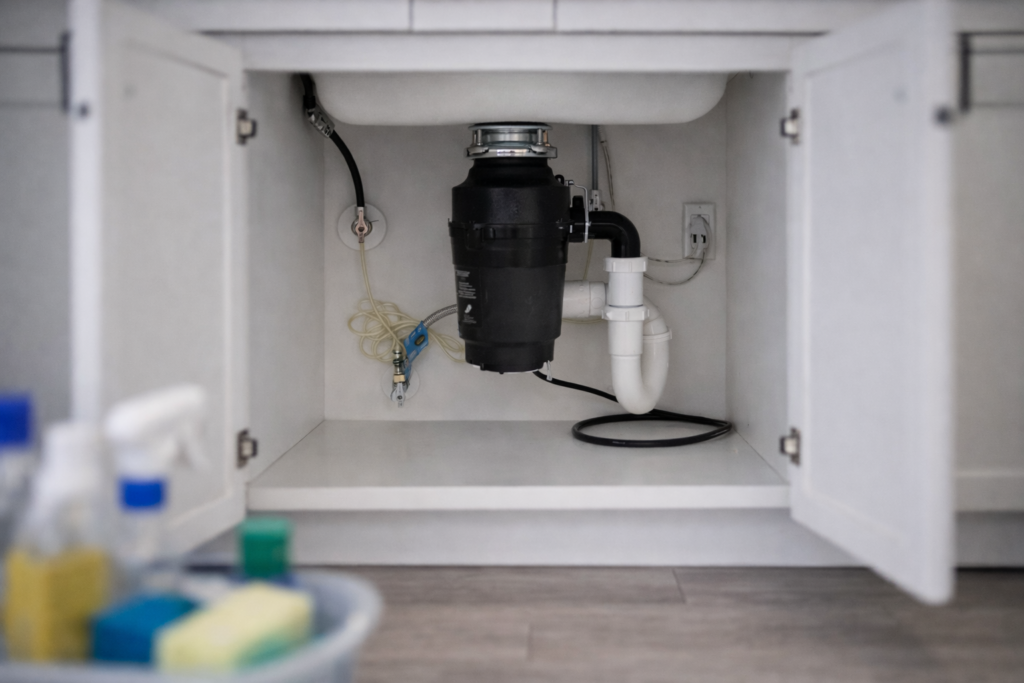
Regular cleaning keeps the grinding chamber free of buildup and odors. Food residue collects on the impellers and the inside of the splash guard over time. This buildup feeds bacteria and creates the bad smells that come from the drain. Cleaning the disposal once a week with cold water and a small amount of dish soap removes most of this residue. Run the disposal for thirty seconds while the soapy water flows through the unit.
Ice cubes are an effective cleaning tool that breaks up debris stuck to the impellers. Drop a tray of ice cubes into the disposal and run it with cold water until the ice is gone. The hard ice scrapes the chamber clean and dislodges trapped food particles. Adding a handful of rock salt with the ice boosts the cleaning action and helps eliminate odors. Citrus peels like lemon or orange add a fresh scent and natural acids that cut through grease.
Avoid using bleach or harsh chemical drain cleaners in your disposal. These products damage rubber seals, corrode metal parts, and shorten the life of the unit. Commercial drain cleaners can also harm pipes downstream and create hazardous fumes. Stick with simple, safe cleaning methods that protect both the disposal and your plumbing. A clean disposal runs more efficiently, lasts longer, and handles big meals without trouble.
Preventing a Garbage Disposal from Stopping with Annual Inspections
Annual inspections catch small problems before they turn into expensive failures. A trained technician checks the motor, impellers, mounting hardware, and electrical connections during a thorough inspection. Loose mounting brackets cause vibration that wears out internal components. Worn impellers reduce grinding efficiency and increase the chance of jams. Catching these issues early saves money and prevents disposal breakdowns during the worst possible times.
Inspections also reveal hidden plumbing problems connected to the disposal. The drain line under the sink can develop leaks that go unnoticed until water damage appears in the cabinet. Slow drains often start at the disposal trap and need clearing before they cause backups. Checking the dishwasher drain hose connection makes sure waste flows properly between the two appliances. Many disposal issues actually start with related plumbing components rather than the unit itself.
Want to schedule a thorough check of your kitchen plumbing? Click here for our leak detection services. Catching small leaks and slow drains early protects your home from water damage and keeps your disposal working its best. Our technicians inspect the entire kitchen plumbing system during each visit and recommend repairs based on what we find.
Why You Need Professional Help for Garbage Disposal Problems
Some garbage disposal issues need professional repair to fix safely and correctly. Electrical components, motor problems, and serious clogs go beyond basic homeowner troubleshooting. Trying to fix complex issues without the right tools or knowledge often makes the problem worse and creates safety hazards. Calling a licensed plumber and electrician saves time, money, and frustration in the long run. Getting it right the first time matters when your kitchen depends on a working disposal.
Why You Need Professional Garbage Disposal Repair Services
Professional repair services have the diagnostic tools to find the real cause of disposal failures. A multimeter tests electrical continuity and identifies bad switches, faulty wiring, or motor failures. Specialized augers clear deep clogs that household tools cannot reach. Technicians know the difference between a simple jam and a motor that has reached the end of its life. This knowledge prevents wasted money on repairs that will not solve the problem.
Licensed plumbers also handle the connected plumbing safely and to code. The drain line, P-trap, and dishwasher connection all need proper installation to prevent leaks and backups. Mistakes in these areas lead to water damage, mold growth, and bigger repair bills. A professional repair includes inspecting these components and fixing any issues that contributed to the original problem. Complete repairs last longer and prevent repeat failures.
Quick response times matter when your disposal stops working after a big meal. A pile of food waste in a non-working disposal creates odors and attracts pests fast. Professional repair services prioritize these calls and arrive ready to fix the problem in one visit. Bringing the right parts and tools on the first trip saves you from days of waiting with a broken sink. This level of service makes a real difference for busy households.
Why You Need Professional Garbage Disposal Installation Services
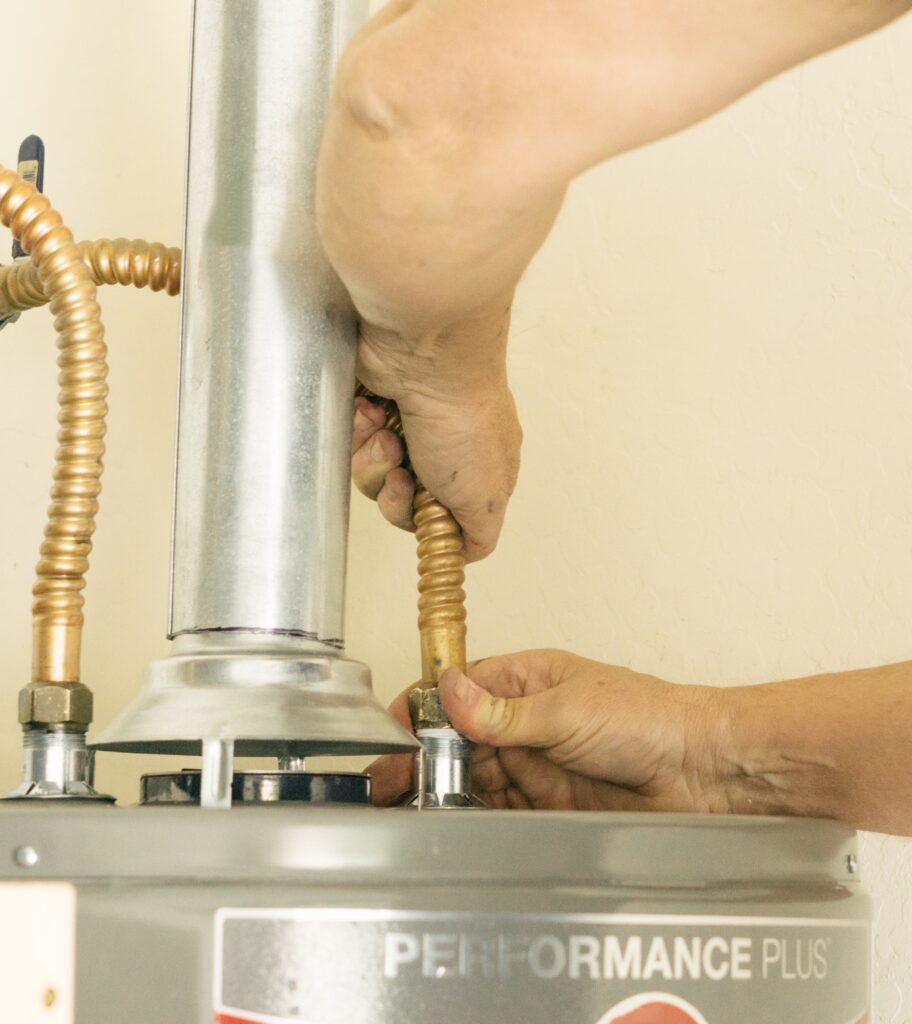
Proper installation prevents most disposal problems before they start. The mounting assembly needs to be tight and level to prevent leaks at the sink flange. Electrical connections must meet local code and include proper grounding for safety. The drain line requires correct slope and secure connections to prevent backups. A professional installation gets all of these details right the first time.
Sizing the right disposal for your household is another area where professionals add value. Small horsepower units cannot handle large families or frequent entertaining. Oversized units waste energy and cost more than needed for small households. Matching the disposal to your usage patterns gives you reliable performance without overspending. Professional installers know which models hold up best in real-world conditions and help you pick the right one.
Need a new disposal installed correctly the first time? Click here for our garbage disposal installation service. Our technicians handle every part of the installation, from removing the old unit to testing the new one for proper operation. We make sure everything works perfectly before we leave your home.
Why Choose DC Electrical HVAC Plumbing for Your Garbage Disposal Needs
DC Electrical HVAC Plumbing brings combined expertise in electrical and plumbing work to every disposal job. Most disposal problems involve both systems, and our team handles both under one roof. This integrated approach means faster diagnosis, cleaner repairs, and no finger-pointing between separate contractors. We solve the whole problem in one visit and stand behind our work.
Honest diagnostics with no sales pressure has been part of our company since day one. We tell you exactly what is wrong and give you straight options for fixing it. You decide what makes sense for your budget and your home. Free estimates on service and installation make it easy to plan repairs without surprise costs. Financing options are available for larger projects when you need them.
Serving Lawrence, KS and surrounding communities, our team is OSHA 80 Certified and EPA Certified for your safety and peace of mind. We offer 24/7 emergency service for those moments when the disposal fails right after dinner with guests at the house. Call us at (785) 596-3963 or email info@justcalldc.com to schedule service or ask questions. We look forward to keeping your kitchen running smoothly through every season.