
What Causes Low Water Pressure in Your Home
Low water pressure can turn simple daily tasks into frustrating chores. Showers feel weak, dishwashers run longer, and filling a pot takes forever. Spring is a common time to notice pressure problems because homes get heavier use after winter, and plumbing issues often surface once outdoor spigots come back into service. Understanding the root cause helps you decide when to try a quick fix and when to call a licensed plumber. The team at DC Electrical HVAC Plumbing, Inc. has seen every type of water pressure problem across Lawrence and the surrounding communities. This guide breaks down the most common causes so you can diagnose the issue and restore strong, steady flow throughout your home.
Common Causes of Low Water Pressure in Your Home
Water pressure issues usually trace back to one of a few sources inside or outside the home. The problem could be as simple as a partially closed valve or as serious as a hidden leak inside a wall. Pinpointing the cause starts with checking where the low pressure shows up. If only one fixture is affected, the issue is likely local to that fixture. If the entire home has weak flow, the problem sits somewhere in the main supply line, pressure regulator, or municipal service. Knowing these patterns helps homeowners act quickly before small issues grow into costly repairs.
Clogged Pipes Causing Low Water Pressure in Your Home
Mineral buildup is one of the top reasons for low water pressure in your home. Hard water deposits calcium and magnesium along the inside walls of pipes over time. As these layers thicken, the internal diameter of the pipe shrinks, which restricts flow. Older galvanized steel pipes are especially prone to this problem because corrosion and scale develop faster than in copper or PEX. You may notice the issue getting worse slowly over several months or years rather than overnight.
Sediment from the municipal supply can also collect inside pipes and fixtures. Small particles of rust, sand, or scale travel through the water system and settle in bends, aerators, and shutoff valves. Once enough material builds up, flow drops noticeably at sinks, showers, and appliances. Cleaning aerators and showerheads is a good first step, since these clog before the pipes themselves do. If cleaning fixtures does not restore pressure, the blockage sits deeper in the system.
Severe clogs often require professional descaling or repiping. A plumber can flush the lines, replace corroded sections, or recommend a full repipe if the system is near the end of its life. Need help with clogged or aging pipes? Click here for our repiping service. Catching clogs early saves you from bigger problems like burst pipes, stained fixtures, and damaged appliances. Regular plumbing inspections help identify buildup before it cripples your water pressure.
Faulty Pressure Regulators and Low Water Pressure in Your Home
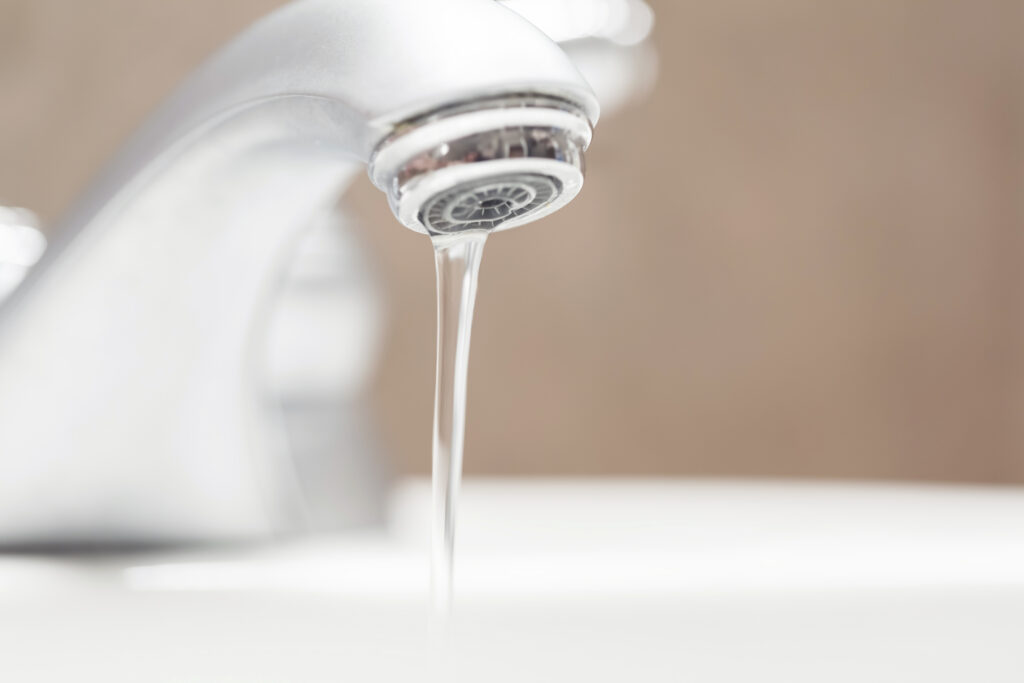
The pressure regulator is a valve that controls the force of water entering your home from the municipal supply. It sits near the main shutoff, usually where the water line enters the house. When this valve fails, pressure can drop across every fixture at once. A regulator set too low may have simply drifted out of adjustment, while a worn-out unit may need full replacement. Most regulators last between 10 and 15 years before internal parts wear out.
You can often spot a failing regulator by testing pressure with a gauge on an outdoor spigot. Normal residential pressure sits between 45 and 80 psi. Readings under 40 psi point to a regulator issue or a supply problem. Sudden drops in pressure, fluctuations throughout the day, or loud banging sounds in the pipes also suggest regulator trouble. These symptoms should not be ignored because a stuck regulator can also cause dangerously high pressure that damages appliances.
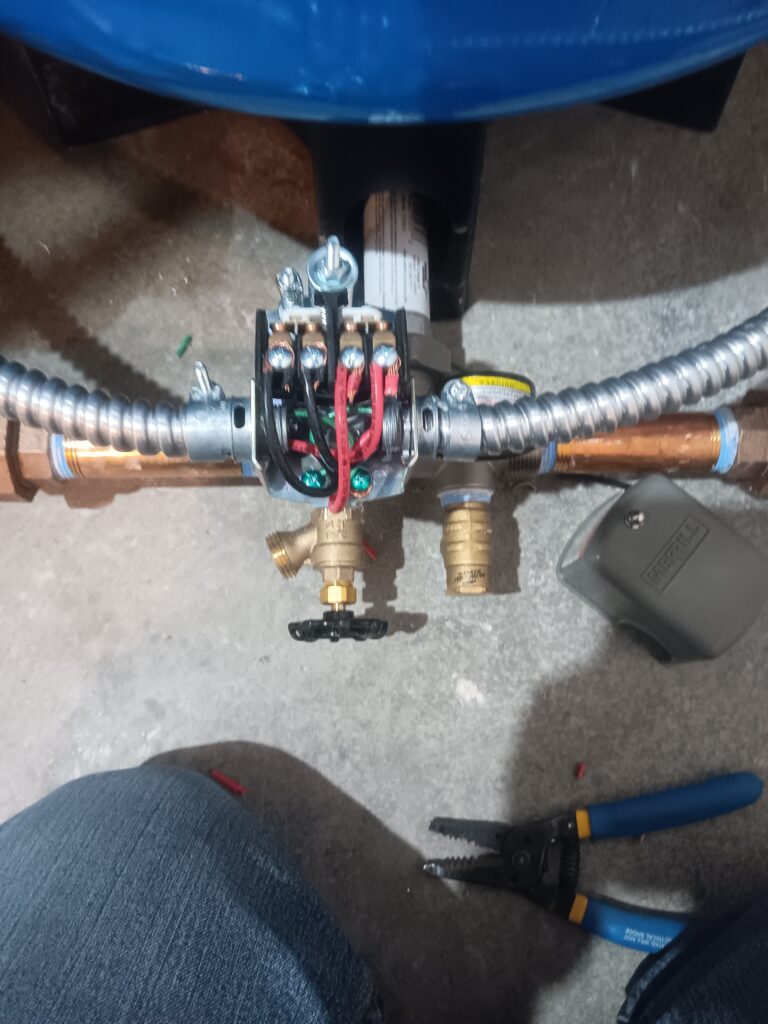
Replacing a pressure regulator is a job for a licensed plumber. The work involves shutting off the main water supply, cutting into the line, and installing a new valve with the correct pressure setting. A professional can also check for related problems like expansion tank failure or water hammer. Scheduling an inspection early prevents pinhole leaks, cracked fittings, and ruined water heaters. A properly working regulator keeps your entire plumbing system safe and efficient.
Hidden Leaks Creating Low Water Pressure in Your Home
Hidden leaks quietly steal water and drag down pressure throughout your home. A pinhole leak in a copper line, a cracked fitting behind a wall, or a failing slab pipe can all reduce flow before you ever see water damage. Warning signs include a spinning water meter when no fixtures are running, damp spots on walls or floors, and unexplained spikes in your water bill. Musty odors and warped flooring also suggest water is escaping somewhere it should not be. The longer a leak runs, the more structural damage it causes.
Outdoor leaks between the meter and the house can also cause low water pressure in your home. Tree roots, shifting soil, and aging service lines all contribute to underground failures. If the yard has soft spots, unusually green patches, or water pooling with no clear source, the main service line may be leaking. These leaks often go undetected for weeks because they drain into the ground rather than into the home. A professional leak detection service uses acoustic equipment and pressure testing to locate the exact problem area.
Early detection saves thousands of dollars in repairs and water loss. Suspect a hidden leak? Click here for our leak detection service. Our technicians use non-invasive tools to find leaks without tearing up walls or yards. Once located, we repair the damaged section and restore proper pressure to every fixture. Acting fast also prevents mold growth, foundation issues, and insurance headaches down the road.
Fixture and Supply Issues Causing Low Water Pressure in Your Home
Sometimes low water pressure in your home has nothing to do with pipes or regulators. The problem may sit inside a specific fixture, appliance, or the municipal supply itself. Ruling out these sources early saves you time and money before calling a plumber. Start by testing multiple faucets throughout the house to see if the issue is isolated or widespread. If only one or two fixtures are affected, the fix may be simple and quick.
Clogged Aerators and Showerheads Causing Low Water Pressure in Your Home
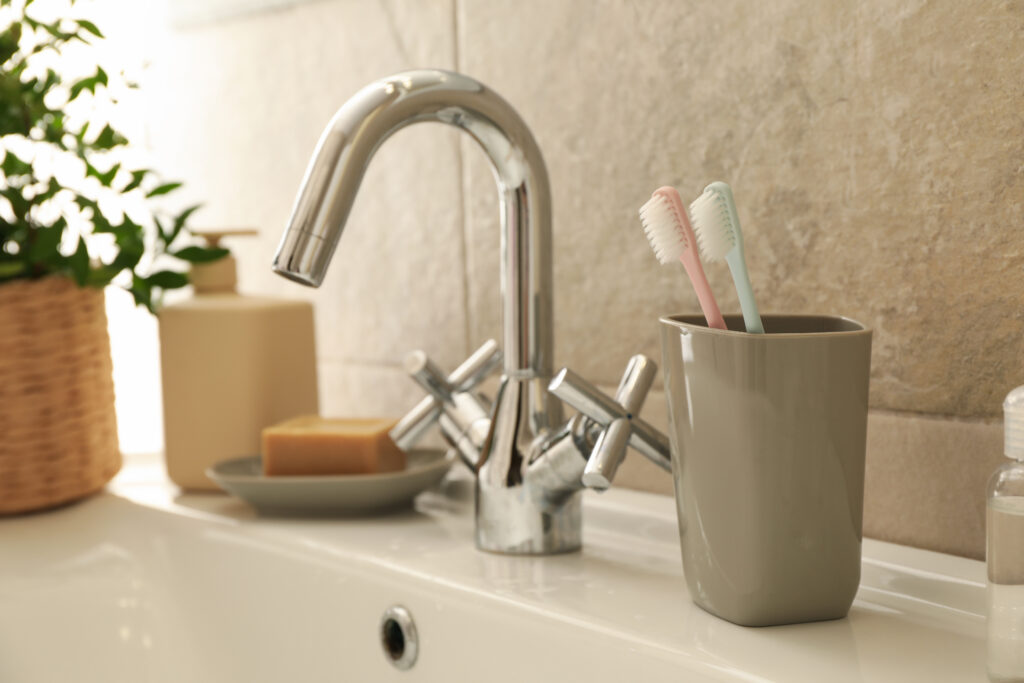
Aerators are small mesh screens at the tip of every faucet that mix air with water for a smooth stream. Over time, these screens collect mineral deposits, rust flakes, and debris from the supply line. Once clogged, they drastically reduce flow even when the rest of the system is fine. Unscrewing the aerator and soaking it in white vinegar usually dissolves the buildup within an hour. Rinse thoroughly, reinstall, and test the flow to see if the problem is solved.
Showerheads suffer from the same issue, especially in homes with hard water. You might notice uneven spray patterns, water shooting sideways, or a weak overall stream. Many showerheads unscrew easily for cleaning, and a vinegar soak works just as well as it does for aerators. For stubborn buildup, a soft brush or toothpick clears the individual spray holes. Replacement heads are affordable and install in minutes if cleaning fails to improve flow.
If every fixture still has weak pressure after cleaning, the problem sits further upstream. That points to a supply line, regulator, or pipe issue rather than the fixture itself. Checking fixtures first is smart because it is the cheapest and fastest diagnostic step. Homeowners can handle most aerator and showerhead cleanings without tools or plumbing experience. When cleaning does not work, it is time to look at the bigger plumbing system.
Municipal Supply Problems and Low Water Pressure in Your Home
Sometimes the cause of low water pressure in your home sits outside your property line. Municipal water suppliers occasionally lower pressure during maintenance, repairs, or high-demand periods. Hydrant flushing, main line breaks, and construction projects can all temporarily reduce service. Neighbors experiencing the same issue is a strong sign the problem is utility-related rather than household-related. Calling the local water department confirms whether scheduled work or an outage is responsible.
Seasonal demand also plays a role in municipal pressure. Summer and spring often bring lower pressure because of widespread lawn watering, pool filling, and irrigation use across the area. Early morning and evening are peak demand times when many households run water at once. Homes at the end of a supply line or at higher elevations feel these drops more than others. Installing a booster pump helps when your address is known for chronically low municipal pressure.
If the utility confirms normal pressure at the street but your home still runs weak, the issue is on your side of the meter. That narrows the problem to the service line, regulator, or internal plumbing. A licensed plumber can test pressure at the meter and at key points inside the home. This helps isolate the exact section of the system that needs attention. Once identified, the repair is usually straightforward and restores proper flow.
Partially Closed Valves and Low Water Pressure in Your Home
Shutoff valves control the flow of water into different parts of your plumbing system. The main shutoff valve at the meter or where the line enters the home is the most important one to check. If this valve is even partially closed, pressure drops across the entire house. Valves sometimes get bumped during basement work, moved by mistake, or left partly closed after a repair. Turning the valve fully counterclockwise restores maximum flow in most cases.
Individual fixture shutoffs under sinks and behind toilets can also cause localized pressure issues. These small valves corrode, seize, or get turned accidentally over time. If one sink has weak flow while the rest of the house is fine, check the shutoff valves under that fixture first. Turn them fully open and test the flow again. Stuck or leaky shutoffs should be replaced to prevent bigger problems later.
The main water meter valve at the street is another point to check, especially after utility work. Some homes have a pressure-reducing valve that also acts as a shutoff. A plumber can verify every valve is fully open and functioning properly. Professional inspection is the safest route because forcing old valves can break them and cause flooding. Regular valve maintenance keeps your entire plumbing system reliable year after year.
Why You Need Professional Help Fixing Low Water Pressure in Your Home
Low water pressure is rarely just an annoyance. It often signals a deeper plumbing problem that will get worse without attention. DIY fixes work for small issues like clogged aerators, but hidden leaks, failing regulators, and corroded pipes need professional tools and training. Waiting too long turns minor repairs into major replacements. A licensed plumber diagnoses the real cause and fixes it right the first time.
Accurate Diagnosis for Low Water Pressure in Your Home
Pinpointing the true cause of low water pressure in your home takes experience and the right equipment. A professional plumber uses pressure gauges, acoustic leak detectors, and flow meters to find problems homeowners cannot see. Guessing leads to wasted money on parts and repairs that do not solve the real issue. A thorough diagnosis also reveals related problems like corroded fittings or undersized supply lines.
Older homes in Lawrence and surrounding areas often have mixed pipe materials from past repairs. Galvanized steel, copper, PVC, and PEX each behave differently under pressure. A trained plumber knows how to test each section and recommend the best fix for your specific system. This saves you from patching the wrong section and dealing with the same issue months later. Professional diagnosis gives you a clear, honest picture of your plumbing.
Getting the diagnosis right also protects your investment in the home. Unresolved pressure issues damage water heaters, washing machines, dishwashers, and ice makers. Early repairs extend the life of every water-using appliance in the house. A plumber can also spot warning signs that indicate future trouble. That kind of foresight is impossible without hands-on experience and professional tools.
Long-Term Solutions for Low Water Pressure in Your Home
Quick fixes might restore pressure for a few weeks, but lasting solutions require proper repair or replacement. A plumber replaces failing regulators, reseals leaking joints, and repipes corroded sections for permanent results. Cheap patches often fail under pressure and lead to bigger leaks. Long-term solutions also include upgrades like water softeners to prevent future mineral buildup. Protecting your plumbing now means fewer emergency calls later.
Whole-home pressure boosters are another lasting fix for chronic low pressure. These units install near the main supply and increase flow to every fixture at once. A plumber sizes the booster based on your home, fixtures, and water usage. Professional installation ensures the system runs safely without damaging pipes or appliances. Homeowners with multi-story homes or rural wells often benefit most from this upgrade.
Preventative maintenance also plays a big role in long-term plumbing health. Annual inspections catch small problems before they turn into expensive repairs. Need ongoing plumbing support? Click here for our piping services. Our team keeps your system running smoothly year-round with honest recommendations and reliable service. Investing in regular care pays off in consistent pressure and peace of mind.
Why Choose DC Electrical HVAC Plumbing, Inc. for Low Water Pressure in Your Home
DC Electrical HVAC Plumbing, Inc. has served Lawrence and the surrounding communities with honest, skilled plumbing work for years. Our licensed plumbers handle everything from simple aerator cleanings to full repipes. We provide free estimates on service and installation so you know the cost upfront. Financing is available for larger plumbing projects, making repairs affordable for any budget. Every technician arrives on time, respects your home, and explains the work clearly.
Our company is OSHA 80 certified and EPA certified, reflecting our commitment to safety and quality. We offer 24/7 emergency service for sudden pressure drops, burst pipes, and major leaks. Honest diagnostics with no sales pressure is one of our core values. You get straight answers about what your home needs without upselling or scare tactics. That approach has earned us loyal customers across Douglas, Jefferson, Leavenworth, and Johnson counties.
When low water pressure disrupts your home, trust the team that treats every call like it matters. We diagnose the problem, explain your options, and complete the repair with care and precision. Our goal is to provide stellar service every single time. Call DC Electrical HVAC Plumbing, Inc. at (785) 596-3963 to schedule a plumbing inspection or emergency service today. Strong water pressure is just one call away.