

Signs Your Outdoor AC Unit Is Working Too Hard
Spring in Kansas means rising temperatures, humid afternoons, and the first real test for your outdoor AC unit. When the condenser outside your home starts straining, small warning signs appear before a full breakdown happens. Catching these signs early saves money on repairs, lowers your energy bills, and extends the life of the system. Homeowners in Lawrence, Topeka, and surrounding communities often miss the early signals because the unit still blows cold air. A struggling outdoor AC unit works harder than it should, pulling more electricity and wearing down parts faster. This guide walks through the clearest warning signs, why they happen, and what to do next. Your outdoor condenser is the workhorse of the entire cooling system, so paying attention to its behavior matters.
Common Signs Your Outdoor AC Unit Is Working Too Hard
The outdoor AC unit sends clear signals when it is under stress, and most homeowners can spot these signs without any tools. Unusual sounds, higher electric bills, weak airflow inside, and a condenser that runs nonstop are the most common red flags. Each of these points to a different underlying problem, but they all share one result: the unit works harder than its design intends. Ignoring these signs leads to compressor failure, which is one of the most expensive repairs on any central air system. Acting early keeps small issues from turning into full replacements. Below are the three biggest signs to watch for this spring and summer.
Strange Noises From Your Outdoor AC Unit
A healthy outdoor AC unit produces a steady, low hum when it runs. When that sound changes, the unit is telling you something is wrong. Buzzing often points to electrical issues inside the condenser, such as a failing capacitor or loose wiring. Rattling can mean loose panels, debris stuck in the fan, or a motor mount starting to break down. Grinding or screeching sounds usually indicate a failing fan motor bearing, which needs fast attention before the motor burns out completely.
Clicking sounds that repeat over and over are another warning. A single click when the unit starts or stops is normal, but repeated clicking points to a relay problem or a control board issue. Hissing sounds near the refrigerant lines suggest a refrigerant leak, which forces the system to run longer to reach the set temperature. Low refrigerant makes the compressor work overtime, and the compressor is the most costly part to replace. Any hissing near the outdoor unit should be checked by a licensed technician right away.
Humming without the fan spinning is a classic sign of a seized motor or a bad capacitor. The unit is trying to start but cannot complete the cycle, which pulls high amounts of electricity and overheats internal parts. Continuing to run the system in this state risks permanent damage to the compressor. If you hear any of these unusual sounds coming from your outdoor condenser, shut the system off at the thermostat and call for service. Need help diagnosing strange AC sounds? Click here for our air conditioning service.
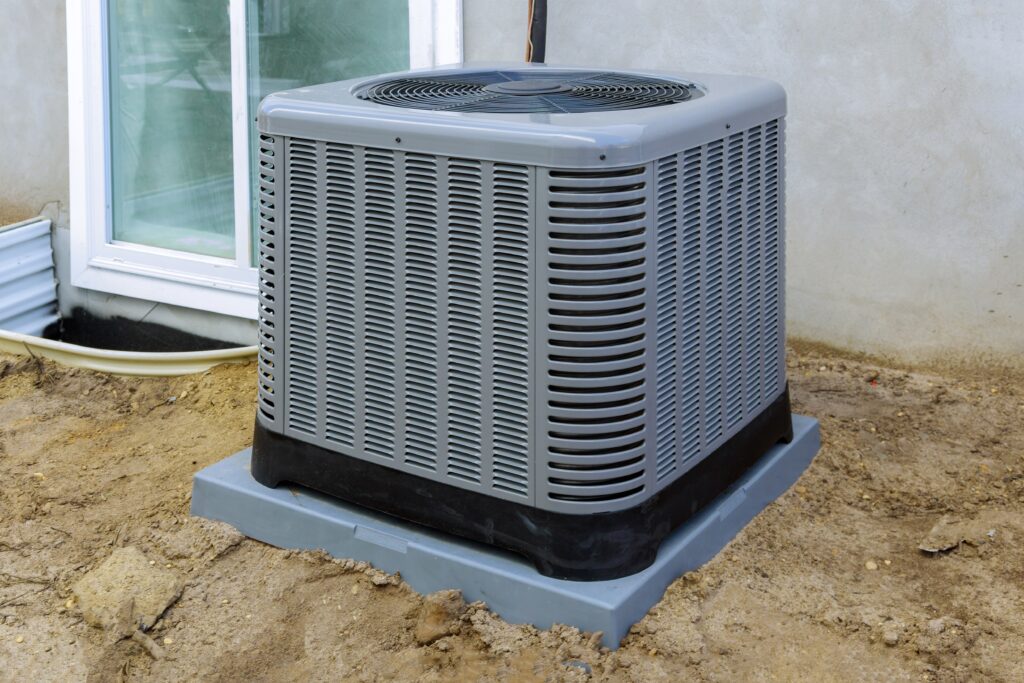
Higher Energy Bills From Your Outdoor AC Unit
Energy bills that jump without explanation are one of the clearest signs your outdoor AC unit is working too hard. A condenser running longer than it should pulls more electricity every cycle, and those extra minutes add up fast over a month. Compare your current bill to the same month last year; a sudden spike of 20 percent or more often points to an AC efficiency problem. Dirty coils, low refrigerant, and clogged air filters all force the system to run longer to hit the target temperature.
Short cycling is another cause of rising energy costs. The unit turns on, runs for a few minutes, shuts off, then restarts shortly after. This pattern burns through electricity because starting the compressor uses far more power than running it at a steady pace. Short cycling usually points to an oversized system, a failing thermostat, low refrigerant, or a frozen evaporator coil. Each start-stop cycle also wears down the compressor, shortening the lifespan of the entire system.
A condenser coated in dirt, grass clippings, or cottonwood fluff cannot release heat efficiently. The unit then runs longer to move the same amount of heat out of your home. Kansas springs bring heavy pollen, seed fluff, and lawn debris that coat outdoor units quickly. Rinsing the coils and keeping a two-foot clearance around the unit helps, but deep cleaning should be done by a professional during annual maintenance. Want to schedule a tune-up to lower your energy bills? Click here for our air conditioning service.
Poor Airflow From Your Outdoor AC Unit
When the outdoor AC unit strains, airflow inside the home often drops. Vents that blow weak, lukewarm air point to a system that cannot keep up with demand. The condenser outside and the air handler inside work as a team, and when one side struggles, the whole system suffers. A restricted condenser fan, dirty coils, or a refrigerant leak all reduce the cooling power that reaches your living space. Rooms farther from the thermostat feel the effects first.
Ice on the refrigerant lines near the outdoor unit is a common cause of poor airflow. Low refrigerant or restricted airflow across the evaporator coil causes the coil to freeze, which blocks air movement through the system. The ice then travels down the refrigerant line to the outdoor unit, where it becomes visible as frost on the copper piping. Turning the system off and letting it thaw is a short-term fix, but the root cause needs professional repair. Running a frozen system damages the compressor quickly.
Clogged air ducts and dirty filters inside the home also make the outdoor unit work harder. When air cannot move freely through the return ducts, the system runs longer to pull enough air across the evaporator coil. The outdoor condenser then runs longer cycles to match the load. Changing the filter every one to three months and scheduling duct inspections every few years keeps airflow strong. Curious about your ductwork? Click here for our air ducts service.
Why Your Outdoor AC Unit Is Working Too Hard
Understanding why the outdoor AC unit struggles helps homeowners take the right steps to fix the problem. Most causes fall into three groups: dirty or blocked parts, mechanical wear, and refrigerant issues. Each group affects the system in a different way, but all of them force the condenser to run longer and pull more power. Kansas weather, pollen, and seasonal debris add extra stress every spring. Annual maintenance catches most of these issues before they turn into emergencies. Below are the three most common reasons an outdoor AC unit works too hard.
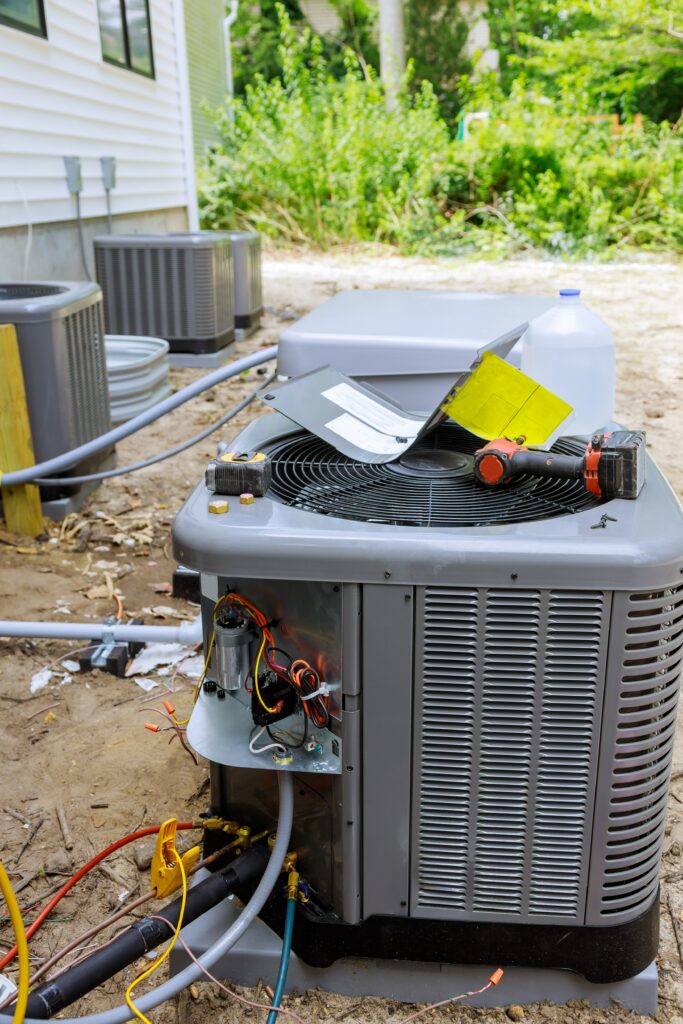
Dirty Coils Cause Your Outdoor AC Unit To Work Too Hard
The condenser coils on your outdoor unit release heat that the refrigerant carries out of your home. When these coils get coated in dirt, pollen, pet hair, or grass clippings, they cannot release heat as efficiently. The system then runs longer cycles to push the same amount of heat outside. Over time, this extra runtime raises energy bills and wears down the compressor. Spring in Kansas is especially tough on coils because of heavy pollen and cottonwood season.
Cleaning the coils is part of every professional AC tune-up. Technicians use specialized coil cleaners and low-pressure rinses that remove buildup without bending the delicate aluminum fins. Homeowners can rinse the outside of the unit with a garden hose between professional cleanings, but deep cleaning requires the panels to be removed. Bent fins reduce airflow across the coil, so any cleaning done without proper tools can cause more harm than good. A fin comb straightens bent fins and restores airflow.
Keeping the area around the condenser clear also helps. Grass, weeds, shrubs, and mulch piled too close to the unit block airflow and trap debris against the coils. A two-foot clearance on all sides is the standard recommendation. Trimming back plants every spring and checking the unit after heavy storms keeps the coils working as designed. Need a full AC tune-up before summer hits? Click here for our air conditioning service.
A Failing Capacitor Causes Your Outdoor AC Unit To Work Too Hard
The capacitor is a small cylindrical part inside the outdoor AC unit that stores the electrical charge needed to start the compressor and fan motor. When the capacitor weakens, the unit has trouble starting, runs hot, and pulls extra electricity during every cycle. A failing capacitor is one of the most common AC repairs in Kansas because summer heat accelerates the wear. The part itself is affordable, but leaving it unchecked leads to compressor damage that costs far more.
Signs of a failing capacitor include a humming sound from the outdoor unit without the fan spinning, slow start-ups, or a unit that trips the breaker. The humming happens because the motor is trying to start but does not have enough stored charge to kick on. Running the system in this state overheats the motor windings and can burn out the compressor within days. Any homeowner who hears this sound should turn off the system at the thermostat and at the breaker. A licensed electrician or HVAC technician can test the capacitor with a multimeter and replace it safely.
Heat and age are the main enemies of capacitors. Most capacitors last five to ten years, but hot Kansas summers and frequent cycling shorten that range. Annual maintenance includes testing the capacitor’s microfarad rating to catch weakness early. Replacing a weak capacitor before it fails completely prevents an emergency breakdown on the hottest day of the year. Need emergency electrical help? Click here for our emergency electrician service.
Low Refrigerant Causes Your Outdoor AC Unit To Work Too Hard
Refrigerant is the chemical that carries heat from inside your home to the outdoor unit, where it releases that heat into the air. When refrigerant levels drop, the system cannot move heat efficiently, so it runs longer to cool the home. Low refrigerant is almost always caused by a leak, because refrigerant is a sealed system and does not get used up under normal conditions. Adding more refrigerant without fixing the leak wastes money and harms the environment.
Signs of low refrigerant include ice on the outdoor unit’s copper lines, warm air from the vents, longer run times, and a hissing sound near the refrigerant piping. The compressor works harder with low refrigerant because it has to pull vapor through a partially empty system. This extra strain overheats the compressor and shortens its life. EPA rules require licensed technicians to handle refrigerant, so this is not a do-it-yourself repair. A trained tech finds the leak, repairs it, pulls a vacuum on the system, and then recharges it to the exact specification.
Older systems that use R-22 refrigerant face extra challenges because R-22 is no longer produced in the United States. The remaining supply is expensive, and recharging an R-22 system often costs more than replacing it with a modern R-410A or R-454B unit. Homeowners with units more than 12 years old should ask about replacement options when a leak is found. New systems run more efficiently and use refrigerants that are better for the environment. Want help deciding between repair and replacement? Click here for our air conditioning service.
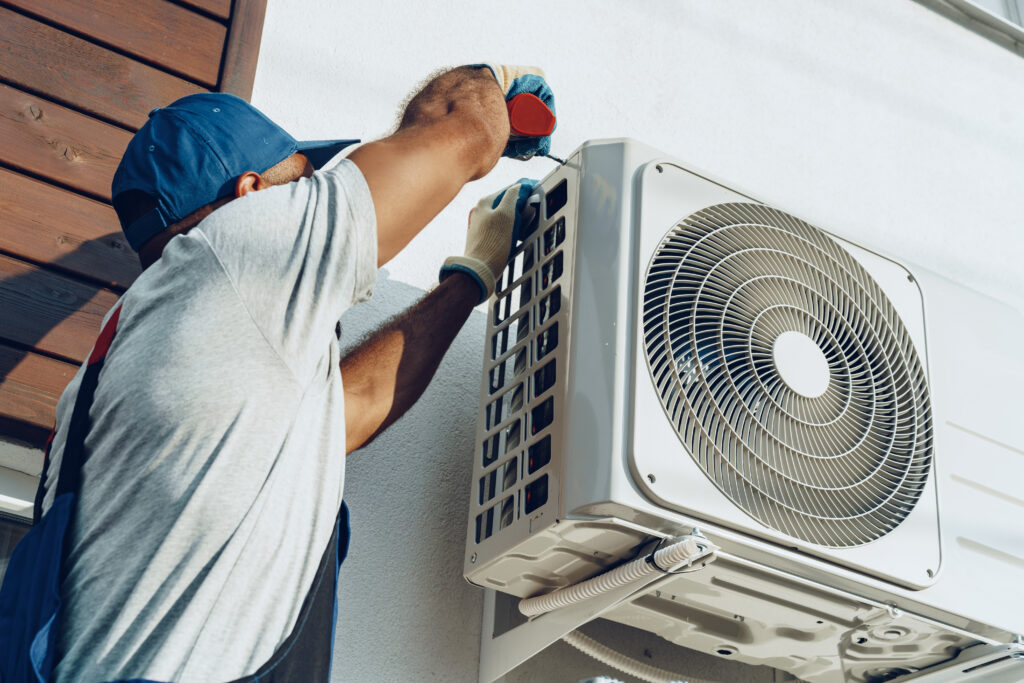
Why You Need Professional Service for Your Outdoor AC Unit
Spotting the signs is only the first step; fixing them correctly keeps your system running strong for years. A trained HVAC technician has the tools, refrigerant certifications, and experience to diagnose the real problem instead of guessing. DIY fixes on an outdoor AC unit often cause more damage because the system uses high-voltage electricity and pressurized refrigerant. Calling a professional at the first sign of trouble saves money in the long run. Regular maintenance is the single best way to prevent breakdowns and extend the life of your AC.
Fast Diagnosis for Your Outdoor AC Unit
A professional HVAC technician arrives with the tools to test every major component of your outdoor AC unit. Multimeters check capacitor microfarad ratings, refrigerant gauges read system pressure, and infrared thermometers measure temperature drop across the coils. These tests pinpoint the exact problem in minutes instead of hours of guessing. Homeowners who try to diagnose issues without these tools often replace the wrong part or miss the real cause.
Trained techs also know which parts commonly fail together. A bad capacitor often damages the fan motor, and a refrigerant leak sometimes hides behind a dirty coil. Catching these related issues during one visit saves money on follow-up service calls. At DC Electrical HVAC Plumbing, every diagnostic visit includes a full system check, not just a look at the one part that failed. Honest diagnostics with no sales pressure is part of how we operate.
Fast diagnosis also means fast repair. When a tech knows the problem within 20 minutes of arriving, the repair gets done the same day in most cases. This matters during Kansas heat waves when indoor temperatures climb quickly without working AC. Twenty-four hour emergency service is available for the worst situations, so you are never left waiting through a hot night.
Preventative Maintenance for Your Outdoor AC Unit
Preventative maintenance is the single most effective way to keep your outdoor AC unit from working too hard. An annual spring tune-up includes coil cleaning, capacitor testing, refrigerant level checks, electrical connection tightening, and fan motor inspection. Each of these steps catches small problems before they become expensive repairs. Homeowners who skip maintenance often face breakdowns during the hottest weeks of the year.
Maintenance also keeps manufacturer warranties valid. Most AC warranties require proof of annual service by a licensed technician, and missing those records can void coverage on a major part like the compressor. Keeping records of every tune-up protects your investment. A new AC system costs thousands of dollars, so the small annual cost of maintenance is well worth it.
Energy savings are another benefit of regular service. A clean, tuned AC unit uses 10 to 20 percent less electricity than a neglected one. Over the course of a Kansas summer, those savings add up quickly. Lower bills, longer system life, and fewer breakdowns make preventative maintenance a smart choice for any homeowner.
Why Choose DC Electrical HVAC Plumbing for Your Outdoor AC Unit
DC Electrical HVAC Plumbing, Inc has proudly served Lawrence, Topeka, Lecompton, and surrounding communities with honest, professional HVAC service. Our technicians are OSHA 80 Certified and EPA Certified, which means every refrigerant repair and electrical connection meets the highest safety standards. We offer free estimates on service and installation, so you know the cost before any work begins.
Financing is available for HVAC, electrical, and plumbing services, making larger repairs and full system replacements easier on the budget. Twenty-four hour emergency service is ready for the worst breakdowns, including hot summer nights when your AC quits without warning. Honest diagnostics with no sales pressure is how we earn repeat customers across eastern Kansas.
Every service call is handled by a licensed, trained technician who respects your home and your time. From a simple capacitor swap to a full system replacement, we treat every job with the same dedication to stellar service. Call DC Electrical HVAC Plumbing, Inc at (785) 596-3963 or email info@justcalldc.com to schedule your outdoor AC unit inspection today. Spring is the perfect time to get ahead of summer heat.