
Electrical Safety Tips for Kansas Homeowners
Electrical safety is one of the most important and most overlooked aspects of homeownership in Kansas. The electrical system running through your walls powers everything from your refrigerator to your HVAC equipment, and when something goes wrong with it, the consequences can range from a tripped breaker to a house fire. Kansas homeowners face specific electrical challenges tied to the region’s severe weather, aging housing stock, and the increasing demand that modern appliances and devices place on residential electrical systems. Understanding the basics of electrical safety does not require an electrician’s license; it requires attention, awareness, and knowing when to call a professional before a small problem becomes a dangerous one.
Know the Warning Signs of an Electrical Problem
Your home communicates electrical problems long before a serious failure occurs, and learning to recognize those signals is the first line of defense against electrical hazards. Flickering or dimming lights are one of the most common early indicators; occasional flickering during a large appliance startup can be normal, but persistent flickering without an obvious cause points to a loose connection, an overloaded circuit, or a problem with the service entrance. Burning smells near outlets, switches, or the electrical panel are never normal and always deserve immediate attention, even if the smell is faint or intermittent.
Outlets or switch plates that feel warm to the touch indicate that heat is being generated inside the wall, which is a sign of an overloaded circuit or a faulty connection that can ignite surrounding materials over time. Discoloration or scorch marks around outlet covers are evidence that arcing has already occurred inside the box. Circuit breakers that trip repeatedly on the same circuit are telling you the circuit is being asked to carry more current than it was designed for; resetting the breaker without investigating the cause does not solve the underlying problem and can eventually damage both the wiring and the connected appliances.
Buzzing or crackling sounds from outlets, switches, or the panel are serious warning signs that should prompt an immediate call to a licensed electrician. Electrical systems should operate silently; any audible noise from a wiring component indicates an abnormal condition such as arcing, a loose connection, or a failing device. Kansas homeowners who notice any of these warning signs should resist the urge to ignore them in the hope that the problem resolves on its own, because electrical faults do not improve without intervention.
Understand Your Electrical Panel
The electrical panel is the central hub of your home’s electrical system, and understanding how it works and what its condition tells you about the health of your electrical system is fundamental to homeowner electrical safety. The panel contains circuit breakers that protect each branch circuit in the home by tripping when current exceeds the safe limit for the wiring it serves. A healthy panel has breakers that are firmly seated, clearly labeled, and trip cleanly when overloaded rather than failing to trip or tripping at incorrect current levels.

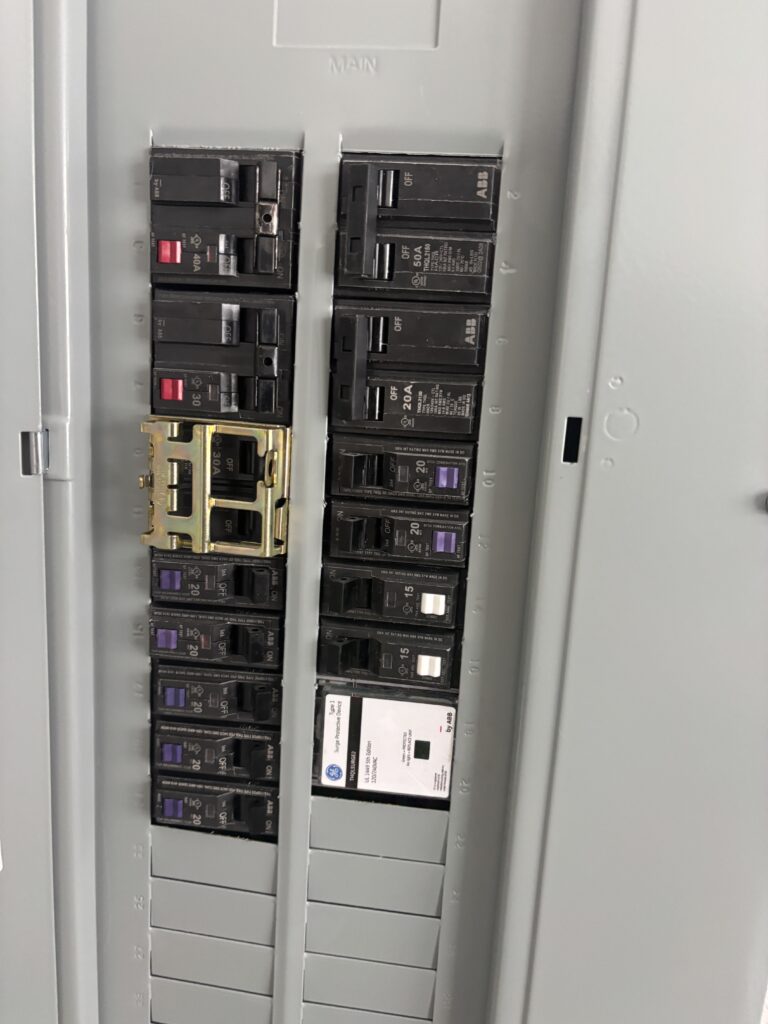
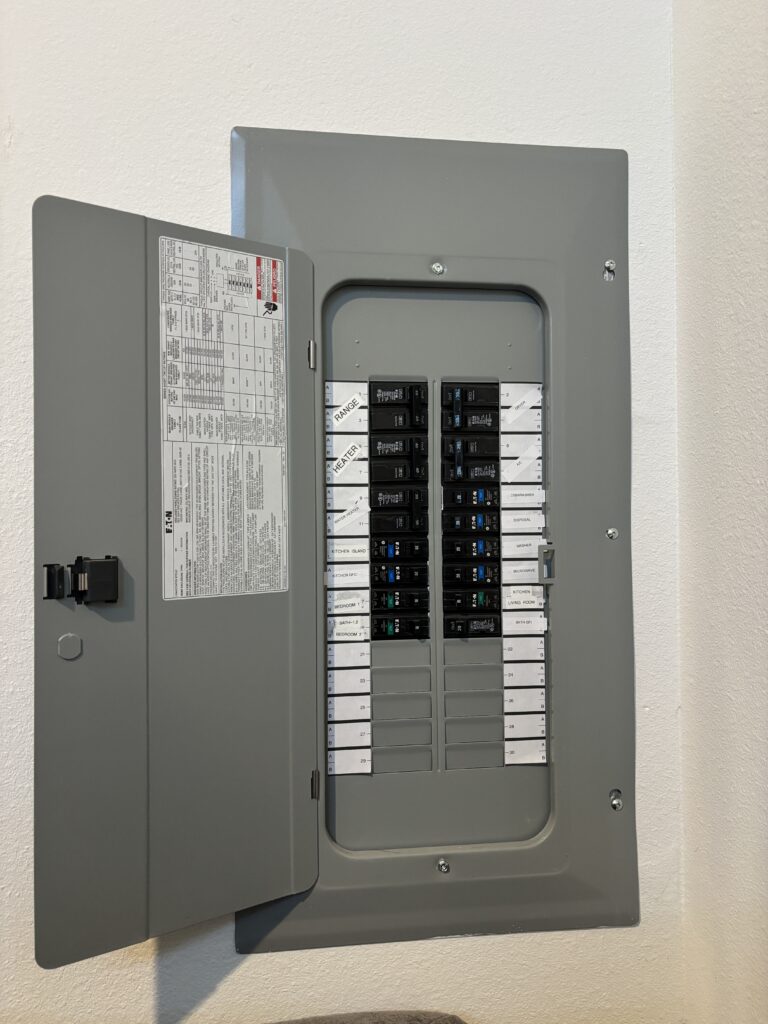
Panels older than 25 to 30 years may use outdated technology or have components that no longer operate reliably. Federal Pacific Electric and Zinsco panels, which were installed in many homes built between the 1950s and 1980s, have documented reliability problems with breakers that fail to trip during overcurrent conditions, leaving wiring and appliances unprotected. If your Kansas home has one of these panels, having it evaluated and replaced by a licensed electrician is a safety priority regardless of whether you have experienced any apparent problems.
A panel that feels warm on the exterior surface, shows signs of rust or moisture inside the cabinet, or has wiring that appears burned, melted, or improperly connected needs professional evaluation immediately. Adding circuits or increasing panel capacity should always be performed by a licensed electrician who can assess the existing service and design additions that meet current code requirements. Homeowners who find themselves running extension cords habitually or resetting tripped breakers frequently are experiencing the effects of an undersized or aging electrical system that deserves a professional assessment.
Practice Safe Outlet and Extension Cord Habits
Outlets and extension cords are the most frequently misused electrical components in the average Kansas home, and the habits formed around their use have a direct impact on household electrical safety. Overloading an outlet by plugging in a power strip and then plugging multiple high-draw appliances into that strip concentrates more current through a single outlet and circuit than the wiring was designed to handle. The wiring inside the wall does not fail immediately when overloaded; it heats up gradually, and repeated or sustained overloading degrades the insulation on the wire over time, eventually creating a fire risk that exists inside the wall where it cannot be seen.
Extension cords are intended for temporary use, not as permanent wiring solutions. A home that relies on extension cords to power regularly used appliances or devices has an outlet deficiency that should be addressed by adding circuits and outlets rather than by adding more cords. Extension cords run under rugs or carpets trap heat and are subject to physical damage from foot traffic, both of which accelerate insulation degradation and create fire hazards. Cords with damaged insulation, bent prongs, or loose connections at the plug or device end should be discarded rather than taped and reused.
GFCI outlets are a critical safety technology in areas where water and electricity could come into contact. Ground fault circuit interrupters detect the tiny current imbalances that occur when electricity finds a path through a person to ground and cut power within milliseconds, before the shock can cause serious harm. Kansas building codes require GFCI protection in bathrooms, kitchens, garages, unfinished basements, outdoor outlet locations, and near pools and hot tubs. Older homes may not have GFCI protection in all required locations; having a licensed electrician install GFCI outlets or GFCI circuit breakers in these areas is an inexpensive upgrade that provides meaningful protection for every member of the household.
Prepare for Kansas Weather and Power Surges
Kansas weather creates electrical hazards that go beyond what homeowners in milder climates face. The state experiences some of the most frequent and intense thunderstorm activity in the country, with lightning strikes that can introduce tens of thousands of volts into a home’s electrical system in a fraction of a second. Standard plug-in surge protectors provide a useful first layer of defense for individual devices, but they have a limited capacity for the energy levels associated with lightning-induced surges and will sacrifice themselves to protect the connected equipment, sometimes without any visible indication that they have done so.
Whole-house surge protection installed at the electrical panel provides a much more comprehensive level of protection by intercepting voltage spikes before they travel through the home’s branch circuits to connected devices. A whole-house surge protector does not eliminate the need for point-of-use protection on sensitive electronics, but it dramatically reduces the magnitude of any surge that reaches the branch circuits, extending the life of plug-in surge protectors and giving the connected equipment a much better chance of surviving a nearby lightning event. Given Kansas’s storm frequency, whole-house surge protection is one of the most practical electrical safety investments available to homeowners in the region.
Ice storms and high winds that damage overhead power lines create additional electrical hazards specific to Kansas winters. A downed power line is always energized until the utility confirms it has been de-energized; never approach a downed line, and contact the utility immediately if one comes down on or near your property. Flooding from heavy rain or overland flow that reaches electrical panels, outlets, or wiring in basements and crawl spaces creates electrocution and fire hazards that require a licensed electrician to evaluate before power is restored to the affected areas. Turning off the main breaker before floodwater reaches the panel is the correct precautionary action when flooding is imminent and time allows.
Generator Safety for Kansas Homeowners
Portable generators are popular in Kansas because of the frequency of storm-related power outages, and they save food, maintain comfort, and power medical equipment during extended outages. They also kill people every year through carbon monoxide poisoning when operated incorrectly. A portable generator must never be operated inside a garage, basement, shed, or any enclosed or partially enclosed space; carbon monoxide from the exhaust is odorless and colorless, and it accumulates to lethal concentrations within minutes in confined spaces. The generator must be positioned outdoors, well away from windows, doors, and any opening that could allow exhaust gases to enter the home.
Connecting a portable generator to the home’s wiring through a regular outlet, a practice known as backfeeding, is extremely dangerous and illegal. Backfeeding energizes the utility lines connected to your home, creating a lethal hazard for utility workers attempting to restore power during an outage. The correct method for connecting a portable generator to home circuits is through a properly installed transfer switch that isolates the home from the utility grid before the generator is connected. A licensed electrician can install a manual or automatic transfer switch that allows safe generator use without any risk of backfeeding the utility system.
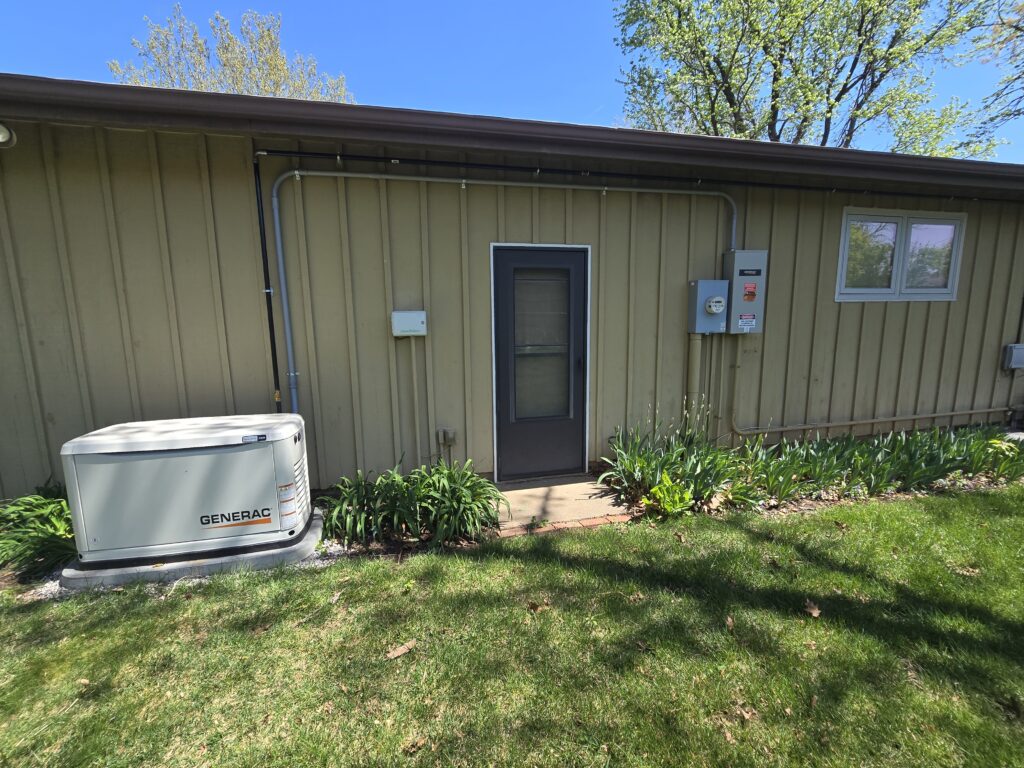
Standby generators that are permanently installed and connected to the home’s electrical system through an automatic transfer switch are a safer and more convenient alternative to portable units for homeowners who experience frequent outages. Standby generators activate automatically within seconds of a power interruption and restore power without any manual intervention. Installation of a standby generator involves gas line connections, electrical panel work, and transfer switch installation that must be performed by licensed contractors to ensure safe, code-compliant operation.
Hire Licensed Electricians for All Electrical Work
The temptation to handle electrical work as a DIY project is understandable given the cost of professional electrical service, but the risks of amateur electrical work extend far beyond the immediate job. Incorrectly performed electrical work can create concealed hazards inside walls and ceilings that are not detectable by visual inspection and may not cause a problem for months or years, at which point the connection to the original work is not obvious. In Kansas, electrical work in residences must meet the National Electrical Code as adopted and amended by state and local authorities; work performed without permits and inspections is not verified for code compliance and can create complications when the home is sold or when an insurance claim is filed after a fire or other electrical incident.
Licensed electricians carry the training, tools, and insurance that protect both the homeowner and the technician during electrical work. An electrician who has gone through the required apprenticeship and passed the licensing examination has a comprehensive understanding of electrical theory, code requirements, and safe work practices that YouTube tutorials and home improvement forums simply cannot replicate. The permit and inspection process for electrical work provides an independent verification that the installation meets safety standards, which is a layer of protection that unpermitted DIY work does not provide.
DC Electrical HVAC Plumbing serves Lawrence, KS and the surrounding region with licensed electrical service for residential and commercial customers. Our team handles everything from simple outlet installations to full panel replacements and whole-house surge protection, with the same commitment to code-compliant, professionally executed work on every project. Honest diagnostics and free estimates on installation and service work give Kansas homeowners the information they need to make confident decisions about their electrical safety.
Electrical safety in a Kansas home is not a one-time project; it is an ongoing practice of awareness, maintenance, and informed decision-making about when professional help is needed. Recognizing the warning signs of electrical problems, understanding the condition and capacity of your electrical panel, practicing safe habits with outlets and extension cords, preparing for the specific electrical hazards that Kansas weather creates, and using generators correctly are all practical measures that reduce risk without requiring specialized knowledge. The single most important electrical safety habit any Kansas homeowner can develop is knowing when to call a licensed electrician rather than attempting to diagnose or repair electrical problems without the proper training and tools. The cost of professional electrical service is always less than the cost of the damage, injury, or loss that an unaddressed or improperly repaired electrical hazard can cause. DC Electrical HVAC Plumbing is available to Kansas homeowners throughout the Lawrence area for electrical inspections, repairs, upgrades, and emergency service at any hour.