

The Best Thermostat Settings for Saving Energy in Summer
Summer in Kansas brings hot, humid days that push your air conditioner to work harder than at any other time of year. The thermostat is the single most important tool you have for controlling cooling costs during these months. Setting it correctly can lower your energy bill by 10 percent or more without sacrificing comfort. Most homeowners do not realize how much a few degrees can change their monthly utility costs. Smart thermostat settings also reduce wear on your air conditioning system, which extends its lifespan. The right approach balances comfort, efficiency, and long-term savings. This guide walks through the best thermostat settings for summer, why those numbers matter, and how to use programmable features to your advantage.
The Best Summer Thermostat Settings for Lower Energy Bills
The U.S. Department of Energy recommends setting your thermostat to 78 degrees Fahrenheit when you are home and awake during summer. This temperature keeps your home cool enough for comfort while reducing the strain on your cooling system. When you leave the house, raising the setting by 7 to 10 degrees can cut cooling costs significantly. Each degree higher saves roughly 3 percent on your cooling bill over time. Pairing the right thermostat settings with ceiling fans, closed blinds, and proper insulation multiplies the savings. Small adjustments add up across a long Kansas summer.
The Best Thermostat Setting When You Are Home in Summer
Setting your thermostat to 78 degrees while you are home is the sweet spot for most households. This setting keeps indoor air cool enough to feel comfortable, especially when paired with ceiling fans circulating the air. Fans create a wind chill effect on your skin, making the room feel about 4 degrees cooler than the actual temperature. That means you can comfortably set your thermostat higher without noticing a difference. Lower settings, like 72 degrees, force your air conditioner to run almost constantly during peak Kansas heat. Constant running drives up energy costs and shortens the life of your cooling equipment.
Humidity also plays a major role in how warm or cool your home feels. Kansas summers carry high humidity, which makes lower temperatures feel sticky rather than refreshing. A properly working air conditioner removes moisture as it cools, so 78 degrees with low humidity often feels better than 74 degrees with high humidity. If your home feels muggy at 78 degrees, your system may need maintenance or a dehumidifier upgrade. Clean filters, sealed ductwork, and proper refrigerant levels all help your system pull moisture from the air. A well-maintained system makes higher thermostat settings feel just as comfortable as lower ones.
Ceiling fans, window coverings, and door seals support your thermostat by keeping cool air inside. Close blinds and curtains during the hottest part of the day to block solar heat gain through windows. Run ceiling fans counterclockwise in summer to push cool air down into the room. Seal gaps around doors and windows with weatherstripping to prevent cool air from leaking out. These small steps reduce the load on your air conditioner and let you keep your thermostat at the recommended 78 degrees. Need air conditioning service or a tune-up? Click here for our air conditioning service.
The Best Thermostat Setting When You Are Away in Summer
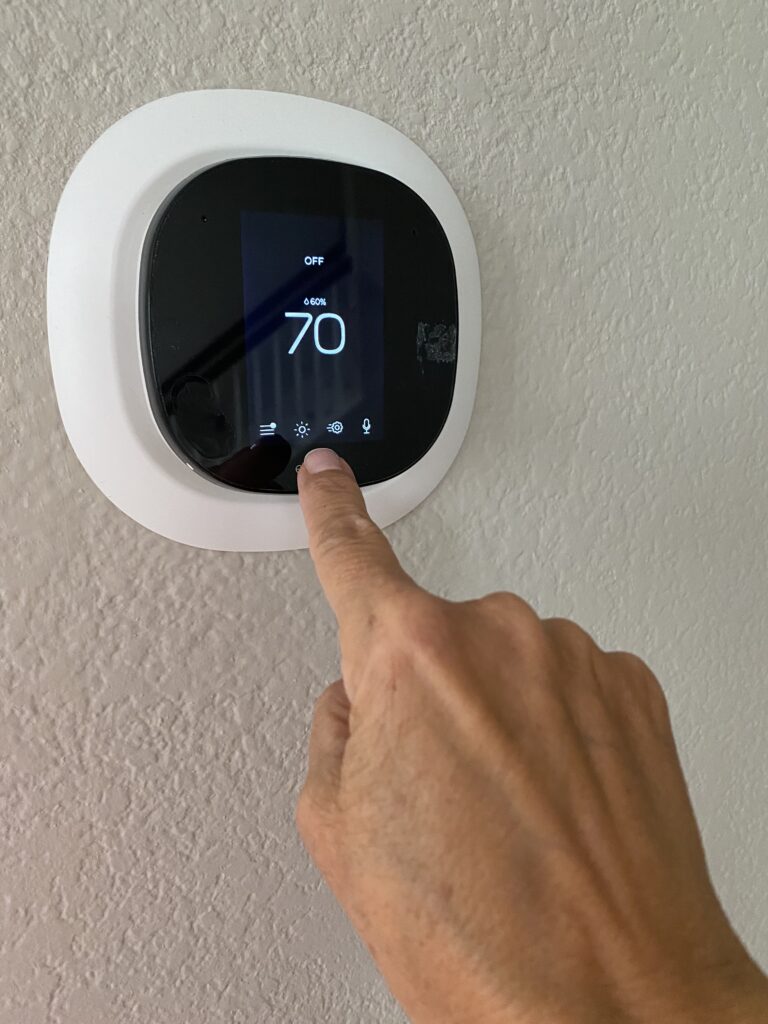
Raising your thermostat 7 to 10 degrees while you are away from home is one of the easiest ways to save on summer energy bills. A setting of 85 to 88 degrees during work hours or vacations cuts cooling costs without putting your home at risk. Your air conditioner does not need to maintain a cool temperature in an empty house. The system only has to bring the temperature back down when you return. This approach works best when paired with a programmable or smart thermostat that adjusts automatically.
Many homeowners worry that letting the house warm up will make the air conditioner work harder when it cools back down. Studies from the Department of Energy show this is not the case. The energy saved during the warmer hours is greater than the energy used to cool the home back down. The longer the system stays off, the more you save. Even short absences of a few hours benefit from a higher setting. Smart thermostats use geofencing to detect when you leave and adjust the temperature automatically.
Pets, plants, and electronics may need consideration when raising the temperature too high. Most pets tolerate temperatures up to 85 degrees without issue, though specific breeds and older animals may need cooler settings. Houseplants generally do fine in warmer indoor temperatures during the day. Sensitive electronics like computers and televisions function normally in the 80s. If you have concerns about specific items in your home, set the away temperature slightly lower, such as 82 degrees. Even a smaller increase still produces meaningful savings over the course of a Kansas summer.
The Best Thermostat Setting While Sleeping in Summer
Sleeping temperatures are personal, but most experts recommend setting your thermostat between 75 and 78 degrees at night. The body naturally cools down during sleep, so a slightly warmer indoor temperature does not affect rest quality for most people. Cooler bedrooms feel pleasant, but they come at the cost of higher energy bills. Setting the thermostat to 76 degrees at night still provides comfortable sleep while reducing overnight cooling runtime. Bedding, pajamas, and a ceiling fan can adjust your personal comfort without changing the thermostat.
Outdoor temperatures drop overnight in Kansas, which gives your air conditioner natural relief. Your system does not have to fight against 95-degree heat during the cooler hours of the night. This means a 76-degree setting overnight requires far less energy than the same setting at 3 p.m. Programmable thermostats can take advantage of this by gradually raising the temperature as bedtime approaches. The system uses less energy while you sleep and still keeps the room comfortable. Smart thermostats can also learn your sleep patterns and adjust automatically.
Ceiling fans are especially useful for nighttime comfort. A bedroom ceiling fan creates airflow that feels cooler without lowering the thermostat. Run the fan only when you are in the room, since fans cool people, not spaces. Turn it off when you leave to avoid wasting electricity. Combining a 76-degree thermostat setting with a ceiling fan often feels just as comfortable as a 72-degree setting without the fan. The energy savings overnight can be substantial across a full Kansas summer.
How Programmable and Smart Thermostats Save More Energy
Programmable and smart thermostats take the guesswork out of summer energy savings. These devices automatically adjust the temperature based on schedules, occupancy, and outdoor weather. Manual thermostats rely on you remembering to change settings before leaving the house or going to bed. Smart thermostats handle the work for you, often saving an additional 10 to 15 percent on cooling costs. They also provide energy reports that show how your habits affect your bill. Upgrading from a basic thermostat is one of the most cost-effective ways to lower summer utility costs.
How Programmable Thermostats Improve Summer Energy Savings
Programmable thermostats let you set different temperatures for different times of the day. A typical summer schedule might keep the home at 78 degrees during morning hours, raise it to 85 degrees while you are at work, lower it back to 78 degrees when you return, and then adjust to 76 degrees at night. The system follows the schedule automatically without any input from you. This consistency is where the savings come from. Manual adjustments often get forgotten or ignored, especially during busy mornings.
Most programmable thermostats offer 7-day, 5-1-1, or 5-2 scheduling options. A 7-day schedule allows a unique setting for every day of the week, which works well for homes with varied routines. The 5-1-1 schedule sets weekdays the same, with separate settings for Saturday and Sunday. The 5-2 option treats all weekdays the same and all weekend days the same. Choose the option that matches your household routine for the best results. Setting up the schedule once delivers savings every day for years.
Programmable thermostats are far less expensive than smart thermostats and still deliver real savings. Many models cost less than $50 and can be installed in under an hour. They work with most existing wiring and do not require Wi-Fi or smartphone apps. For homeowners who want simple, reliable savings without extra technology, a programmable thermostat is an excellent choice. The energy savings typically pay back the cost of the thermostat within the first summer. Want to upgrade your thermostat? Click here for our thermostat installation service.
How Smart Thermostats Improve Summer Energy Savings
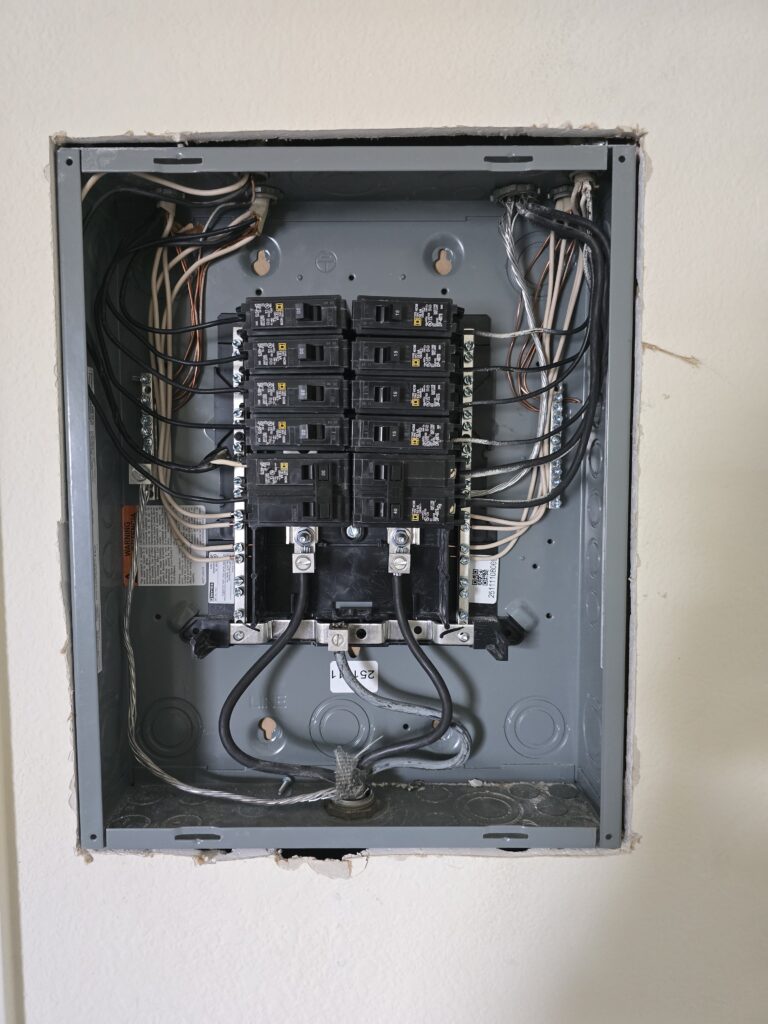
Smart thermostats go beyond basic scheduling by learning your habits and adjusting automatically. Models from brands like Nest, Ecobee, and Honeywell use sensors, Wi-Fi, and machine learning to optimize cooling. They detect when you leave the house using geofencing through your smartphone. When the home is empty, the thermostat raises the temperature automatically. When you return, it cools the home back down before you arrive. This level of automation maximizes energy savings without any effort on your part.
Smart thermostats also respond to outdoor weather conditions. They pull local weather data and adjust cooling cycles based on humidity, sunshine, and temperature forecasts. On milder days, the system runs less. On hotter days, it pre-cools the home during cheaper utility hours when available. Many smart thermostats integrate with utility company demand response programs, earning rebates for reducing usage during peak hours. These features add up to significant savings beyond what a programmable thermostat can deliver.
Remote control through a smartphone app is another major advantage of smart thermostats. You can adjust the temperature from anywhere, which is useful when plans change or you forget to set the system before leaving. Energy reports show daily and monthly usage patterns, helping you spot wasteful habits. Some models even alert you when your air conditioner is running inefficiently, which can prevent costly repairs. The combination of automation, learning, and remote access makes smart thermostats one of the best energy investments for homeowners.
How Proper Thermostat Placement Improves Summer Energy Savings
Thermostat placement directly affects how accurately the device reads your home’s temperature. A thermostat installed in direct sunlight reads higher than the actual room temperature, causing the air conditioner to run longer than necessary. Placement near kitchens, bathrooms, or laundry rooms also produces false readings due to heat from appliances. The best location is on an interior wall in a central, frequently used room, away from windows, vents, and heat sources. Proper placement allows the thermostat to read accurate temperatures and run the system efficiently.
Drafty locations cause similar problems in reverse. A thermostat near an exterior door or leaky window reads cooler air than the rest of the home. The system shuts off too early, leaving other rooms warmer than the setting indicates. This is a common issue in older homes with original thermostat locations from decades ago. Moving the thermostat to a better location can dramatically improve comfort and lower energy costs. A licensed electrician or HVAC technician can relocate the thermostat safely.
Multi-zone homes benefit from thermostats placed in each zone. Single-thermostat homes only read one room’s temperature, which often does not represent the whole house. Two-story homes especially struggle with single thermostats, since heat rises and the upstairs runs warmer than downstairs. Smart thermostats with remote sensors solve this by reading temperatures in multiple rooms and averaging them. This approach delivers more even cooling and better energy efficiency throughout the home.
Why You Need Professional Thermostat Service Before Summer
Professional thermostat installation, calibration, and repair ensure your system runs at peak efficiency all summer. A thermostat that reads incorrectly, fails to communicate with the air conditioner, or lacks modern features wastes energy every day. The best thermostat settings only work if the device itself functions properly. Annual checkups before the summer heat arrives catch problems early and prevent breakdowns during the hottest weeks of the year. Trusting a licensed professional with thermostat work protects your investment and your comfort.
Why Professional Thermostat Installation Saves You Money
A licensed technician installs your thermostat correctly the first time, avoiding wiring mistakes that damage equipment. Modern thermostats have specific wiring requirements, and a wrong connection can short-circuit the device or the air conditioner control board. Professional installation also ensures the thermostat is mounted in the best location for accurate temperature readings. DIY installations often place the thermostat wherever the old one was, even if that location is poor. A technician evaluates your home and recommends the ideal spot.
Compatibility between the thermostat and your HVAC system matters more than most homeowners realize. Some thermostats do not work with heat pumps, multi-stage systems, or older equipment. A professional verifies compatibility before installation and recommends a model that matches your system. This prevents wasted purchases and ensures every feature works as intended. The right thermostat paired with the right system delivers maximum efficiency and comfort.
Professional installation also includes calibration and testing. The technician confirms the thermostat reads the correct temperature, communicates properly with the air conditioner, and runs through every mode. They program initial settings based on your schedule and preferences, so the system starts saving energy immediately. This level of service is included with most installations and saves you hours of trial and error.
Why Professional Thermostat Calibration Saves You Money
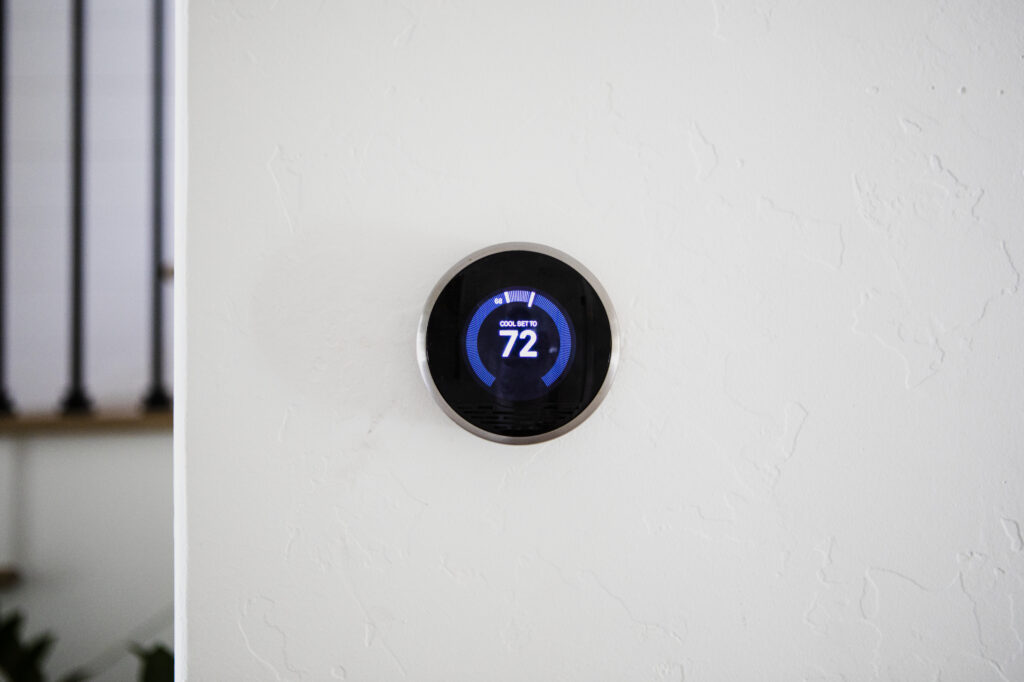
Thermostat calibration ensures the displayed temperature matches the actual room temperature. Over time, sensors drift and start reading a few degrees off, which causes the air conditioner to run too long or shut off too early. A miscalibrated thermostat can add 5 to 10 percent to your cooling bill without you noticing. Professional calibration uses accurate measurement tools to verify the reading and adjust the sensor as needed. This service is quick, affordable, and pays for itself in energy savings.
Older thermostats with mercury switches or analog dials are more prone to calibration issues. These models age out of accuracy and often need replacement rather than repair. A technician can advise on whether calibration or replacement is the better choice. Newer digital and smart thermostats rarely need calibration, but they can develop sensor problems after years of use. Annual checkups catch these issues before they affect your energy bills.
Calibration also includes verifying that the thermostat communicates properly with the air conditioner. Loose wiring, corroded contacts, or worn relays can cause delayed response or missed signals. A technician inspects all connections and tests the system through a full cooling cycle. This thorough check ensures your thermostat settings translate into actual cooling performance. The result is consistent comfort and predictable energy bills.
Why Choose DC Electrical HVAC Plumbing for Thermostat Service
DC Electrical HVAC Plumbing has served Lawrence, Kansas and surrounding communities with honest, professional service for years. Our licensed technicians install, calibrate, and repair thermostats of every brand and style. We work with traditional, programmable, and smart models, matching the right device to your home and HVAC system. Free estimates on installation make it easy to plan your upgrade without surprises. Financing options help spread the cost of larger projects across manageable payments.
Our team is OSHA 80 Certified and EPA Certified, which means we meet the highest safety and environmental standards in the industry. Honest diagnostics with no sales pressure are part of every service call. We tell you what your system needs and what it does not, so you only pay for work that benefits your home. 24/7 emergency service is available when thermostat or air conditioning problems hit during the worst Kansas heat. We treat every customer like a neighbor because most of them are.
Choosing DC Electrical HVAC Plumbing means choosing a company dedicated to stellar service every time. From the first phone call to the final walkthrough, our goal is your comfort and satisfaction. We back our work with reliable craftsmanship and transparent pricing. Call (785) 596-3963 or email info@justcalldc.com to schedule thermostat service before summer heats up. Click here for our thermostat installation and repair service to learn more.